Sustainability has become a standing item on the procurement checklist for hotels, resorts, and commercial developments. As hospitality groups publish ESG targets and guests increasingly ask about sourcing, "eco-friendly" outdoor furniture searches — including recycled plastic outdoor furniture — have grown steadily. But for procurement managers, resort owners, and furniture distributors, the real question isn't whether recycled materials sound good on paper. It's whether they perform under commercial conditions, hold up across project timelines, and deliver the same long-term ROI as proven materials. This guide breaks down what recycled plastic outdoor furniture actually is, where it performs well, where it falls short for large-scale hospitality and commercial outdoor furniture projects, and what to look for before you commit a purchase order.
What Is Recycled Plastic Outdoor Furniture Made From?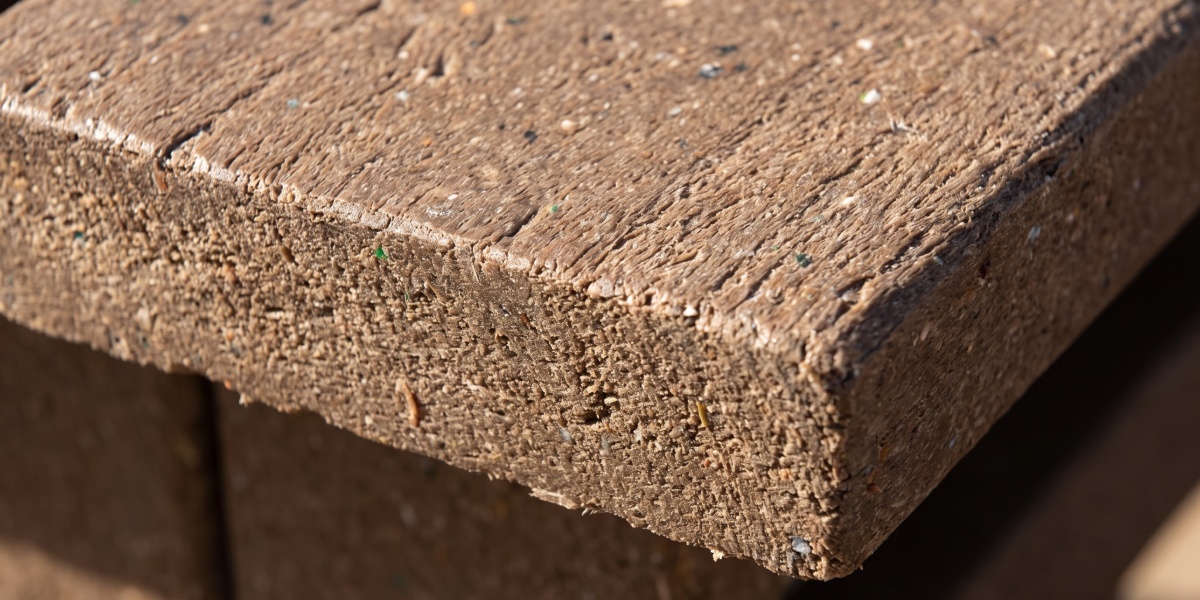
Recycled plastic outdoor furniture is typically manufactured from post-consumer or post-industrial plastic waste — most commonly reprocessed HDPE (high-density polyethylene), and occasionally blends that include recycled PP or PET. The waste stream is collected, sorted, cleaned, melted down, and re-extruded or re-molded into furniture-grade lumber, panels, or components. Some products use 100% recycled content, while others blend recycled material with virgin resin to improve consistency and structural performance.
It's worth distinguishing this from standard
HDPE outdoor furniture, which is molded from resin that may or may not include recycled content, and from
poly outdoor furniture more broadly, which refers to the wider category of polyethylene-based outdoor furniture used across hospitality outdoor furniture and residential markets. "Recycled plastic" describes the feedstock; "HDPE" and "poly" describe the material family. A product can be both, one, or neither.
Durability & Weather Resistance of Recycled Plastic
For commercial outdoor furniture buyers, durability is usually the deciding factor, ahead of aesthetics or price. Recycled plastic furniture, when well-manufactured, shares many of the base advantages of standard poly furniture: it doesn't rot, splinter, or absorb moisture, and it resists most staining and pest damage.
However, recycled feedstock introduces variability that virgin resin does not. Depending on the source and processing quality, recycled plastic can show:
Inconsistent density and wall thickness across production batches
Wider tolerance in UV stabilizer content, affecting long-term color retention
Greater risk of micro-impurities that create weak points under sustained load or impact
More variation in performance across suppliers, since "recycled" covers a wide quality range
This doesn't mean recycled plastic furniture is unsuitable for outdoor use. It means the performance ceiling and the performance floor are farther apart than with tightly controlled virgin HDPE, which matters enormously when a hotel or resort is ordering hundreds of units that need to look and perform identically for years, not just in a showroom sample.
Environmental Trade-Offs: Recycled Content vs Virgin HDPE
The sustainability case for recycled plastic is straightforward: it diverts waste from landfills and reduces demand for new petroleum-based resin. That's a genuine benefit, and it's why the category continues to gain attention across hospitality outdoor furniture and resort furniture procurement.
The trade-off is consistency. Virgin HDPE, manufactured to a controlled resin specification, gives furniture producers tighter control over wall thickness, UV resistance, and structural strength — which translates into more predictable performance across a large commercial order, and typically stronger warranty coverage. Recycled content can approach that same performance level, but only when the supplier maintains rigorous sorting, testing, and quality control on the input material, which not every manufacturer does consistently.
For a single villa or small residential project, this variability may be a manageable risk. For a resort ordering pool-deck seating for 200 rooms, or a distributor stocking product across multiple markets, batch-to-batch inconsistency can turn into a costly liability, both in field failures and in guest-facing appearance issues.
What to Ask a Supplier About Recycled-Content Claims
"Eco-friendly" and "recycled" are used loosely across the outdoor furniture industry, and not every claim is backed by verifiable sourcing. Before including recycled plastic products in a project specification, procurement teams should ask suppliers direct questions:
What percentage of the material is actually recycled content, and is that documented?
Is the recycled content post-consumer, post-industrial, or a mix?
What third-party certification, if any, verifies the recycled-content claim?
What UV stabilizer package is used, and what fade warranty is offered?
Can the supplier provide batch consistency data or third-party lab test reports?
What is the structural warranty, and does it explicitly cover recycled-content products?
A credible supplier will answer these without hesitation and provide documentation. Vague answers, or claims that can't be traced to a specific recycling process, are a signal to look closer before committing to a large order.
Checklist: What to Evaluate Before Ordering Commercial Outdoor Furniture
Verified material specification and recycled-content percentage (if applicable)
UV stabilizer type and documented fade/color warranty
Load testing and structural warranty terms
Batch consistency and quality control documentation
Supplier's project timeline, MOQ, and lead time reliability
Customization and OEM outdoor furniture capability for branded projects
References from prior hotel, resort, or commercial outdoor furniture projects
Total cost of ownership, including maintenance and expected service life
This checklist applies whether you're evaluating recycled plastic patio furniture, standard HDPE, or any other material category being considered for a hospitality or commercial outdoor furniture project.
Comparison: Recycled Plastic vs Virgin HDPE vs Teak/Aluminum Hybrid
| Factor | Recycled Plastic | Virgin HDPE | Teak / Aluminum Hybrid |
| Material consistency | Variable, supplier-dependent | High, tightly controlled | High, but wood grain varies naturally |
| Weather resistance | Good, if well-manufactured | Excellent | Excellent (with proper finishing) |
| UV/color stability | Variable | Consistent with quality resin | Requires periodic maintenance (teak) |
| Best fit for large commercial orders | Case-by-case, verify supplier | Strong fit | Strong fit, higher price point |
| Environmental profile | Diverts plastic waste | Standard virgin resin | Renewable wood + recyclable aluminum |
| Typical warranty depth | Varies widely | Generally stronger, standardized | Generally stronger, standardized |
Kingmake's HDPE & Poly Alternatives
Kingmake Outdoor Furniture does not currently position recycled-content plastic as a core product line. Our manufacturing focus is on virgin-grade HDPE and poly outdoor furniture, aluminum-framed collections, and teak wood pieces, selected specifically for the batch consistency, UV performance, and warranty reliability that hotel procurement managers, resort owners, and furniture distributors need for large-scale, multi-unit commercial orders.
For buyers evaluating plastic-based outdoor furniture for hospitality outdoor furniture, resort furniture, or restaurant outdoor furniture projects, our HDPE outdoor furniture collection and broader poly outdoor furniture range offer the consistency and documented performance that recycled-content products can struggle to guarantee at scale. Both lines are available with OEM outdoor furniture and custom outdoor furniture programs, supporting branded specifications, private-label production, and wholesale outdoor furniture distribution.
Conclusion
Recycled plastic outdoor furniture offers a genuine sustainability benefit, but it comes with performance variability that matters most at commercial scale. For a single small project, that trade-off may be acceptable. For hotels, resorts, and distributors ordering across hundreds of units and multiple years of outdoor exposure, consistency, documented UV performance, and warranty strength typically matter more than recycled-content percentage alone. Before specifying recycled plastic patio furniture for a hospitality or commercial project, verify supplier claims, request test data, and compare total cost of ownership against proven alternatives.
Kingmake Outdoor, with more than 18 years of experience supplying hospitality and commercial outdoor furniture worldwide, focuses on virgin-grade HDPE, poly, aluminum, and teak solutions built for the consistency and durability that large-scale projects require. For procurement teams evaluating material options, our team can walk through specifications, lead times, and OEM/ODM customization for your next project.
FAQ
Is recycled plastic outdoor furniture as durable as HDPE?
It can be, but durability depends heavily on the supplier's sourcing and quality control. Virgin HDPE offers more consistent wall thickness, UV resistance, and structural strength across large orders, while recycled plastic performance varies by manufacturer.
How do I verify a supplier's recycled-content claims?
Ask for the documented recycled-content percentage, the source of the material (post-consumer or post-industrial), any third-party certification, and batch consistency or lab test reports. Vague or undocumented claims are a red flag.
Is recycled plastic furniture more expensive than standard HDPE?
Pricing varies by supplier and recycled-content quality. High-quality, well-tested recycled plastic can cost similarly to or more than standard HDPE, since sourcing and processing consistent recycled feedstock adds cost.
Does recycled plastic outdoor furniture fade in the sun?
Fading risk depends on the UV stabilizer package used, not just whether the material is recycled. Ask suppliers for documented fade warranties and test data regardless of material source.
Can recycled plastic furniture be used for large hotel or resort orders?
It can, but buyers should prioritize suppliers with proven batch consistency and quality documentation. For large-scale hospitality projects, many procurement teams choose virgin-grade HDPE or poly furniture for more predictable performance across every unit.
What's the difference between recycled plastic and poly outdoor furniture?
"Poly" refers to the broader category of polyethylene-based outdoor furniture, which may use virgin or recycled resin. "Recycled plastic" specifically describes furniture made from reprocessed plastic waste, which is one subset within the poly furniture category.

 Whatsapp
 sales@cnkingmake.com
 +8613925925021