
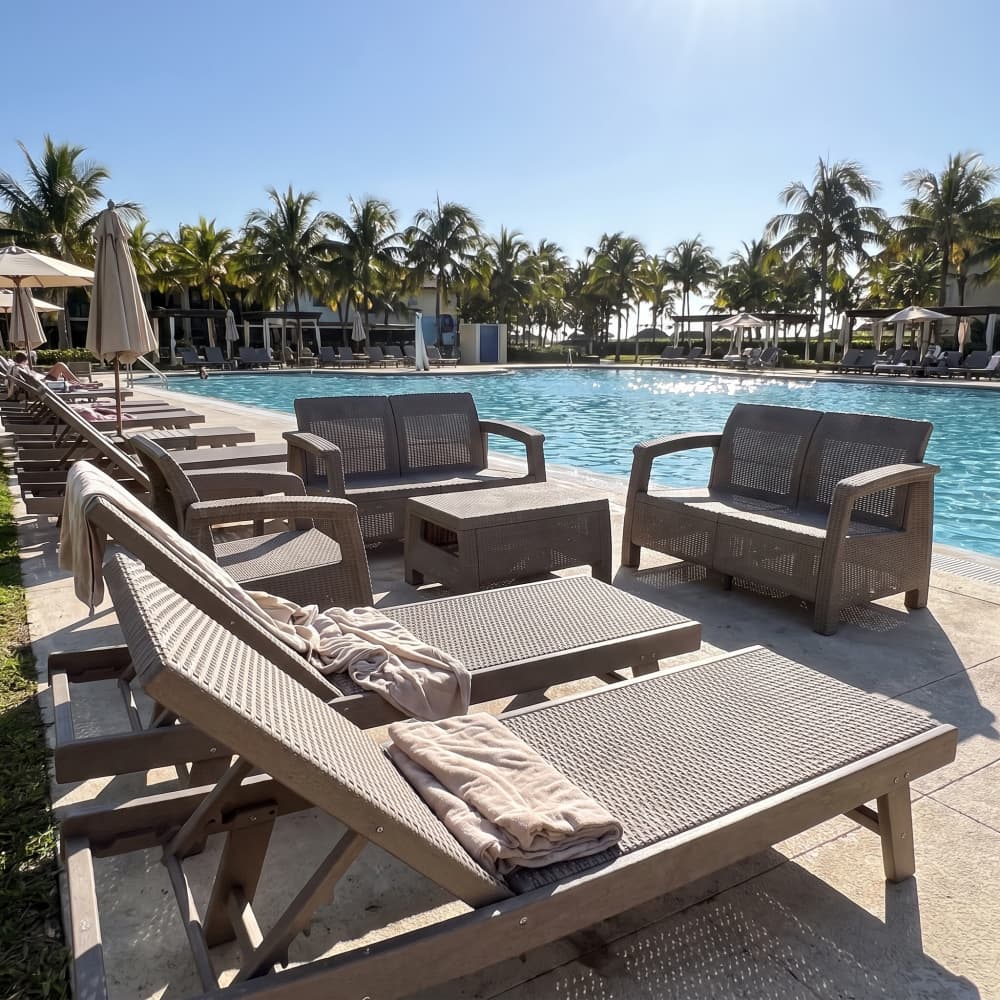
HDPE Outdoor Furniture Manufacturer | UV-Stable, Weatherproof, Commercial-Grade
Hospitality outdoor spaces are under more pressure than ever to look premium while surviving heavy daily use, sun exposure, and unpredictable weather. Hotels, resorts, and restaurant groups are shifting toward synthetic materials that hold their color and shape without the upkeep of natural wood or the fatigue of low-grade plastic. This is why hdpe outdoor furniture has become a standard specification in procurement documents across the hospitality sector. For buyers managing multi-property rollouts or tight renovation timelines, understanding what HDPE actually offers — and how to source it reliably — is now a practical necessity, not a design preference.
What Is HDPE and Why It's Used in Outdoor Furniture
High-density polyethylene (HDPE) is a synthetic resin known for its strength-to-weight ratio, chemical resistance, and ability to be extruded into durable, weather-tolerant strands or molded into solid components. In outdoor furniture manufacturing, HDPE is prized because it does not absorb moisture, does not rot, and resists the cracking and fading that shorten the lifespan of cheaper plastics.
Most hdpe patio furniture on the market today falls into two categories: woven HDPE furniture, where extruded strands are hand- or machine-woven over an aluminum frame to mimic natural rattan, and molded HDPE furniture, where the resin is shaped directly into chairs, planters, or panel furniture. Both approaches share the same underlying material advantage — a resin engineered specifically for continuous UV and moisture exposure, rather than a general-purpose plastic repurposed for outdoor use.
For procurement teams, this distinction matters. A supplier who understands the difference between commodity plastic and true HDPE resin is far more likely to deliver furniture that performs as specified over a multi-year hospitality contract.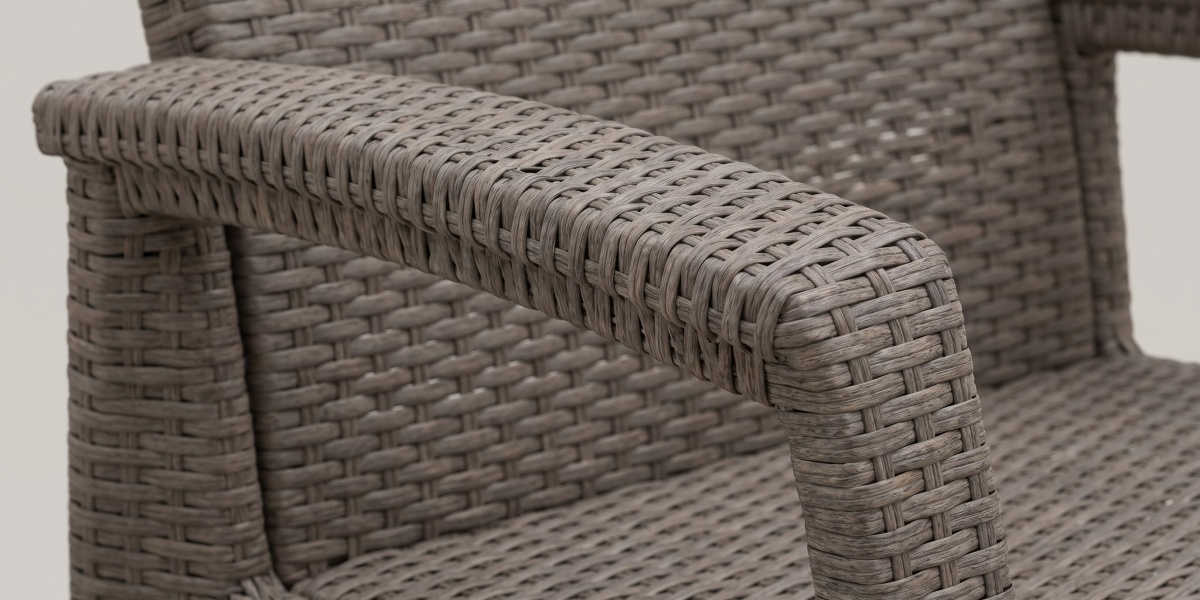
Kingmake HDPE Collections
Kingmake produces HDPE-based outdoor furniture as part of its broader resin wicker and woven outdoor collection, which includes sun loungers, daybeds, and seating built on powder-coated aluminum frames with hand-woven HDPE strands. This combination gives properties the visual warmth of natural rattan with the low-maintenance performance hospitality buyers actually need.
The outdoor daybed range is a common starting point for resort pool decks and cabana areas, where woven HDPE panels are paired with quick-dry cushions and rust-resistant hardware. Because the frame and weave are engineered as a system, properties get consistent color matching and structural performance across large furniture orders — an important factor when outfitting dozens or hundreds of rooms, cabanas, or terrace units at once.
Buyers researching material alternatives can also review Kingmake's broader notes on plastic outdoor furniture and poly outdoor furniture for context on how HDPE compares with other synthetic options used across the industry.
HDPE vs Traditional Plastic: Durability & UV Resistance
One of the most common procurement mistakes is treating "plastic outdoor furniture" as a single category. In practice, there is a wide performance gap between injection-molded commodity plastic and properly stabilized HDPE resin. Low-grade plastic furniture often becomes brittle within one to two seasons of direct sun exposure, developing surface chalking, color fade, and stress cracks at load-bearing joints.
HDPE formulated for outdoor use is typically UV-stabilized during production, which slows down the breakdown process that causes fading and brittleness. It also tends to hold dye color more evenly through the material rather than only on the surface, so scratches and wear are less visible over time. This matters directly for hotel and resort budgets, since furniture that needs early replacement quietly erases the cost savings that made lower-priced plastic attractive in the first place.
Comparison Table
| Material | UV & Weather Resistance | Maintenance Level | Typical Lifespan (Commercial Use) | Best Fit |
| Commodity plastic | Low – fades and cracks within 1–2 years | Low upfront, high replacement frequency | 1–3 years | Budget, short-term projects |
| HDPE (woven or molded) | High – UV-stabilized, color-consistent | Low – wipe clean, no sealing needed | 7–10+ years | Hotels, resorts, restaurants |
| Teak wood | Moderate – requires oiling/sealing | High – regular maintenance needed | 10–15+ years with care | Premium, design-led properties |
| Aluminum frame + fabric | High – frame durable, fabric varies | Moderate – fabric care required | 8–12 years | Poolside, lounge seating |
This table is a general guide; actual performance depends on resin grade, frame construction, and climate exposure at the specific property.
HDPE Weaving for Wicker-Look Outdoor Furniture
Much of the demand for HDPE in hospitality comes from its role as the core material in synthetic rattan and wicker-style patio furniture. Natural rattan and wicker are visually appealing but poorly suited to sustained outdoor exposure, since natural fibers absorb water, warp, and degrade faster in humid or coastal climates.
Woven HDPE strands solve this by replicating the look and texture of natural rattan while resisting moisture absorption entirely. The strands are woven over a rust-resistant aluminum frame, which keeps the furniture lightweight enough for repositioning around pool decks or event spaces, while still holding structural integrity under repeated commercial use.
For architects and designers specifying finishes across a property, HDPE weaving also allows for consistent color batching across large orders, something that is much harder to guarantee with natural rattan sourced from variable raw material lots.
Bulk Ordering & OEM for HDPE Outdoor Furniture
For distributors, importers, and hospitality groups managing multi-property or multi-region rollouts, bulk ordering HDPE furniture introduces a different set of considerations than a single-property purchase. Lead times, container optimization, frame consistency across production batches, and after-sales support for replacement parts all become part of the sourcing decision.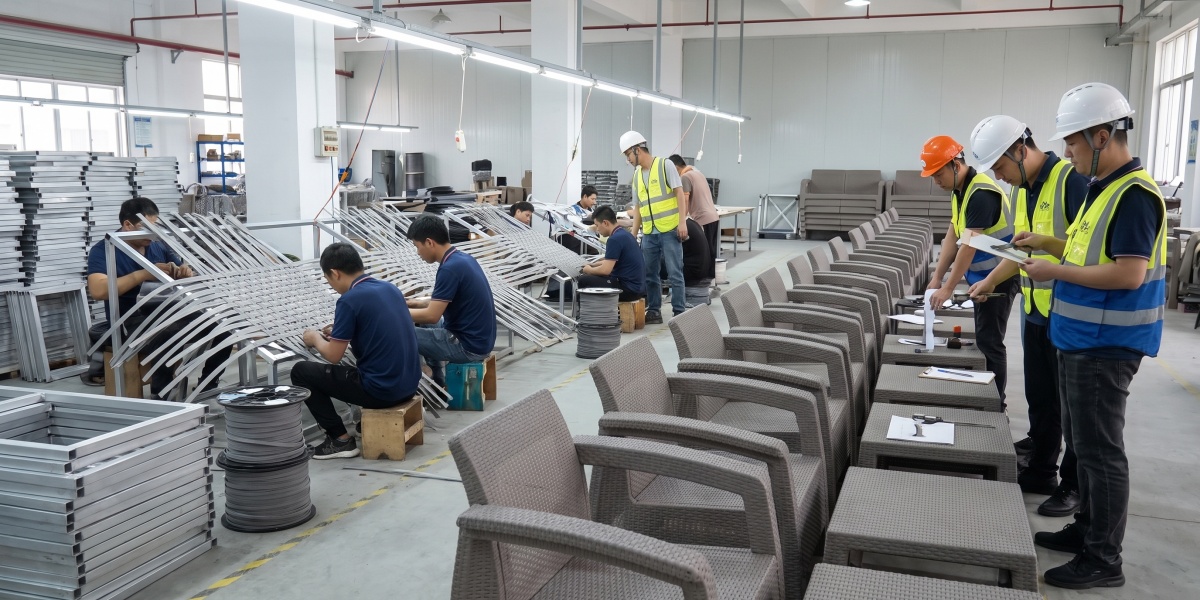
Kingmake supports OEM and commercial-scale outdoor furniture production, including custom weave colors, frame finishes, and cushion specifications tailored to a brand's design guidelines. This is particularly relevant for hospitality outdoor furniture programs that need to match furniture specifications across multiple properties under one brand standard, as well as hotel furniture and restaurant outdoor furniture projects where consistent quality control across large quantities directly affects guest experience.
Buyers evaluating sustainability commitments alongside procurement decisions may also find it useful to review material sourcing notes on recycled plastic outdoor furniture, as recycled content is an increasingly common request in commercial RFPs.
What to Evaluate Before Ordering Commercial Outdoor Furniture
Before finalizing a supplier or placing a bulk order, procurement teams should confirm the following:
Resin grade and UV stabilization — ask for material specification sheets, not just marketing descriptions.
Frame construction — confirm aluminum grade, joint welding, and corrosion protection.
Color and weave consistency — request batch samples if ordering across multiple properties.
Load testing and weight ratings — especially for high-traffic commercial seating.
Customization capability — verify OEM/ODM support for color, weave pattern, and cushion fabric.
Lead times and container planning — confirm production schedules against your project timeline.
Warranty and after-sales support — clarify replacement part availability for long-term maintenance.
Sample and quality control process — request pre-shipment inspection reports for large orders.
Working through this checklist early in the sourcing process reduces the risk of delays, mismatched specifications, or unexpected maintenance costs after installation.
FAQs
Is HDPE outdoor furniture waterproof?
HDPE itself does not absorb water, making the resin strands or molded components resistant to moisture damage. However, cushions, hardware, and frame joints should also be evaluated separately, since overall water resistance depends on the full furniture system, not the resin alone.
How long does HDPE patio furniture last?
In commercial settings with proper frame construction and UV-stabilized resin, HDPE furniture typically performs well for seven to ten years or more, depending on climate exposure and usage intensity.
Is HDPE furniture recyclable?
HDPE is a recyclable thermoplastic, and many manufacturers can incorporate recycled content into production. Buyers interested in sustainability positioning should confirm recycled material percentages directly with their supplier.
Does HDPE furniture crack in cold weather?
Quality HDPE formulated for outdoor use generally maintains flexibility across a wide temperature range, but extreme freeze-thaw cycles can still affect long-term performance. Buyers in colder climates should request cold-weather performance data before ordering.
Is HDPE outdoor furniture suitable for coastal or humid climates?
Yes. Because HDPE does not absorb moisture or salt in the way natural fibers do, it is a common choice for beachfront resorts and coastal hospitality properties.
Can HDPE furniture be customized for hotel brand standards?
Most manufacturers, including Kingmake, offer custom weave colors, frame finishes, and cushion options so furniture can align with a property's or brand's design specifications.
Conclusion
For hotel procurement managers, resort owners, and distributors evaluating hdpe outdoor furniture, the core decision points remain consistent: verified resin quality, frame durability, consistent supply for large orders, and a manufacturing partner capable of supporting long-term maintenance needs. HDPE offers a practical balance of weather resistance, low upkeep, and design flexibility that fits the realities of commercial hospitality projects, from single-property renovations to multi-region rollouts.
Kingmake Outdoor has spent more than 18 years manufacturing patio furniture for hotels, resorts, and commercial developments worldwide, with in-house capability across R&D, weaving, frame production, and quality control. For buyers planning HDPE furniture projects, working with a manufacturer that understands both material performance and commercial project timelines helps reduce sourcing risk and supports better long-term outcomes across the full lifecycle of the furniture.
 Whatsapp
 sales@cnkingmake.com
 +8613925925021