Introduction
Picture two outdoor sectionals bought at the same price, placed side by side on identical patios. Three years later, one looks as good as the day it arrived. The other has rust creeping along the frame, faded weave, and cushion covers that no longer fit right. The difference? Material choice.
This guide breaks down the four most popular outdoor sectional materials in 2026: PE wicker (sometimes called a wicker outdoor sectional or outdoor wicker sectional), teak, aluminum, and steel or iron (often marketed as a metal outdoor sectional). We cover lifespan, maintenance effort, climate suitability, and real cost over time, so you can spend your money once and enjoy your outdoor space for years.
Whether you are outfitting a hotel terrace, a resort poolside, or your own backyard,
Kingmake Outdoor Furniture has supplied commercial and residential clients for over 18 years with exactly these materials.
The Quick Answer: Which Outdoor Sectional Material Is Right for You?
Not everyone has time to read a full guide. Here is a fast four-line decision guide:
Limited budget + classic look → PE Wicker outdoor sectional
Long-term investment + natural style → Teak outdoor sectional
Lightweight, low maintenance + modern look → Aluminum outdoor sectional
Lowest upfront cost + dry, sheltered space → Steel or iron metal outdoor sectional
If you want the full reasoning behind each choice, keep reading. The details matter more than most buyers expect.
Related Guide: https://www.cnkingmake.com/news/best-outdoor-sectional.html
All Four Materials Compared: The Full Breakdown
The table below scores each material across nine dimensions. Use it as a reference while reading the detailed sections that follow.
Dimension | PE Wicker | Teak | Aluminum | Steel/Iron |
Lifespan | 5–10 yrs | 20–30 yrs | 10–15 yrs | 3–7 yrs |
Weight | Medium | Heavy | Very Light | Very Heavy |
Rust Resistance | High (Al frame) | N/A | Excellent | Poor |
Salt Air | Good | Excellent | Excellent | Poor |
Maintenance | Low | Medium | Very Low | High |
Price Range | $400–$1,500 | $1,500–$5,000+ | $600–$3,000 | $200–$800 |
UV Resistance | High | High | High | Medium |
Style | Classic/Casual | Natural/Luxury | Modern/Minimalist | Traditional/Budget |
Best Climate | Most climates | All climates | All climates | Dry/sheltered |
Note: Lifespan estimates assume proper seasonal care. Coastal salt air, UV exposure, and freeze-thaw cycles can reduce these numbers if furniture is left uncovered year-round.
PE Wicker Outdoor Sectionals: Classic Look, Versatile Performance
The outdoor wicker sectional is one of the most searched furniture styles online, and it is not hard to see why. Wicker furniture has a timeless, relaxed aesthetic that works equally well on a condo balcony, a hotel pool deck, or a suburban patio. Today, nearly all wicker outdoor sectional products use PE (polyethylene) synthetic weave rather than natural rattan, and that distinction matters enormously for outdoor use.
PE Wicker vs Natural Rattan: What Is Actually in Your Furniture
About 95% of wicker outdoor sectionals on the market today use PE synthetic weave, not natural rattan. This is a good thing for outdoor use. Natural rattan absorbs moisture, cracks under UV exposure, and can warp badly within a single season outdoors. PE wicker is engineered specifically for sun, rain, and temperature changes. It holds its color better, resists moisture, and does not crack or splinter over time.
When a product listing says "wicker," always check whether it means PE or natural rattan. If the listing does not specify, ask the supplier. For any outdoor wicker sectional, PE is the only sensible choice.
Frame Material Inside Wicker Sectionals: Aluminum vs Iron
The woven PE surface is just the outer layer. The internal frame determines how long the whole piece actually lasts outdoors. There are two common frame types:
Aluminum frame: rust-proof, lightweight, and durable. The best choice for any outdoor wicker sectional, especially in humid or coastal settings.
Iron frame: heavier and more affordable, but prone to rust once the protective coating chips. Fine for sheltered, dry environments with regular maintenance.
When comparing outdoor wicker sectional options, always check the product specification page for frame material. Many listings emphasize the weave and say little about the frame. An aluminum-frame wicker sectional will typically outlast an iron-frame version by three to five years under the same conditions.
PE Wicker Weave Density and UV Performance
Weave density is a detail most buyers overlook and most sellers do not mention. Denser weaves (covering more than 85% of the frame surface) offer better UV resistance because there is less exposed frame and less space for water to sit. Looser weaves are more breathable on hot days but tend to age faster under direct sun. For a piece that stays outdoors year-round, look for a weave density above 85% and a PE weave rated for UV resistance.
Best PE Wicker Outdoor Sectionals: What to Look For
When shopping for an outdoor wicker sectional, prioritize these three features: aluminum internal frame, PE weave with UV inhibitors, and quick-dry cushion foam. These three elements together will push your lifespan from the lower end of the five to eight year range to the upper end of eight to ten years, especially if you use a furniture cover during off-seasons.
Teak Outdoor Sectionals: The 25-Year Investment
A teak outdoor sectional occupies a different category from the other options in this guide. It is not simply furniture. Teak is a long-term investment in your outdoor space, comparable in some ways to a hardwood floor inside the home. The upfront cost is higher, but the payoff over two or three decades can make it the most economical choice on a per-year basis.
Why Teak Is Uniquely Suited for Outdoor Use
Teak wood contains natural oils (sometimes called teakol) that provide built-in moisture resistance without any chemical treatment. Its Janka hardness rating is 1,070 lbf, which places it well above most softwoods and many other hardwoods used in furniture. It also has a naturally high silica content that makes it resistant to insects and wood rot. These are not marketing claims. They are measurable properties that explain why teak outdoor sectionals can survive decades of rain, sun, and temperature shifts with minimal structural damage.
Grade A vs Grade B Teak: What the Grading Means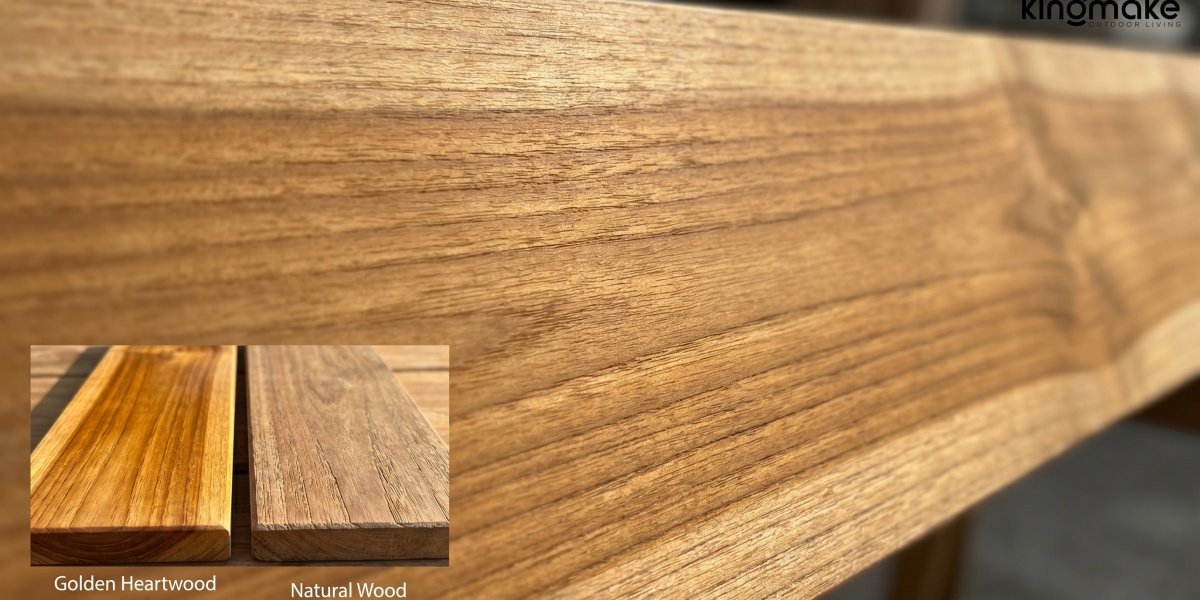
Not all teak outdoor furniture is equal. The grading system tells you which part of the tree the wood came from:
Grade A: Heartwood only. Dense, uniform grain, golden-brown color, no knots, highest natural oil content. This is what you want for outdoor furniture.
Grade B: Mixed heartwood and sapwood. Less even color, lower oil content, slightly more prone to cracking over time.
Grade C: Reclaimed or recycled wood. Inconsistent quality, lowest price, highest maintenance requirement.
Many budget teak products are sold without a grade label. If a listing does not specify Grade A, it probably is not. For a teak outdoor sectional that will genuinely last 20 to 30 years, Grade A is the only grade worth buying.
Teak Maintenance: Oiling Schedule and the Silvering Process
Teak requires more active care than aluminum but less than steel. Here is the standard annual process:
Step 1: Clean with a soft brush and mild teak cleaner to remove surface dirt and mildew.
Step 2: Sand lightly with 120-grit sandpaper along the grain to open the wood pores.
Step 3: Apply teak oil evenly with a cloth or brush.
Step 4: Allow 24 hours to dry before use or covering.
One natural change that surprises many first-time teak buyers is silvering. Untreated teak gradually turns silver-gray over 6 to 12 months of outdoor exposure. This is a normal oxidation process and does not harm the wood structurally. Many owners actually prefer the silver patina for its driftwood look. If you want to maintain the original golden color, annual oiling will do it. If you prefer the silver tone, simply leave the wood untreated.
When evaluating a teak outdoor sectional, confirm three things before purchasing: Grade A teak designation, FSC (Forest Stewardship Council) certification for sustainably sourced wood, and stainless steel hardware throughout the joinery. Brass or galvanized steel screws will rust and stain the wood surface over time. Stainless steel holds indefinitely.
Aluminum Outdoor Sectionals: Lightweight, Rustproof, Low-Maintenance
The aluminum outdoor sectional has become the fastest-growing category in outdoor furniture over the past five years, and for good reason. It combines genuine durability, very low maintenance, and a
modern aesthetic that works across a wide range of outdoor settings, from minimalist urban terraces to resort pool decks.
Cast vs Extruded vs Tubular Aluminum: Which Is Strongest
Aluminum outdoor furniture comes in three structural forms, and most buyers have never heard this distinction:
Cast aluminum: Molded in solid forms. The thickest and most ornate. Used in higher-end pieces with detailed designs.
Extruded aluminum: Formed by pushing aluminum through a shaped die. Very consistent wall thickness, the most common type in quality outdoor furniture.
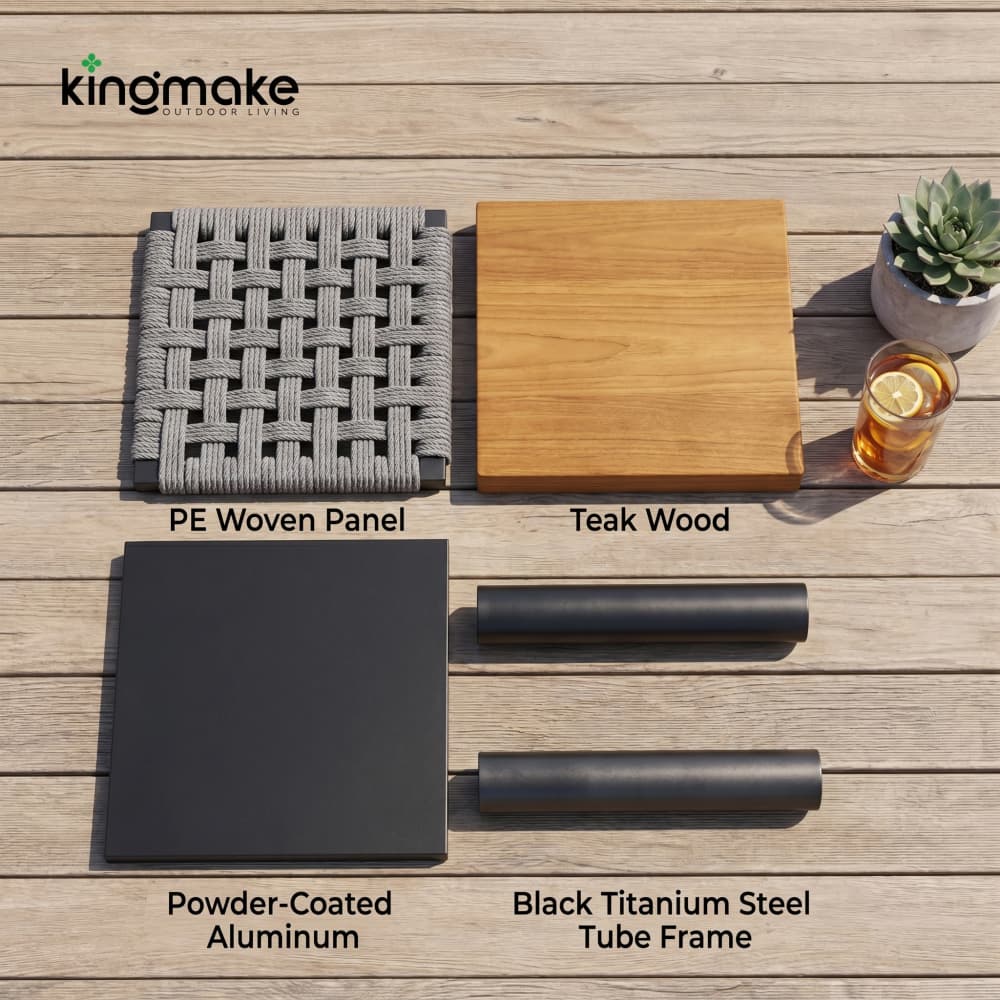
Tubular aluminum: Hollow tubes, the lightest option. Strength depends entirely on wall thickness. Look for a minimum wall thickness of 2mm for any outdoor frame that will bear seated weight.
A specification sheet listing "aluminum frame" without type or wall thickness is withholding information you need. Reputable manufacturers publish this data.
Powder Coating Quality: What Separates a 10-Year Frame from a 3-Year One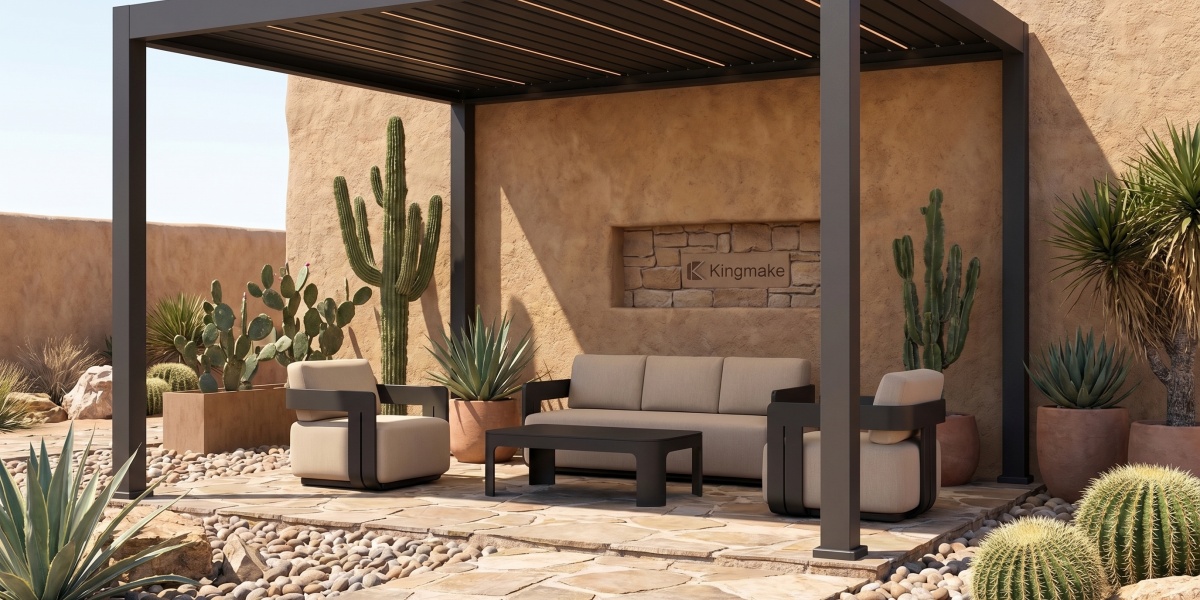
Pure aluminum does not rust. However, the powder coating applied to most aluminum outdoor sectionals can chip, peel, and degrade, and that is where oxidation begins. A good powder coat layer is 60 to 80 microns thick and passes ASTM D3359 cross-hatch adhesion testing. When the coating chips, the exposed aluminum forms a chalky white oxide layer. This does not compromise the frame structurally, but it looks poor and worsens without touch-up. The difference between a frame that looks new after ten years and one that looks worn after three is almost always powder coat quality.
Best Aluminum Outdoor Sectionals: What to Look For
For an aluminum outdoor sectional that performs well long-term, look for extruded aluminum with a wall thickness of at least 2mm, powder coating thickness of 60 microns or more, and stainless steel hardware. For coastal settings, marine-grade 6061 aluminum alloy offers the highest salt-air resistance available.
Kingmake's aluminum outdoor sectional range is built with commercial-grade frames suitable for hotels, resorts, and high-use residential settings.
Steel and Iron Outdoor Sectionals: Budget-Friendly With Trade-Offs
A metal outdoor sectional made from steel or iron will cost less upfront than any other material on this list. That price advantage is real, and in the right situation, it makes sense. The key is understanding what you are trading for the lower price.
Steel vs Iron vs Wrought Iron: The Differences Matter
The term "metal outdoor sectional" covers several distinct materials that perform quite differently:
Steel: A carbon-iron alloy. The most common material in budget outdoor furniture. Strong, but prone to surface rust when coatings fail.
Cast iron: Very heavy, somewhat brittle. More resistant to minor corrosion than steel but adds significant weight.
Wrought iron: Hand-crafted, dense, decorative. More rust-resistant than standard steel, but significantly more expensive and heavy. Authentic wrought iron outdoor furniture is rare today.
Many products listed as "iron" are actually mild steel. If you see a low price and a heavy piece, it is almost certainly steel. Neither material is wrong for outdoor use, but both require more maintenance than aluminum or teak.
Rust Prevention: What to Look For and How to Treat It
Steel and iron outdoor furniture can last respectably with proper annual care:
Step 1: Inspect the full frame each spring for rust spots, chipped paint, or bare metal exposure.
Step 2: For light surface rust, sand with 80-grit sandpaper until the metal is clean and smooth.
Step 3: Apply a rust-inhibiting primer, let dry fully, then repaint with outdoor-rated metal paint.
If rust has penetrated deeply into the metal and the frame feels flaky or structurally weak, repainting will not fix the problem. At that stage, replacement is the safer and ultimately cheaper option. Surface rust caught early is manageable. Structural rust is not.
When a Metal Outdoor Sectional Makes Sense
A steel or iron metal outdoor sectional is a reasonable choice in three situations: you have a fully covered patio or pergola that keeps direct rain off, you live in a dry climate with low humidity year-round, and you plan to store the furniture indoors or under cover during off-seasons. Outside of these conditions, the additional maintenance burden and shorter lifespan make the cost advantage shrink quickly.
How to Choose by Climate: A Regional Material Guide
Material choice should follow climate, not just style preference. Here is a breakdown by outdoor environment:
Coastal and Salt Air Environments
First choice: Grade A teak or marine-grade aluminum (6061 alloy)
Acceptable: PE wicker with confirmed aluminum internal frame
Avoid: Any steel or iron frame; standard powder-coated aluminum without marine-grade specification
Hot and Dry Climates
First choice: Aluminum or PE wicker with UV-rated weave
Acceptable: Teak (though it may need more frequent oiling in extreme heat), steel in covered areas
Avoid: Uncovered steel or iron in full sun without a UV-protective topcoat
Rainy and Humid Climates
First choice: Teak or aluminum
Acceptable: PE wicker with aluminum frame and good drainage cushions
Avoid: Steel or iron without diligent annual maintenance
Cold and Freeze-Thaw Climates
First choice: Aluminum, which handles expansion and contraction well
Acceptable: Teak (store cushions, cover furniture)
Avoid: Natural rattan and iron frames left outdoors through winter
Material Maintenance Calendar: What to Do Each Season
Consistent seasonal care is the single biggest factor in extending outdoor furniture life. Use this table as your year-round reference.
Material | Spring | Summer | Fall | Winter |
PE Wicker | Wash frame & weave | Check for UV fading | Apply cover | Store cushions indoors |
Teak | Sand lightly, apply teak oil | Wipe clean monthly | Oil again if silvering | Cover or store |
Aluminum | Rinse with mild soap | Inspect powder coat | Touch up chips | Cover; no storage needed |
Steel/Iron | Inspect for rust spots | Sand & repaint chips | Apply rust inhibitor | Store in dry space |
Frequently Asked Questions About Outdoor Sectional Materials
What is the most durable outdoor sectional material?
Teak wins on raw lifespan, with Grade A pieces lasting 20 to 30 years under proper care. However, aluminum scores highest on the combination of durability and low maintenance, since it requires no oiling, does not rust, and performs well in almost every climate. The right answer depends on whether you prioritize longevity or convenience.
Is wicker or aluminum better for outdoor furniture?
Both are solid choices at similar price points, but for different reasons. An outdoor wicker sectional offers a warmer, more classic aesthetic and performs well with an aluminum internal frame. An aluminum outdoor sectional is lighter, easier to clean, and slightly better in coastal and wet climates. If style is the priority, choose wicker. If low maintenance is the priority, choose aluminum.
Does a teak outdoor sectional need to be covered?
Covering is not strictly required. Teak can handle rain and sun without structural damage. However, a furniture cover significantly slows the silvering process and reduces how often you need to re-oil. If you want to maintain the original golden color year-round with minimal effort, a cover is worth the investment.
Can an aluminum outdoor sectional rust?
Pure aluminum does not rust the way steel does. When the powder coating chips and bare aluminum is exposed to moisture, you may see a chalky white oxidation layer form. This is aluminum oxide, a natural protective reaction, and it does not compromise the frame structurally. Regular inspection and touch-up of the powder coat surface will prevent the issue entirely.
Conclusion
Outdoor furniture decisions should not have to be made twice. The right material matched to your climate, maintenance habits, and budget will give you years, or even decades, of comfortable outdoor living without rust, rot, or replacement costs eating into your investment.
To summarize: PE wicker outdoor sectionals offer the best balance of classic style and affordability. A teak outdoor sectional is the best long-term investment for buyers who want to buy once and not think about it again. An aluminum outdoor sectional is the most practical all-around choice for modern, low-maintenance outdoor spaces. A metal outdoor sectional in steel or iron makes sense primarily in dry, sheltered environments with an active maintenance commitment.

 Whatsapp
 sales@cnkingmake.com
 +8613925925021