
How to Clean an Outdoor Sofa: Cushions, Frames, and Fabric Care
Maintain pristine outdoor seating for commercial and hospitality environments.
Quick Summary / Key Takeaways
Regular dusting and light spot cleaning help prevent dirt from settling into fabrics and frames, preserving both appearance and longevity.
Always follow manufacturer care guidance, as cleaning methods vary by frame material, cushion construction, and fabric type.
Mild soap and lukewarm water are suitable for routine cleaning of most outdoor sofa cushions and frames without risking surface damage or discoloration.
Proper drying after cleaning is essential to prevent moisture retention, mildew, and odors, especially in cushions and removable covers.
Address spills and stains as soon as they occur to reduce the risk of permanent marks and keep outdoor seating consistently clean and ready for use.
Introduction

Outdoor sofas play a central role in shaping inviting guest environments, from relaxed poolside lounges to beachfront terraces and elevated rooftop spaces. Designed for comfort and visual appeal, these pieces are constantly exposed to sun, moisture, salt air, and daily use. Without proper care, even well-crafted outdoor seating can lose its refined finish and performance over time. Regular, thoughtful cleaning is essential to preserve appearance, hygiene, and long-term value.
Knowing how to clean an outdoor sofa correctly starts with understanding its individual components. Frames, cushions, and fabrics each require specific care to avoid surface damage, fading, or moisture retention. Using gentle cleaning methods helps protect powder-coated aluminum, weather-resistant wicker, teak, and performance fabrics while maintaining their intended look and feel. Attention to details such as drying techniques and routine maintenance ensures outdoor sofas remain comfortable, presentable, and ready for daily use.
This guide outlines practical, material-conscious steps for cleaning outdoor sofa cushions, frames, and fabrics with confidence. It focuses on simple routines that support durability, protect craftsmanship, and keep outdoor seating looking composed season after season. At Kingmake, this approach reflects a commitment to creating outdoor sofas that are not only designed to perform beautifully, but also easy to care for across a wide range of environments.
Outdoor Sofa Material Care Overview
| Material Type | Routine Care | Deep Cleaning Method | Key Precautions |
|---|---|---|---|
| Powder-Coated Aluminum | Wipe with damp cloth | Mild soap & water, rinse, dry | Avoid abrasive pads or harsh cleaners |
| Synthetic Wicker | Brush off debris, light wipe | Mild soap & water, gentle scrub, rinse | Avoid stiff brushes or chemical cleaners |
| Teak or Wood | Brush off dirt, wipe dry | Mild soap or teak cleaner, soft brush | Rinse thoroughly, re-oil annually if maintaining color |
| Performance Fabric (Cushions) | Brush or vacuum, spot clean | Mild soap and water, rinse, air dry | Ensure full drying, avoid bleach |
Recommended Cleaning Solutions by Outdoor Sofa Component
| Component | Recommended Cleaner | Application Method | Drying Protocol |
|---|---|---|---|
| Outdoor Sofa Cushions | Mild liquid dish soap (diluted) | Soft brush or sponge, gentle scrub | Air dry completely, prop upright |
| Outdoor Sofa Covers (Removable) | Mild laundry detergent (bleach-free) | Machine wash gentle cycle (if permitted) | Air dry flat or hang, avoid dryer |
| Aluminum Frames | Mild liquid dish soap (diluted) | Soft cloth, wipe down surfaces | Wipe dry immediately with clean cloth |
| Wicker Frames | Mild liquid dish soap (diluted) | Soft brush, focus on crevices | Rinse gently, air dry in shade |
Pre-Cleaning Preparation Checklist for Outdoor Sofas
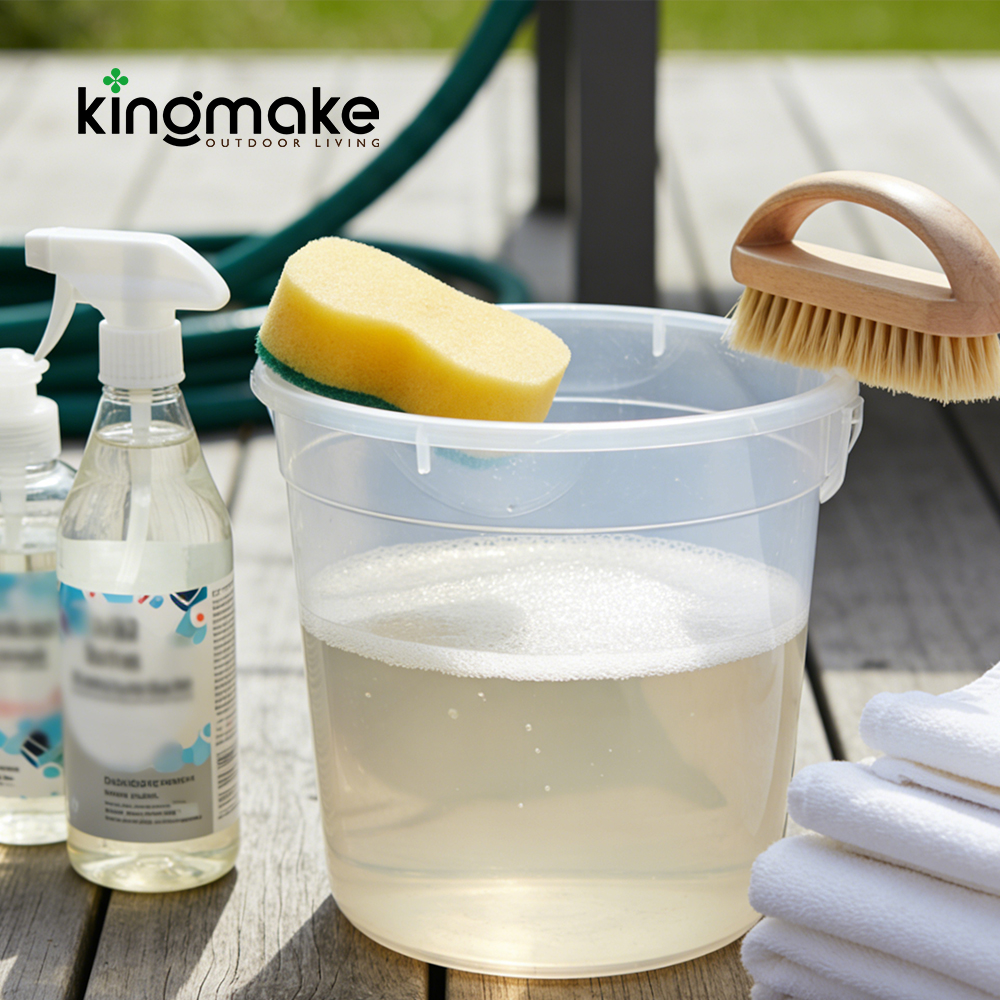
Gather appropriate cleaning supplies, including mild soap, soft brushes, clean cloths, and a garden hose.
Review manufacturer care guidelines to confirm proper cleaning methods for each sofa component, including frames, cushions, and fabrics.
Remove loose dirt and debris by dry brushing or vacuuming cushions and frames before introducing moisture.
Test any cleaning solution on a discreet area to ensure it does not cause discoloration or surface damage.
Post-Cleaning Inspection and Drying Checklist
Rinse all cleaned surfaces thoroughly to eliminate any remaining soap residue.
Position cushions upright or on their sides to promote airflow and ensure complete drying.
Wipe frame surfaces dry immediately after rinsing to prevent water spots and residue marks.
Inspect the entire outdoor sofa to confirm all areas are clean, dry, and ready for use before returning it to service.
Table of Contents

Section 1: UNDERSTANDING YOUR OUTDOOR SOFA MATERIALS
Section 2: ROUTINE MAINTENANCE FOR LONGEVITY
Section 3: DEEP CLEANING OUTDOOR SOFA CUSHIONS AND COVERS
Section 4: CLEANING OUTDOOR SOFA FRAMES
Section 5: STAIN TREATMENT AND DRYING TECHNIQUES
Frequently Asked Questions
Section 1: UNDERSTANDING YOUR OUTDOOR SOFA MATERIALS
FAQ 1: What are common outdoor sofa frame materials?
Common outdoor sofa frame materials include powder coated aluminum, weather resistant synthetic wicker supported by metal frames, and natural teak wood. Powder coated aluminum is widely selected for its resistance to rust and corrosion, its lightweight handling, and its long term structural reliability in outdoor environments. Teak is valued for its dense grain and natural oils, which protect against moisture, decay, and insects while allowing the surface to age naturally over time.
Synthetic wicker and rope are typically applied as exterior design elements rather than load bearing structures, providing visual warmth and comfort while relying on aluminum or teak frames for strength. Understanding the frame material is essential, as each material requires a specific cleaning method to maintain surface quality and extend the sofa’s usable life.
FAQ 2: What types of fabrics are used for outdoor sofa cushions?
Outdoor sofa cushions commonly use performance fabrics such as solution dyed acrylic, polyester, and olefin that are engineered to handle sun exposure, moisture, and frequent use. Solution dyed acrylic fabrics, including options like Sunbrella, are valued for strong UV resistance, color stability, and mildew control, helping cushions maintain their appearance over time.
Combined with breathable constructions and self cleaning performance finishes, these fabrics reduce routine maintenance while supporting comfort and long term presentation. This makes them well suited for outdoor sofas used in resorts, hotels, and rental properties where consistent appearance and easy care are essential.
FAQ 3: Why is material knowledge important for cleaning?
Material knowledge is important because outdoor sofa frames, cushions, and woven surfaces respond differently to cleaning methods. Powder coated aluminum frames require gentle washing to preserve their protective finish, while teak surfaces need mild cleaners that respect the wood’s natural oils. Performance fabrics and rope or wicker elements can lose water resistance or color stability if harsh chemicals are used.
Understanding how each material behaves allows cleaning to be effective without causing surface damage or premature wear. This approach helps outdoor sofas maintain their appearance, comfort, and structural reliability over time, especially in spaces exposed to sun, moisture, and frequent use.
Section 2: ROUTINE MAINTENANCE FOR LONGEVITY
FAQ 4: How often should outdoor sofas be routinely cleaned?
Outdoor sofas should be cleaned on a regular schedule, typically once a week or every two weeks, depending on how often they are used and the surrounding environment. Spaces exposed to dust, pollen, moisture, or salt air benefit from more frequent light cleaning to prevent buildup on frames, fabrics, and woven surfaces. Routine care helps preserve finishes, maintain fabric performance, and keep seating visually inviting.
Consistent, gentle cleaning reduces the need for aggressive deep cleaning later and supports long term durability. This approach is especially effective for outdoor sofas designed for hospitality settings, where appearance, hygiene, and comfort must remain reliable day after day.
FAQ 5: What are the daily steps for maintaining outdoor sofa cleanliness?
Daily maintenance for an outdoor sofa focuses on simple, preventive care that keeps surfaces clean and presentable. Lightly brushing away leaves, sand, or dust prevents debris from settling into woven details or fabric textures. Frames can be wiped with a dry or slightly damp cloth to remove surface residue, while cushions benefit from a gentle brush to clear pollen or fine particles. These quick steps help preserve finishes and fabric appearance without disrupting daily operations.
This routine is especially effective for outdoor sofas designed with durable aluminum frames, teak elements, and performance fabrics, where consistent light care supports long term appearance and comfort. Small daily actions reduce wear over time and keep seating areas ready for guests at all hours.
FAQ 6: How do you dust outdoor sofa frames and cushions?
Dust outdoor sofa frames using a soft, dry cloth or a microfiber duster, paying attention to joints, edges, and woven or rope details where particles tend to settle. For cushions, a soft brush or a vacuum with an upholstery attachment gently removes dry dust, sand, and pollen without stressing the fabric or seams. This dry method is effective for routine care and helps preserve finishes and fabric texture before deeper cleaning is needed.
Regular dusting is especially important for outdoor sofas with powder coated aluminum frames, woven elements, and removable cushion covers, as it prevents fine debris from working into surfaces and reduces long term wear.
Section 3: DEEP CLEANING OUTDOOR SOFA CUSHIONS AND COVERS
FAQ 7: What is the best way to clean outdoor sofa cushions?
The best way to clean outdoor sofa cushions is to use mild soap and lukewarm water, followed by a thorough rinse and complete drying. For cushions with removable covers, unzip and wash them separately according to fabric care instructions, using gentle cycles only. For cushions with non removable covers, apply the soap solution directly to the surface, lightly brush with a soft bristle brush, and rinse with clean water until all residue is removed.
Allow cushions to air dry fully before placing them back on the sofa. Standing cushions on edge improves airflow and speeds drying, which is especially important for quick dry foam cushions designed for outdoor use. This method maintains fabric appearance, prevents residue buildup, and supports long term comfort.
FAQ 8: How do you deep clean removable outdoor sofa covers?
Removable outdoor sofa covers should be deep cleaned by machine washing on a gentle cycle with cold water and a mild detergent, always following the care instructions provided for the fabric. Before washing, spot treat visible stains using a fabric safe cleaner to avoid aggressive scrubbing that could damage the weave or finish. Avoid bleach or strong chemicals, as these can weaken fibers and reduce color stability over time.
After washing, allow covers to air dry completely before placing them back on the cushions. Proper drying helps prevent shrinkage and mildew and ensures the fabric maintains its shape and performance. This approach supports long term cleanliness while preserving the look and comfort expected from outdoor performance upholstery.
FAQ 9: Can you machine wash outdoor sofa covers?
Yes, many outdoor sofa covers made from performance fabrics such as solution dyed acrylic or outdoor grade polyester can be machine washed, provided the care label allows it. Use a gentle cycle with cold water and a mild detergent to protect the fabric structure and color stability. Fabric softeners and bleach should be avoided, as they can reduce water resistance and weaken protective finishes over time.
After washing, covers should always be air dried rather than machine dried. Allowing them to dry naturally helps maintain proper fit, prevents shrinkage, and preserves the long term appearance and performance expected from outdoor upholstery.
FAQ 10: How do you clean non-removable outdoor sofa cushions?
To clean non removable outdoor sofa cushions, start by vacuuming or brushing away loose dirt and debris. Lightly clean any visible stains using a mild soap and water solution with a soft brush, working gently to avoid pushing dirt deeper into the fabric. For overall refreshment, apply the same diluted solution across the cushion surface, then rinse thoroughly with clean water to remove all residue.
Proper drying is essential. Stand cushions on their side or position them upright in a well ventilated area so moisture drains quickly and evenly. This approach supports faster drying, reduces the risk of mildew, and helps preserve the comfort and appearance expected from outdoor sofa cushions used in high use settings.
Section 4: CLEANING OUTDOOR SOFA FRAMES
FAQ 11: How do you clean powder-coated aluminum frames?
Clean powder coated aluminum frames by wiping them with a soft cloth or sponge using mild soap and lukewarm water. Gently remove dirt, salt residue, and surface buildup without scrubbing, then rinse thoroughly with clean water to ensure no soap remains on the finish. Avoid abrasive pads, harsh chemicals, or pressure washing, as these can damage the protective coating.
Dry the frames immediately with a clean, soft cloth to prevent water marks and maintain a smooth, uniform appearance. Regular light cleaning helps preserve corrosion resistance and finish quality, especially in coastal or high exposure outdoor settings.
FAQ 12: What is the process for cleaning weather-resistant wicker frames?
Clean weather resistant wicker frames by first removing loose dust and debris with a soft brush or dry cloth. Prepare a solution of mild soap and water, then gently wipe the wicker using a soft sponge or cloth, paying close attention to woven areas where dirt can settle. Avoid abrasive tools or aggressive scrubbing, which can damage the surface and weave tension.
Rinse thoroughly with clean water using a gentle hose setting to remove all soap residue, then allow the frame to dry completely in a shaded, well ventilated area. Regular light cleaning helps maintain the wicker’s appearance and structural integrity, especially in outdoor spaces exposed to sun, humidity, or coastal air.
FAQ 13: How do you clean teak or wood outdoor sofa frames?
Clean teak or wood outdoor sofa frames by first brushing away loose dirt, leaves, and surface debris. Wash the frame using a mild soap solution or a pH neutral teak cleaner with a soft bristled brush, working gently along the wood grain to lift dirt without damaging the fibers. Rinse thoroughly with clean water to remove all residue, then allow the frame to air dry completely before use. Teak will naturally weather to a silver gray patina over time, which is a normal and desirable characteristic of quality teak.
If maintaining the original warm tone is preferred, a teak sealer or oil may be applied once the wood is fully dry, typically on an annual basis. This optional step helps slow color change while adding protection against sun and moisture exposure. Consistent, gentle care preserves both the appearance and long term performance of teak outdoor sofa frames.
Section 5: STAIN TREATMENT AND DRYING TECHNIQUES
FAQ 14: How do you effectively treat common outdoor sofa stains?
To treat common outdoor sofa stains effectively, act as soon as the spill occurs. Blot liquids immediately with a clean, absorbent cloth to prevent them from setting into the fabric. For most stains, apply a mild soap solution or a fabric cleaner suitable for outdoor performance textiles, then gently work it into the affected area using a soft brush. Clean from the outer edge of the stain toward the center to avoid spreading. Rinse thoroughly with clean water and allow the fabric to air dry completely, ensuring good airflow to prevent moisture retention.
This approach is well suited for the outdoor fabrics commonly used in Kingmake outdoor sofas, which are designed to handle routine cleaning without compromising comfort, appearance, or long term durability when treated promptly and gently.
FAQ 15: What is the proper way to dry outdoor sofa cushions and frames after cleaning?
The proper way to dry outdoor sofa cushions and frames after cleaning is to promote steady airflow and eliminate trapped moisture. Cushions should be placed upright or on their sides so water can drain naturally and air can circulate through the foam and fabric layers. Frames should be wiped dry immediately after rinsing using a soft cloth to prevent water marks and residue buildup. Avoid stacking or covering any components until they are fully dry.
Allow all parts to air dry completely in a shaded, well ventilated area rather than direct sunlight, which can stress fabrics and finishes. This drying method supports long term performance and helps preserve the clean, refined appearance expected from well made outdoor sofas designed for repeated use across changing conditions.

 Whatsapp
 sales@cnkingmake.com
 +8613925925021