
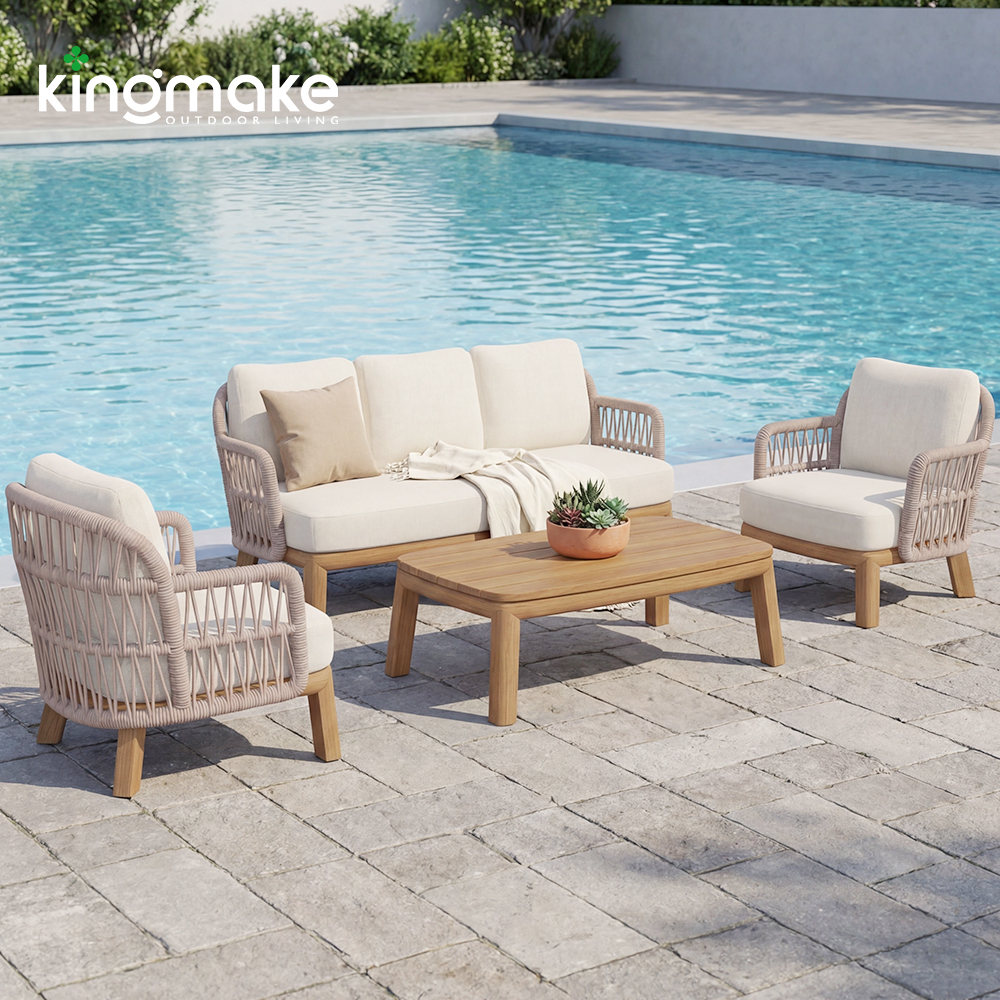
how to choose reliable outdoor furniture: key tips from consumer rights day
Introduction: Why Choosing the Right Outdoor Furniture Matters
Every March 15, World Consumer Rights Day reminds us to spend smarter and demand better quality. In 2025, consumer advocacy groups and industry bodies continued to spotlight outdoor furniture as one of the product categories where buyers most often overpay for under-performing goods. Rust appearing after one rainy season, cushions that fade within months, or chairs that wobble under normal use — these are complaints that show up year after year. The good news is that they are entirely avoidable.
Outdoor furniture is not a seasonal purchase. A good set should last a decade or more. Whether you are furnishing a backyard, a hotel terrace, or a resort pool area, knowing how to choose reliable outdoor furniture can save you real money and a lot of frustration. This guide walks you through seven key factors that separates durable outdoor furniture from cheap pieces that are not worth the price.
What you will find in this guide:
• Factor 1: How to pick the right frame material
• Factor 2: What to look for in fabric and cushions
• Factor 3: How to match materials to your climate
• Factor 4: How to check construction quality
• Factor 5: Residential vs. commercial use cases
• Factor 6: How to evaluate a supplier
• Factor 7: Total cost of ownership, not just price
The Hidden Cost of Poor-Quality Outdoor Furniture
Cheap outdoor furniture rarely stays cheap for long. Here is what a poor purchase actually costs you.
A budget set that rusts, cracks, or fades after one or two seasons needs replacing. Do that three or four times over a decade, and you have spent more than you would have on a single quality piece. For hotels, restaurants, or any commercial setting, the stakes are even higher. Structural failure in a public space can lead to injury and liability. Worn-out furniture also signals a lack of care to guests, and that hits your reputation.
There is an environmental dimension too. Low-quality furniture often ends up in landfills quickly. The U.S. EPA has noted that furniture waste is one of the fastest-growing landfill categories in the country, much of it driven by cheap products that were never built to last.
Consumer Rights Day is a good reminder: you have the right to information. Ask about materials. Ask about certifications. Ask how long the product is designed to last. A supplier that cannot answer these questions is worth walking away from.
Factor 1: Choose the Right Frame Material for Durable Outdoor Furniture
The frame is the backbone of any outdoor furniture piece. Getting this decision right makes everything else easier.
The five most common frame materials for outdoor furniture each come with real trade-offs. Here is a straightforward comparison:
Material | Weather Resistance | Maintenance | Best For | Expected Lifespan |
Powder-Coated Aluminum | Excellent | Very low | All climates | 15 to 20 years |
Teak Wood | Excellent | Low to medium | Humid / coastal areas | 20 to 30 years |
Stainless Steel | Very good | Low | Coastal, windy areas | 25 or more years |
HDPE / Resin Wicker | Good | Very low | UV-heavy climates | 10 to 15 years |
Wrought Iron | Moderate | High | Dry, low-humidity areas | 10 to 20 years (with upkeep) |
Powder-coated aluminum is the most widely used material in commercial and hospitality outdoor furniture today. It is lightweight, rust-resistant, and requires very little maintenance across all climate types. Teak wood remains the premium choice for buyers who want a natural aesthetic and exceptional longevity, particularly in coastal or tropical environments — its natural oils repel moisture and deter insects. If you are comparing options, the aluminum-plus-teak combination covers both function and beauty for most settings.
Brands like Kingmake Outdoor (cnkingmake.com), with over 17 years of manufacturing experience, specialize in precisely this combination — aluminum-framed and teak furniture built to commercial grade standards for hotels, resorts, and project developers worldwide.
Factor 2: Evaluate Fabric and Cushion Quality for Weather-Resistant Outdoor Furniture
Many buyers spend all their attention on frames and barely glance at the cushions. This is a mistake. Fabric and cushion quality is one of the biggest reasons outdoor furniture looks old or worn out well before its time.
What to Look for in Outdoor Cushion Fabric
There are two main types of outdoor fabric. The first is solution-dyed acrylic, where the color is added during the fiber-making process rather than printed on the surface. This means the dye goes all the way through, so UV exposure and washing do not strip the color. The second type is surface-printed fabric, which fades faster and is generally less durable.
Beyond color stability, look for these qualities when evaluating outdoor cushions:
• Mold and mildew resistance, especially important in humid climates or hospitality settings with frequent cleaning
• Quick-dry foam cores, which let cushions recover faster after rain instead of staying soggy for days
• Tight, even stitching at seams — this is a simple visual check that reveals a lot about manufacturing quality
• Ventilation holes or breathable fabric covers that encourage airflow and faster drying
• UV rating or certification from standards bodies — look for products tested to Sunbrella-equivalent performance levels
Factor 3: Match Outdoor Furniture Materials to Your Climate
The best outdoor furniture for a beachside resort in Florida is not the same as what works best for a mountain chalet in Colorado. Climate compatibility is one of the most practical and commonly skipped steps in choosing reliable outdoor furniture.
Coastal and Humid Environments
Salt air accelerates corrosion in ways that most buyers underestimate. For coastal areas, stick with powder-coated aluminum, teak, or HDPE wicker. Avoid wrought iron entirely — even treated iron rusts relatively quickly in salt-heavy air. Stainless steel hardware and fasteners are essential in this environment.
Hot and High-UV Environments
In desert climates or anywhere with intense year-round sun, UV degradation is the main enemy. Solution-dyed fabrics hold their color far better than standard outdoor fabric. Powder-coated aluminum finishes resist UV fading without additional treatment. Teak also performs well here, naturally weathering to a silver-grey if left untreated without structural deterioration.
Cold and High-Rainfall Environments
Freeze-thaw cycles are tough on porous materials. Sealed teak and powder-coated aluminum are both solid choices in cold and wet climates. Investing in quality furniture covers for the off-season makes a noticeable difference in how long pieces last.
Factor 4: Assess Construction Quality Beyond the Materials
Two pieces of furniture can use identical materials and still vary enormously in durability based on how they are built. This is where manufacturing expertise shows.
Here is what to check when evaluating construction quality in commercial-grade or durable patio furniture:
• Weld quality: Continuous welds are stronger than spot welds. Look at joints under the frame — rough or gappy welds indicate shortcuts in manufacturing.
• Hardware and fasteners: Stainless steel bolts, screws, and connectors prevent rust from spreading from the joint outward. Standard steel fasteners on an aluminum frame can corrode and leave rust stains even when the frame itself is fine.
• Frame wall thickness: Commercial-grade aluminum tubing is thicker than residential-grade. Thicker walls mean more material and more durability. A simple way to gauge this is weight — heavier furniture generally contains more material and lasts longer.
• Finish consistency: Check painted or powder-coated surfaces for uniform coverage. Bare spots, bubbling, or uneven finish are signs of poor quality control.
• Joint tightness: Push and pull the frame gently. Wobble at the joints indicates either poor welding or loose hardware that will loosen further over time.
The EN 581 standard series (used widely in Europe) and ASTM standards (used in the US) set minimum requirements for outdoor furniture structural integrity and durability. BIFMA published its Outdoor Furniture whitepaper in 2025, and leading manufacturers now reference accelerated weathering tests to back their durability claims. When evaluating a supplier, ask whether their products meet these or equivalent standards.
Factor 5: Consider Your Use Case — Residential vs. Commercial Outdoor Furniture
Not all outdoor furniture buyers have the same needs. Residential and commercial buyers should approach the decision differently.
For residential buyers, aesthetics and comfort often take priority. You are choosing furniture for moderate personal use, and style fits with your home and outdoor space matter. A well-made aluminum or teak dining set from a reputable brand will serve most homes well for 15 to 20 years with minimal maintenance.
For commercial buyers — hotels, resorts, restaurants, and hospitality projects — the priorities shift:
• Load ratings and structural strength matter because commercial furniture sees much more daily traffic than residential pieces
• Stackability reduces storage space needed for off-season or temporary setups
• UV warranty and certifiable color-fastness are important when you are deploying hundreds of matching pieces that need to look consistent over years
• OEM and ODM capability from your supplier lets you specify dimensions, finishes, and branding details for a cohesive look across a large project
Kingmake Outdoor offers a full range of outdoor dining sets and commercial-grade furniture built specifically for the hospitality industry, with OEM and ODM customization available. You can explore their outdoor dining sets at cnkingmake.com/outdoor-dining-set.html.
Factor 6: Buying In-Store vs. Online — Pros and Cons for Reliable Outdoor Furniture
Where you buy outdoor furniture shapes how much you can verify before committing. Both channels have genuine advantages.
In-Store (Physical Retail)
Buying from a physical showroom lets you sit in the furniture, feel the weight, inspect welds, test cushion firmness, and check paint finish quality in person. For most buyers making a major purchase, this direct evaluation is the most reliable way to assess quality before committing. The downside is limited selection and often higher prices than direct-from-manufacturer options.
Online Custom Orders (Direct from Manufacturer)
Ordering online — especially directly from a manufacturer — gives you far greater customization options, competitive pricing, and access to commercial-grade quality that most retail stores do not carry. The trade-off is that you cannot physically inspect before buying. To reduce this risk, ask for product samples before a bulk order, check for verifiable certifications (ISO, SGS, EN 581), review after-sales and warranty policy clearly, and look for manufacturers with a long and documented track record.
For large commercial or hospitality projects, ordering direct from a manufacturer like Kingmake with 17 years of experience and global delivery capability makes strong practical sense.
Factor 7: Verify Supplier Credibility Before You Buy Outdoor Furniture
Consumer Rights Day specifically highlights the importance of knowing who you are buying from. With outdoor furniture, supplier credibility directly affects product consistency, warranty reliability, and after-sales support.
Here is what to look for when evaluating an outdoor furniture supplier:
• Years in business and manufacturing track record — a company with 10 or more years of operation has proven it can maintain quality and fulfill orders at scale
• Third-party quality certifications such as ISO, SGS, or compliance with EN 581 standards signal that quality is independently verified, not just self-claimed
• Sample policy — any credible manufacturer will offer product samples before bulk orders, giving you a way to inspect quality firsthand
• Transparent warranty terms — understand exactly what is covered, for how long, and what the process is for making a claim
• Global shipping experience and documented delivery record if you are ordering from overseas
The Real Numbers: Total Cost of Ownership for Outdoor Furniture
Price is not the same as cost. A $200 budget set replaced every two years costs $1,000 over a decade. A $600 quality set lasting 15 or more years costs $600 total — and requires far less maintenance time along the way.
For commercial buyers, the calculation is even more compelling. Replacing 50 sets of cheap furniture every two years means procurement time, logistics, disposal of old furniture, and the risk of style inconsistency as you try to match older pieces. Quality furniture that lasts 15 years removes all of that.
When you buy outdoor furniture, you are making a financial decision as much as an aesthetic one. Do the math before you decide based on the sticker price alone.
Quick Checklist: 7 Signs of Reliable Outdoor Furniture
Use this checklist before making any outdoor furniture purchase:
• Powder-coated or marine-grade metal frames with no bare spots or rough welds
• Solution-dyed or UV-rated fabrics on all cushions and upholstery
• Stainless steel or corrosion-proof hardware and fasteners at all joints
• Commercial-grade weld quality — smooth, continuous welds, not just spot welds
• Climate-appropriate material selection for your specific environment
• Verified supplier with documented quality certifications (ISO, SGS, EN 581, or equivalent)
• Transparent warranty and clear after-sales support policy
FAQ: How to Choose Reliable Outdoor Furniture
Here are answers to common questions about outdoor furniture quality and selection.
What is the most durable material for outdoor furniture?
Powder-coated aluminum and teak wood are consistently the top two choices for durability across most climates. Aluminum is the most versatile and lowest-maintenance option. Teak excels in coastal and tropical environments and can last 20 to 30 years with basic care. For pure longevity with minimal upkeep, aluminum is the safest bet for most buyers.
How long should quality outdoor furniture last?
Well-made outdoor furniture from quality materials should last between 10 and 20 years, and often longer. Teak and stainless steel pieces can exceed 25 years with reasonable care. Budget-priced sets from thin or untreated materials often need replacing within two to three seasons.
What outdoor furniture is best for a coastal or beachside environment?
For coastal environments, powder-coated aluminum, teak, and HDPE wicker are the best choices. All three resist salt air effectively. Wrought iron and untreated standard steel should be avoided near the coast as they corrode quickly in salt-heavy air. Stainless steel hardware on all joints is also important in coastal settings.
How do I know if outdoor furniture is commercial grade?
Commercial-grade outdoor furniture uses thicker-walled frame tubing, continuous welding rather than spot welds, stainless steel fasteners, and fabrics with documented UV and weather ratings. Weight is a simple proxy — commercial furniture is noticeably heavier than residential-grade pieces. Look for products that reference compliance with EN 581, ASTM, or BIFMA standards.
What should I look for when buying outdoor furniture for a hotel or resort?
For hospitality and commercial projects, prioritize structural load ratings, UV warranty periods, stackability for storage, and supplier OEM or ODM capability for custom specifications. Request samples before bulk orders and verify supplier certifications. Look for a manufacturer with experience delivering large-scale hospitality projects with documented consistency across batches.
Does Kingmake offer custom outdoor furniture for large projects?
Yes. Kingmake Outdoor offers OEM and ODM services for commercial and hospitality projects, including custom dimensions, finishes, and branding. With 18 years of manufacturing experience and global delivery capability, they supply hotels, resorts, and project developers at scale.
Conclusion: Make an Informed Choice for Outdoor Furniture That Lasts
Choosing reliable outdoor furniture comes down to seven things: the right frame material for your climate, quality fabric and cushions, climate-appropriate specifications, solid construction details, a clear understanding of your use case, a credible supplier with verifiable certifications, and a total-cost perspective rather than a sticker-price one.
Consumer Rights Day is a good reminder that as a buyer, you have the right to ask questions and expect clear answers. Whether you are outfitting a backyard, a commercial terrace, or a full resort property, the information in this guide gives you what you need to shop with confidence.
If you are looking for a trusted manufacturer for commercial or large-scale outdoor furniture projects, explore Kingmake Outdoor, or contact us. Request a free catalog or custom quote to get started.
 Whatsapp
 sales@cnkingmake.com
 +8613925925021