
Best Materials for Commercial-Grade Outdoor Planters
Outdoor planters do more than hold greenery. In hospitality and commercial environments, they guide guest flow, define outdoor “rooms,” soften hardscapes, and become a consistent design element across entrances, pool decks, rooftops, and dining terraces.
But in high-traffic settings, the wrong planter material becomes a recurring cost: cracking after freeze-thaw, corrosion near salt air, fading under intense sun, or tipping in wind-exposed zones.
This guide breaks down the best materials for commercial-grade outdoor planters with a hotel and contractor mindset, durability, maintenance, climate performance, and long-term value. If you’re specifying planters for a U.S. project (or a multi-property rollout), the goal is simple: choose materials that look premium, perform in your conditions, and reduce replacement cycles.
If you’d like a unified plan that matches planters with the rest of your outdoor furniture package (loungers, umbrellas, dining, and lounge), explore Outdoor’s full capabilities on our website.
What “Commercial-Grade” Really Means
A commercial planter isn’t judged only by how it looks on day one. It’s judged by how it performs after months of UV exposure, irrigation, cleaning, foot traffic, and weather extremes. In practical terms, commercial-grade planters should deliver:
Long-term surface stability (no chalking, peeling, or early fading)
Structural strength (no warping, cracking, or splitting)
Climate resilience (heat, rain, coastal air, and freeze-thaw)
Operational efficiency (easy cleaning and predictable maintenance)
Weight strategy (stable where needed, lightweight where required)
Root-zone protection (insulation, drainage, and optional liners)
That’s why the “best” material depends on where the planter will live: rooftop vs. plaza is a completely different engineering decision.
The Best Materials for Commercial Outdoor Planters
Commercial outdoor planters are best made from durable materials like fiberglass, concrete, metal, and high-grade resin to withstand harsh weather and heavy use. Choosing the right material ensures long-lasting performance, low maintenance, and a professional look for commercial spaces.
Fiberglass (FRP/GRP): Lightweight, Versatile, and Hotel-Friendly
Fiberglass planters are a top choice for commercial properties that need premium aesthetics without heavy weight. High-quality fiberglass can mimic modern concrete looks, smooth architectural finishes, or textured stone while remaining easy to move and install.
Best For: Rooftops, Patios, and Flexible Layouts
Fiberglass performs especially well in spaces where layout changes happen often, such as restaurant patios, rooftop lounges, and flexible event terraces. It also ships efficiently for multi-property rollouts because it offers an excellent strength-to-weight balance.
What to Watch: Quality and Construction Standards
The key consideration is quality. “Fiberglass” covers a wide range of manufacturing standards. Commercial-grade units should have consistent wall thickness, reinforced corners, and a durable surface finish designed to resist UV fading and hairline cracking.
Performance Tip: Drainage and Liner Systems Matter
Fiberglass is often one of the best options for rooftop projects when structural load is a concern, especially when paired with proper drainage design and a liner system to protect roots and simplify maintenance.
Design Tip: Match Planters with Shade for a Cohesive Look
If your project includes a full outdoor styling package planters, shade, and lounge zones, pairing fiberglass planters with coordinated shade products like Patio Umbrella can keep the design language cohesive while maintaining functional comfort.
Powder-Coated Aluminum: The Best Choice for Rooftops and Modern Design
Commercial-grade aluminum planters are a favorite in contemporary hospitality design because they are lightweight, rust-resistant, and clean-lined. In projects where maintenance matters and corrosion is a concern, aluminum checks the most boxes.
This is one of the most reliable materials for rooftops because it minimizes load while offering long life. It’s also excellent for spaces that get reconfigured (seasonal layouts, private events, rebrand refreshes) because staff can relocate planters without special equipment.
Aluminum is also a strong brand-fit choice when your outdoor environment features modern furniture lines. For example, if the site includes rope lounge seating, dining chairs, or architectural outdoor lounge sets, aluminum planters reinforce the same “clean, modern, durable” message.
For a cohesive outdoor design language across seating and accessories, you can explore Kingmake’s broader Outdoor Furniture offering and match finishes across categories.
Corten Steel: Premium Architectural Impact
Corten (weathering steel) planters are chosen for one reason: visual impact. They create a bold architectural statement with a natural, evolving patina that fits industrial-chic hospitality spaces, contemporary resort landscapes, and public plazas.
Best for Ground-Level, Permanent Installations
From a commercial perspective, Corten is a strong choice for ground-level placements where weight and permanence are assets. It performs well in demanding environments and delivers a premium, design-forward look that instantly elevates the space.
Plan for Early Patina Runoff
Corten requires smart planning in the first phase. As the patina develops, runoff can stain adjacent concrete or light stone. If planters sit on premium pavers, include drainage planning, elevated feet, or surface protection so the first months don’t leave permanent marks.
Where Corten Performs Best
Because Corten is heavier than aluminum or fiberglass, it’s best used where stability and an “anchored presence” matter most entry zones, streetscapes, large courtyards, and public-facing restaurant exteriors.
Concrete vs. GFRC: Stability, Security, and Wind Performance
Concrete planters are the traditional “heavy-duty” solution. Their mass helps resist tipping in wind, discourages theft in public environments, and creates a sense of permanence. They’re ideal for large plazas, hotel entrances, and any site where planters serve as a physical boundary or barrier.
The drawback is weight and cracking risk. Traditional concrete can crack in freeze-thaw cycles if not properly engineered, reinforced, and sealed. That’s why many commercial projects now prefer GFRC (Glass Fiber Reinforced Concrete).
GFRC delivers the concrete aesthetic with a better strength-to-weight balance. It’s more crack-resistant than typical concrete and allows more design flexibility without the extreme weight penalty. For hospitality environments where you want the “stone” look without requiring special equipment for installation, GFRC is often the smarter choice.
In windy environments coastal promenades, rooftop edges, exposed courtyards GFRC and concrete also provide a strong stability advantage. If tipping is a concern, these materials make sense where planters act as both décor and functional infrastructure.
HDPE / Resin (Often Recycled): Practical, Impact-Resistant, Budget-Smart
HDPE and resin planters are common in shopping centers, quick-service commercial patios, and larger multi-site rollouts. They perform well in high-traffic environments because they resist impact damage and clean easily.
The advantage is operational simplicity: lightweight, consistent sizing, and reliable performance when you choose commercial-grade resin. Many HDPE products also align with sustainability initiatives because they use recycled material content.
The main limitation is perception. Some resin planters can look less premium compared to GFRC, Corten, or architectural aluminum. That said, higher-end resin designs with textured finishes can still work beautifully especially when placed in secondary zones where function matters most.
Best Material by Commercial Use Case
Rooftops, Balconies, and Elevated Terraces
Rooftop planters are governed by load requirements and wind exposure. In most cases, fiberglass and aluminum lead because they keep the structural weight manageable. If the site is high-wind, planter design should include a stabilizing strategy—either wider bases, discreet anchoring, or integrated ballast options.
If you’re also designing shaded lounge seating on rooftops, coordinating planters with commercial umbrellas helps the space feel intentional rather than piecemeal. A cohesive plan might include aluminum planters + premium shade from Patio Umbrella + modern lounge seating zones.
Pool Decks and Resort Courtyards
Pool decks are harsh: chlorine, sun reflection, wet traffic, and daily cleaning. Aluminum is a strong choice because it resists corrosion and cleans easily. Fiberglass can also work well when the finish is commercial-grade and the planter is properly drained.
At poolside, planters often help define premium zones cabana areas, daybed areas, pathways to bars. When these zones are paired with signature seating, the planters become part of the guest experience. For example, planters can frame daybed “rooms” and support a high-end feel near Outdoor Daybed areas.
Entry Plazas, Streetscapes, and Public Walkways
Here, stability and vandal resistance matter. GFRC and concrete are the typical winners. Corten also performs well when you want a signature architectural statement, but you’ll plan for staining risk during early patina development.
Coastal and High-Humidity Environments
Coastal air is unforgiving. Aluminum and fiberglass are typically safer because they resist corrosion when finishes are properly applied. If you use steel elements, you’ll ensure the project team understands how weathering and runoff will interact with nearby surfaces.
Freeze-Thaw Regions
In cold climates, the right material and build quality matter more than the category label. In general, high-quality fiberglass and well-engineered GFRC are strong options. Traditional clay and low-grade concrete are higher-risk because they can crack when water expands during freezing conditions.
Root Health Matters More Than Most Buyers Expect
Material choice isn’t only about the shell. It directly affects plant performance.
Metal planters can heat up in direct sun, stressing roots and increasing watering needs. This is why liners and insulation matter for aluminum planters in hot climates. In contrast, GFRC and concrete provide natural insulation, which can stabilize soil temperatures.
Drainage is the other hidden performance factor. Commercial planters should have properly sized drainage holes, a design that prevents water from pooling at the base, and optional liners for easier maintenance. For hotels, this reduces the operational cost of plant replacement and improves the look of the landscaping over time.
Maintenance and Total Cost of Ownership
If your project is a hotel, restaurant group, or multi-site commercial rollout, your true cost isn’t the purchase price. It’s replacement cycles, labor hours, and the brand impact of planters that look worn too soon.
Aluminum typically offers very low maintenance—regular cleaning and occasional finish checks. Fiberglass is also low maintenance when the finish is high quality. Corten is “maintenance-light” after patina stabilizes but needs early-phase planning. Concrete and GFRC may require periodic sealing, especially in freeze-thaw climates or high-moisture zones.
The simplest way to reduce total cost is to standardize: choose a few planter sizes and finishes, keep replacement inventory available, and use consistent styling across properties. That’s where working with a manufacturer that supports customization and repeat production helps.
To see how Kingmake supports commercial standardization across categories, not just planters, visit our Home Page and explore our one-stop production model.
How to Choose in 60 Seconds
If you want a quick framework, start with these questions:
If it’s a rooftop or elevated terrace, prioritize lightweight materials like aluminum or fiberglass.
If it’s a public plaza or entry zone, prioritize stability and security with GFRC or concrete.
If it’s a design-forward statement zone, consider Corten or architectural GFRC.
If it’s coastal or high-humidity, prioritize corrosion resistance and finish quality.
If it’s cold and freeze-thaw, avoid fragile materials and favor GFRC or high-quality fiberglass.
From there, match material to brand style and operational needs.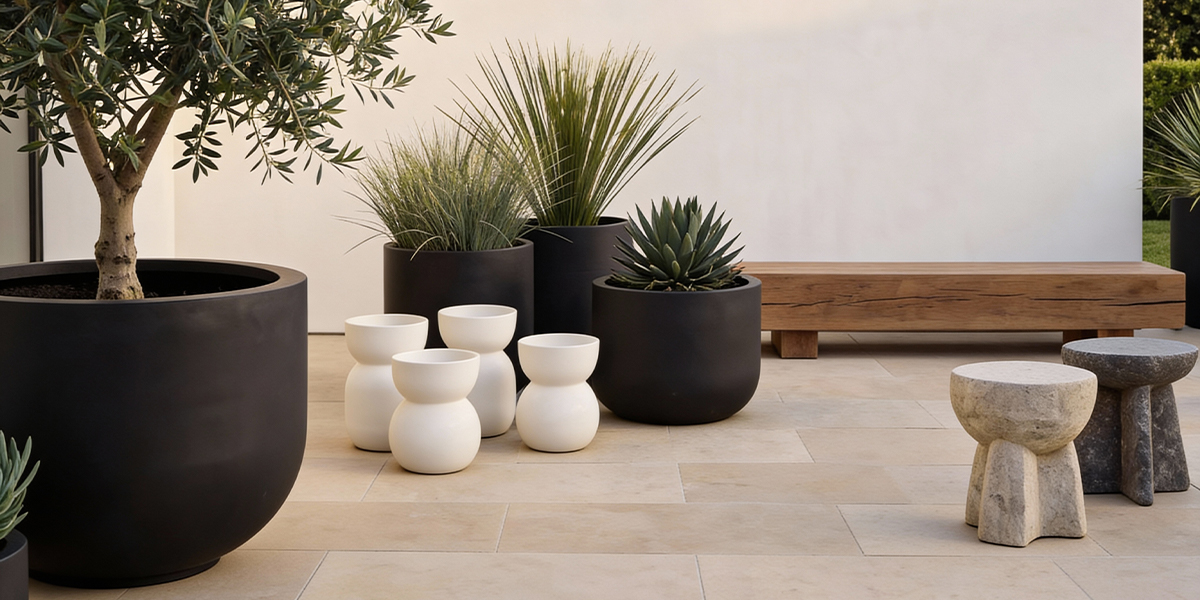 Kingmake Outdoor: Commercial Planters Designed to Match Your Project
At Kingmake Outdoor, we help hotels, resorts, distributors, and contractors build cohesive outdoor environments. While planters are often treated as a “decor item,” the most successful commercial spaces treat them like part of the overall FF&E system—coordinated with furniture, shade, and layout planning.
We support bulk orders, project-based customization, and finish consistency across product categories. If you’re designing a full outdoor package—planters, lounge seating, dining, umbrellas, and more—we can align styles so the entire space looks intentional and performs long-term.
FAQs: Commercial Outdoor Planters
What is the best material for outdoor planters?
For commercial environments, the best materials typically include fiberglass, powder-coated aluminum, GFRC, Corten steel, and commercial-grade HDPE. The “best” depends on climate, location, and whether you need stability or mobility.
What are most outdoor pots made of?
Consumer-grade outdoor pots are often made from plastic, clay, or lightweight resin. Commercial-grade planters are more likely to use fiberglass, aluminum, GFRC, or steel for durability.
What is the best material for planter boxes?
For commercial planter boxes, aluminum and fiberglass are excellent for rooftops and modern projects. GFRC and concrete are ideal for permanent, wind-exposed, or public areas needing stability.
What is the safest material for planters?
From a durability and operational standpoint, GFRC and aluminum are among the safest choices. GFRC offers stability and insulation, while aluminum offers corrosion resistance and low maintenance when properly engineered.
Do metal planters get too hot in the sun?
They can. In hot climates, choose designs with liners, insulation, or double-wall construction to protect roots and reduce heat stress.
Will Corten steel stain concrete or pavers?
It can during the early patina stage. Use feet, drainage planning, or surface protection to prevent unwanted staining in premium hardscape areas.
Is GFRC better than traditional concrete?
Often yes for commercial projects. GFRC delivers a similar look with better strength-to-weight performance and improved crack resistance.
What’s best for rooftops: fiberglass or aluminum?
Both work well. Aluminum is highly durable and modern; fiberglass offers versatile shapes and finishes. The best choice depends on design intent, liner needs, and budget.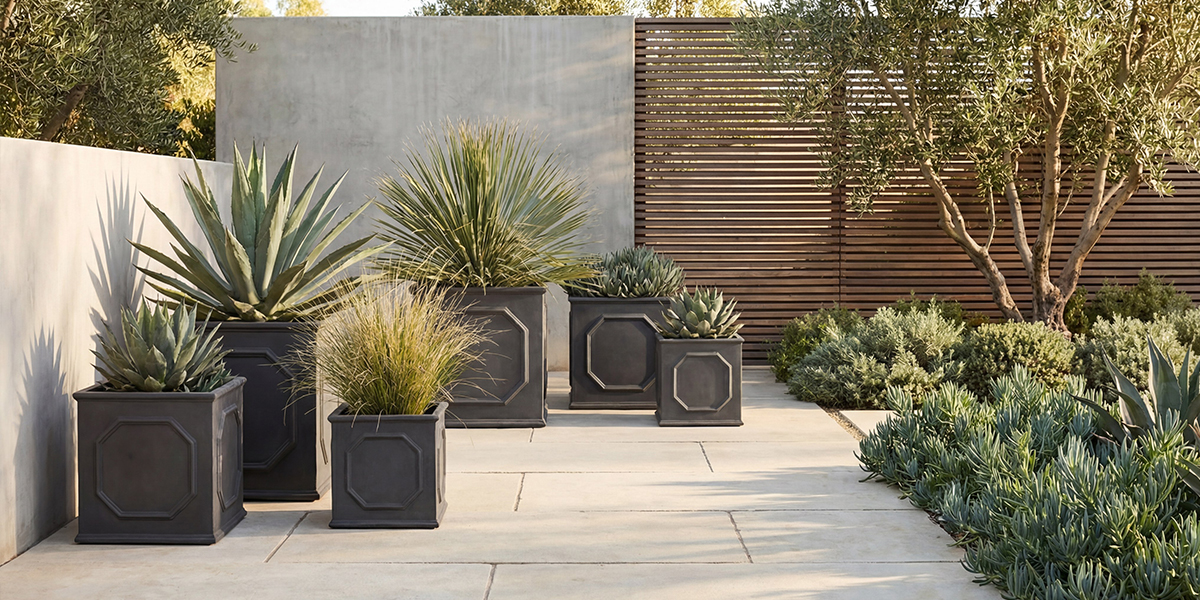
 Whatsapp
 sales@cnkingmake.com
 +8613925925021