
Best Materials for Outdoor Chairs: 9 Options Compared (2026)
Updated October 2026 · About a 10-minute read
That's the general picture. The right choice for you depends on three things: how wet, sunny or salty your climate is, what kind of chair it is (a dining chair takes different abuse than a lounger), and how much maintenance you're actually going to do. This guide compares nine common materials side by side, then breaks down the best pick by climate and by chair type.
Outdoor Chair Materials Compared
Lifespans below assume decent quality and basic care. A cheap version of any material will fall short of these numbers, and a chair left uncovered by the sea will age faster than one on a sheltered terrace.
| Material | Weather resistance | Comfort | Upkeep | Typical lifespan | Weight | Cost |
|---|---|---|---|---|---|---|
| Powder-coated aluminum | Excellent, no rust | Good with sling, rope or cushions | Low | 15–20+ years | Light | $$ |
| Grade A teak | Excellent | Very good, stays cool | Low to medium | 25–50+ years | Medium-heavy | $$$ |
| Eucalyptus / acacia | Fair to good | Good | Medium to high | 5–15 years | Medium | $ |
| Synthetic HDPE wicker | Very good | Very good, slight give | Low | 8–15 years | Light (on aluminum) | $$ |
| Outdoor rope / webbing | Very good | Excellent, breathable | Low | 5–10 years (rope), frame longer | Light | $$ |
| HDPE poly lumber | Excellent | Fair, firm and hot in sun | Very low | 20+ years | Heavy | $$ |
| Stainless steel (304/316) | Very good (316 by the sea) | Fair, gets hot | Medium | 15–20+ years | Heavy | $$$ |
| Wrought iron | Fair, rusts if chipped | Fair, needs cushions | High | 10–20 years with repainting | Very heavy | $$ |
| Molded resin / plastic | Fair, fades and gets brittle | Fair | Very low | 2–5 years | Very light | $ |
If you only read one row: aluminum frame, teak or rope details, quick-dry cushions. That combination covers most patios, hotel terraces and pool decks, and it's why you see it everywhere from beach clubs to rooftop bars.
Powder-Coated Aluminum: The Safest All-Round Choice
Aluminum doesn't rust. That one fact solves the biggest problem with outdoor metal. Add a good powder coat and you get a frame that shrugs off rain, UV and salty air, weighs a fraction of steel or iron, and needs little more than a wipe-down.
Two things separate a good aluminum chair from a cheap one:
Wall thickness and welds. Thin tubing flexes and the joints crack over time. Pick the chair up and lean on the arms. A solid chair doesn't creak or twist.
The powder coating. Proper pretreatment and a branded outdoor-grade powder hold their color for years. A thin coat chalks and peels, especially by the coast.
The one weakness is wind. A very light aluminum chair can blow across an exposed rooftop. If that's your setting, look for a heavier frame, a wider base or a woven seat that adds weight. Bare aluminum also warms up in direct sun, so slings, rope seats or cushions make a big difference to comfort.
Teak and Other Hardwoods
Grade A teak
Teak is the benchmark wood for outdoor furniture because it's packed with natural oils. Those oils keep water, rot and insects out, so teak doesn't need a protective finish to survive outside. Left alone, it weathers from honey brown to a soft silver-grey. That's a surface change, not damage. If you want to keep the golden color, clean it and apply a teak sealer once or twice a year.
Grade matters more than most buyers realize. Grade A comes from the heartwood at the center of the log, with the highest oil content and the tightest grain. Grade B is from the outer heartwood: still durable, but more variation in color. Grade C is mostly sapwood and won't last outdoors the way people expect teak to. If a teak chair seems surprisingly cheap, it's usually B or C. Also look for FSC certification so you know the wood is legally and responsibly sourced.
Comfort-wise, teak stays cooler than metal in summer and warmer in winter, which is why it's so popular for armrests even on aluminum chairs.
Eucalyptus, acacia and other budget hardwoods
Eucalyptus and acacia look similar to teak at a fraction of the price, but they have far less natural oil. Expect to oil them regularly, store them over winter and accept some cracking or graying sooner. They're a reasonable pick for a covered porch, less so for a chair that sits in rain all year. We compare the two in more detail in is acacia wood good for outdoor furniture.
At the other end, ipe is extremely dense and durable but heavy and hard to work, so you'll see it more on decking than chairs.
Synthetic Wicker and Outdoor Rope
HDPE wicker vs PVC wicker vs natural rattan
"Wicker" describes the weave, not the material, and this is where a lot of outdoor chairs go wrong. Natural rattan is an indoor material. Outside it dries out, cracks and grows mold. PVC resin wicker is cheaper but goes stiff and brittle in UV and cold, so strands start snapping after a few seasons. HDPE wicker is the one to look for: it's UV-stabilized, color runs all the way through, it stays flexible, and it doesn't absorb water.
The frame under the weave matters just as much. HDPE wicker on a powder-coated aluminum frame lasts; the same wicker on a raw steel frame will eventually leave you with rust stains bleeding through.
Outdoor rope and webbing
Hand-woven rope seats have become the go-to for modern patio chairs, and for good reason. Olefin or polyester outdoor rope is soft, breathable and dries fast after rain, so the seat doesn't stay soggy the way a thick cushion can. A tight, even weave keeps its shape; a loose one sags within a season. Webbing works in a similar way and gives a slightly firmer, more springy seat.
HDPE Poly Lumber and Plastic
HDPE poly lumber (the material behind most Adirondack-style "recycled plastic" chairs) is about as low-maintenance as outdoor furniture gets. It doesn't rot, splinter, peel or need painting, and the color goes all the way through, so scratches don't show much. Hose it down and you're done. The trade-offs: it's heavy, it's firm to sit on, and darker colors get hot in full sun.
Thin molded plastic or resin chairs are a different story. They're cheap and light, which is why so many lawn chairs and stacking chairs are made from them, but UV slowly fades them and makes them brittle. Treat them as a few-season option rather than a long-term buy.
Stainless Steel and Wrought Iron
Stainless steel is strong, heavy and stable in wind. Grade 304 is fine inland; near the sea you want 316, which handles chlorides better. Even 316 can get light brown "tea staining" in salty, humid air if it isn't rinsed regularly, so it isn't quite as hands-off as aluminum.
Wrought iron is the heaviest option and the least likely to blow away, which is its main appeal. But once the paint chips, rust starts, and you're into sanding and repainting. It also gets very hot or very cold to the touch, so it nearly always needs cushions.
Which Outdoor Chair Material Resists Rain Best?
For chairs that live uncovered in the rain, the most water-proof materials are HDPE poly lumber, powder-coated aluminum and HDPE wicker, with teak close behind. None of them absorb water or rust.
The weak point is usually the seat, not the frame. A standard foam cushion acts like a sponge and stays wet for days. If your chairs will see a lot of rain, choose sling, rope or webbing seats that drain, or cushions with quick-dry (reticulated) foam and solution-dyed fabric. And check the frame for drainage: hollow tubes and flat seat pans should have somewhere for water to escape.
Best Outdoor Chair Material by Climate
Coastal and salt air
Powder-coated aluminum, HDPE wicker or rope, and teak. Salt eats through chipped paint on steel and iron quickly, so avoid those unless they're 316 stainless. Rinse frames with fresh water every few weeks to wash salt off. Cruise ships and seafront resorts face the harshest version of this, which is why marine projects lean heavily on aluminum and teak, as we cover in our guide to choosing cruise ship outdoor furniture.
Hot, sunny and dry
UV is the main enemy. Teak and light-colored aluminum stay cooler than dark poly lumber or bare steel. Pick UV-stabilized HDPE wicker and solution-dyed acrylic or olefin fabrics, which hold their color much longer than printed polyester.
Wet and humid
Mold and mildew are the issue, mostly on cushions and softwoods. Aluminum, HDPE and teak all do well. Choose open-weave seats that dry fast and keep cushions off the chairs when they're not in use.
Cold winters and snow
Freeze-thaw cycles crack cheap plastic and PVC wicker and open up joints in budget hardwoods. Aluminum, HDPE poly lumber and teak handle cold well. Cover chairs or bring cushions inside for the winter.
Windy rooftops and high-rise balconies
Weight helps here. HDPE poly lumber, stainless steel, wrought iron and teak stay put better than light aluminum. If you prefer aluminum, go for heavier, wider-based designs or chairs with teak elements.
Best Material by Chair Type
Outdoor dining chairs
Dining chairs get moved, stacked and leaned back on every day, so you want a light, rigid frame and a seat that's comfortable for an hour-long meal. Aluminum with a rope or wicker seat is hard to beat, and teak armrests or a teak frame add warmth. Our Albert rope weave aluminum dining chair is a typical example of this build.
Lounge chairs and sun loungers
For lounging, comfort counts as much as durability. Teak, HDPE wicker and aluminum with deep, quick-dry cushions or a sling all work well. Around a pool, avoid materials that get scorching hot or stay damp. You can see how different frames and weaves are put together in our sun loungers range.
Swivel and rocking chairs
Here the moving parts matter more than the frame. Look for a stainless or sealed swivel mechanism on an aluminum or HDPE body, since a steel mechanism will seize once it rusts.
Beach, lawn and lightweight chairs
If you're carrying the chair, aluminum is the clear winner over steel. It's lighter and it won't rust from sand and salt water. Pair it with polyester or textilene fabric that dries quickly. Resin chairs are lighter still, but they're less stable and don't last as long.
Commercial, bar and pool-deck seating
Hotels, restaurants and bars need chairs that survive daily use, cleaning chemicals and constant moving. Powder-coated aluminum is the usual answer, with HDPE weaves and teak details, plus nylon glides on the feet. For high-moisture spots like a pool bar, the same logic applies to outdoor bar stools: aluminum or stainless frames, no raw steel.
Comfort: Why the Seat Matters as Much as the Frame
A chair can last 20 years and still be one nobody wants to sit in. A few things decide whether an outdoor chair is actually comfortable:
Seat material. Rope and wicker have some give and let air through. Solid poly lumber, metal and plastic are firm and need cushions for long sitting.
Cushion fabric. Solution-dyed acrylic (such as Sunbrella) and olefin resist fading and mildew far better than standard polyester.
Cushion foam. Quick-dry foam drains rain in minutes instead of hours.
Seat height and depth. Dining chairs usually sit around 45 cm (18 in) high; lounge chairs are lower and deeper. Measure against your table before you buy.
Surface temperature. Teak and rope stay pleasant in sun. Dark metal and dark plastic don't.
How to Choose Weather-Resistant Patio Chairs: A Quick Checklist
Is the frame aluminum, teak, HDPE or 316 stainless? If it's steel, is it fully coated and is the coating easy to touch up?
For teak: is it Grade A and FSC-certified?
For wicker: is it HDPE, not PVC or natural rattan?
Are fabrics solution-dyed, and is the foam quick-dry?
Can water drain out of the seat and the frame?
Are bolts and fittings stainless steel?
What's the warranty on the frame, and is it separate from the fabric and weave?
Is there a stated load capacity per seat? For commercial use, ask for it in writing.
How Kingmake Outdoor Builds Its Chairs
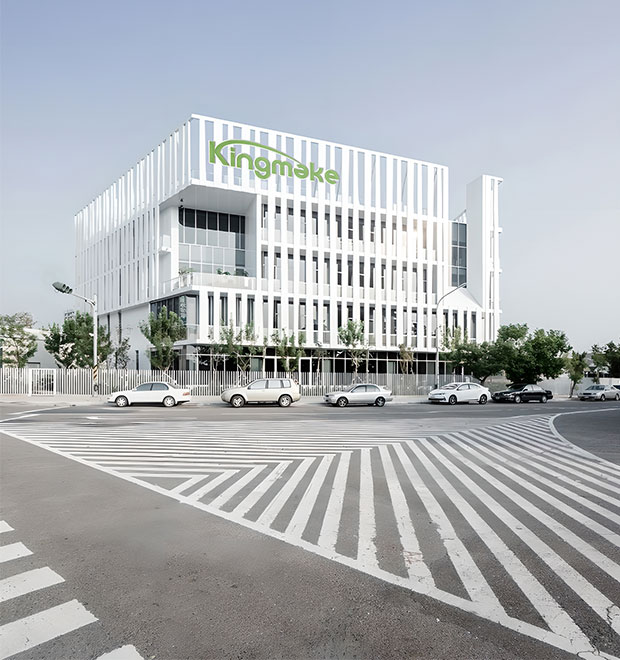
At Kingmake Outdoor, we make outdoor chairs in our Foshan factory for hotels, resorts, cruise lines, distributors and homeowners. Most of the combinations recommended above are what we build every day, mainly because they're what holds up on real projects:
Frames: powder-coated aluminum, with a choice of standard or TIGER (Austria) powder for coastal and high-UV sites.
Wood: FSC-certified Grade A teak for frames, armrests and accents.
Weaves: hand-woven outdoor rope and webbing, plus standard or REHAU synthetic rattan.
Cushions: olefin or Sunbrella fabric, with standard, fire-resistant or quick-dry foam.
Load: chairs are rated for 200 kg per seat.
Two chairs show the difference material makes on the same design: the Laguna teak chair and the Laguna aluminum chair share the same hand-woven rope seat, but one gives you the warmth of wood and the other is lighter and easier to care for. All the weaving is done by hand in our workshop; you can see how in this look at our hand-weaving process. For hotel and wholesale orders, frame finish, fabric, foam and dimensions can be adjusted through our customization service, and the chairs pair with the rest of our patio furniture collections.
How to Make Outdoor Chairs Last Longer
Clean gently. Mild soap, warm water and a soft brush work for every material on this list. Skip pressure washers on teak and woven seats.
Rinse salt off. By the sea, a quick freshwater rinse every few weeks does more for a frame than any product.
Check hardware each season. Tighten bolts, replace worn glides and touch up any chips in the coating before they spread.
Dry and store cushions. Stand them on edge after rain and bring them in for winter.
Cover in the off-season. A breathable, fitted furniture cover cuts UV and rain exposure without trapping moisture.
For a broader look at which furniture types last longest, including sofas and dining sets, see what outdoor furniture holds up the best.
FAQs
What is the best material for outdoor chairs?
Powder-coated aluminum is the best all-round choice: it doesn't rust, it's light and it needs little care. Grade A teak lasts longest and feels best, and HDPE poly lumber is the lowest-maintenance option.
What is the most durable material for outdoor furniture?
Grade A teak and HDPE poly lumber have the longest lifespans, often 20 years or more. Quality powder-coated aluminum is close behind and much lighter.
Which outdoor chair material resists rain best?
HDPE poly lumber, powder-coated aluminum and HDPE wicker don't absorb water or rust. Pair them with drainable rope or sling seats, or quick-dry cushions.
Is aluminum or resin better for lightweight outdoor chairs?
Aluminum. Resin is a little lighter, but it fades and turns brittle in UV within a few seasons. An aluminum frame stays strong for well over a decade.
Is teak or aluminum better for outdoor chairs?
Teak is warmer to the touch and lasts longer, but it's heavier and pricier. Aluminum is lighter, cheaper and needs less care. Many modern chairs combine an aluminum frame with teak arms.
Does synthetic wicker hold up outdoors?
HDPE wicker does, especially on an aluminum frame. Avoid PVC wicker and natural rattan outdoors, as both go brittle and crack in sun and rain.
What's the best material for a beach chair?
An aluminum frame with quick-drying polyester or textilene fabric. It's light to carry and won't rust from salt water or sand.
What are the most comfortable outdoor chair materials?
Hand-woven rope and HDPE wicker have a little give and stay breathable. Teak is comfortable to the touch in any season. Add quick-dry cushions with solution-dyed fabric for longer sitting.
What outdoor chair material is best near the ocean?
Powder-coated aluminum, teak and HDPE wicker or rope. If you want steel, choose 316 stainless and rinse it regularly to prevent tea staining.
 Whatsapp
 sales@cnkingmake.com
 +8613925925021