
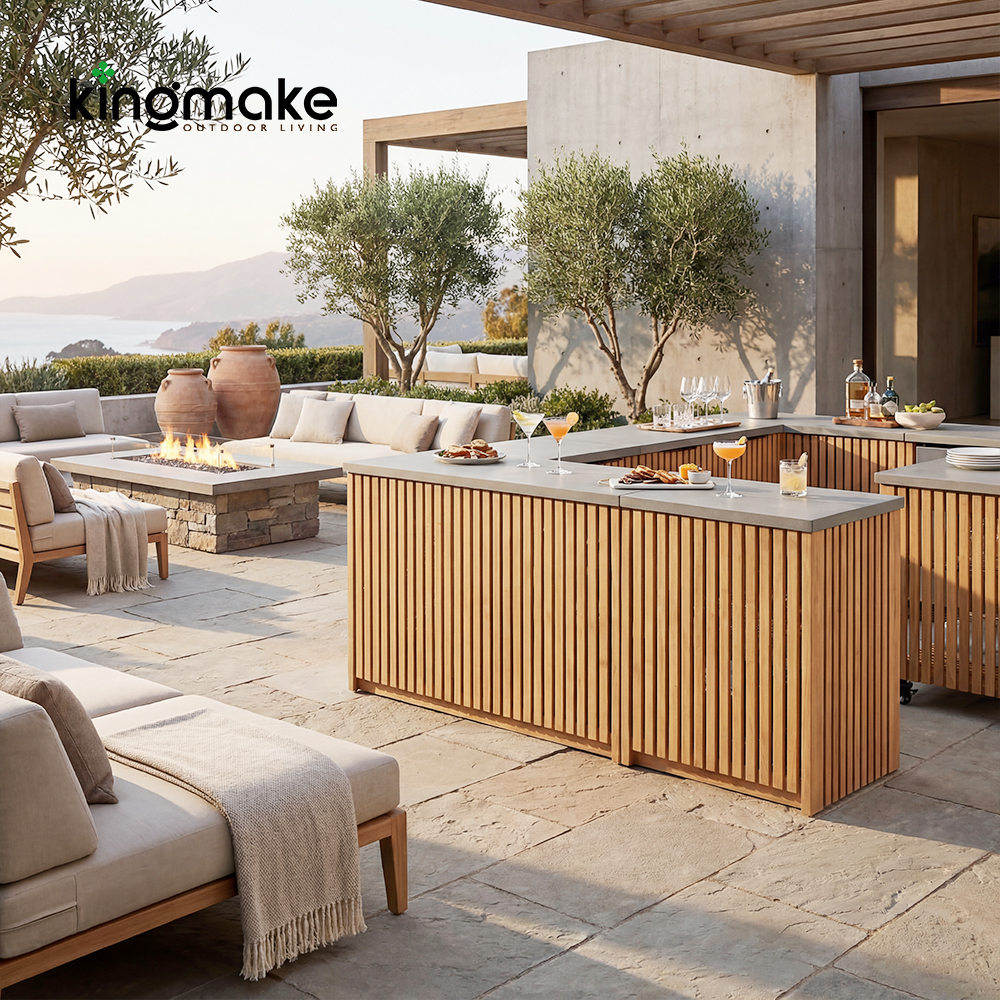
What Makes GRC Countertops Ideal for Outdoor Kitchens
Outdoor kitchens are no longer a “nice-to-have” feature. In the U.S., they’re becoming a centerpiece for resorts, hotels, restaurants, and high-end residential projects—especially in pool areas, rooftops, beachfront patios, and courtyard lounges. But outdoor cooking environments are tough on surfaces. Heat, grease, UV exposure, rain, humidity, and seasonal temperature swings all hit your countertop every day.
That’s why choosing the right countertop isn’t only about looks. It’s about performance, maintenance, and long-term value. One material that continues to gain traction in outdoor kitchen design is GRC countertops—also commonly called GFRC countertops (Glass Fiber Reinforced Concrete). If you’re comparing options like granite, porcelain, stainless steel, or traditional concrete, GRC is worth a close look.
In this guide, we’ll break down what GRC is, why it performs so well outdoors, what to spec for hospitality-grade projects, and how to decide if it’s the best countertop material for your outdoor 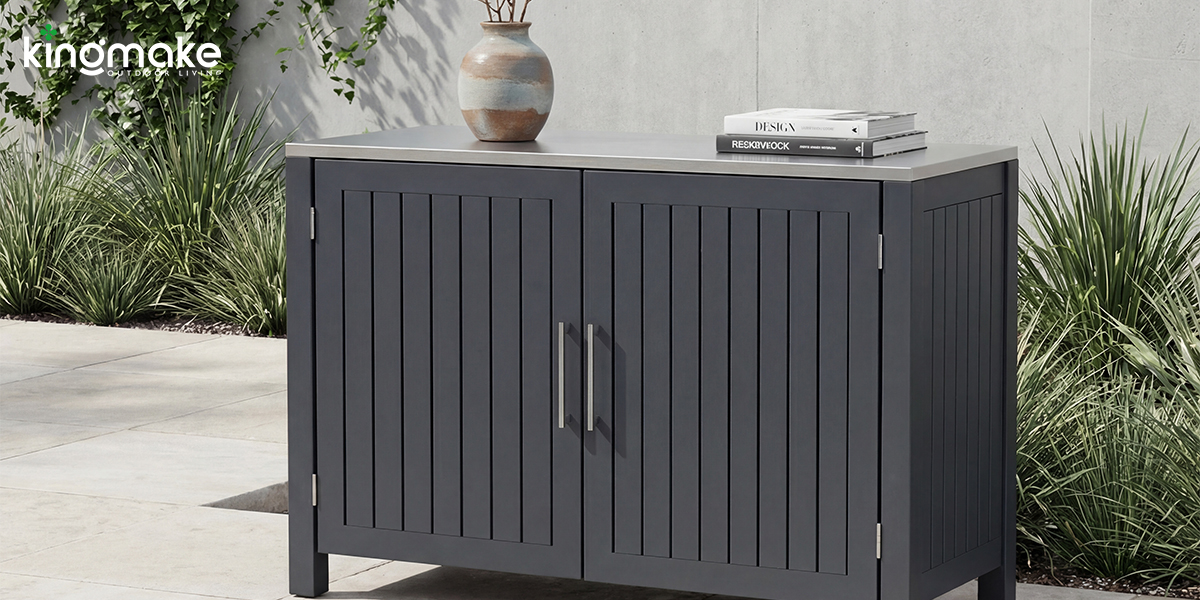
What Is GRC (GFRC) and Why Is It Different From Standard Concrete?
GRC (Glass Fiber Reinforced Concrete) is a high-performance form of concrete reinforced with alkali-resistant glass fibers. Instead of relying on thickness and heavy mass like traditional concrete, GRC uses fiber reinforcement to boost tensile strength and reduce cracking risk.
This allows GRC countertops to be produced in thinner sections while still maintaining durability, impact resistance, and structural stability. The result is a surface that can look substantial and luxurious—without the installation challenges that come with heavy poured concrete slabs.
You’ll often see both terms used:
GRC is common in architectural and construction contexts.
GFRC is commonly used in countertop and decorative concrete contexts.
For outdoor kitchens, the material benefits are the same: strong, lighter-weight concrete engineered for performance in demanding environments.
Why GRC Countertops Are Ideal for Outdoor Kitchens
If you’re searching “best outdoor kitchen countertops” or “what material is best for outdoor kitchen counters,” you’ll notice GRC showing up more frequently—because it hits an ideal balance between durability, design flexibility, and long-term practicality.
Strength That Helps Prevent Cracks and Damage
Outdoor kitchens often have structural stress points: cutouts for sinks, grill openings, corners that get bumped by bar stools, and spans over cabinet frames that can shift slightly over time.
GRC’s fiber reinforcement improves strength across the slab, helping the countertop resist cracking and chipping when properly fabricated and installed. That’s especially valuable in commercial settings where furniture is moved frequently and surfaces are cleaned constantly.
In hospitality projects, a countertop that holds its finish and shape year after year reduces replacement cycles and keeps the space looking premium.
A Lightweight Advantage That Simplifies Installation
One of the most practical reasons designers and contractors consider GRC is weight.
Traditional concrete countertops are heavy, often requiring extra structural reinforcement—especially for rooftop terraces, raised decks, or large kitchen islands. GRC is significantly lighter due to its thin-section structure, making it easier to:
transport and handle
install with less labor complexity
use in spaces where weight matters (like rooftop bars and upper-level resort decks)
This matters for both timeline and budget. Less structural reinforcement can mean fewer surprises during installation, especially on retrofit projects.
Weather Resistance for Real Outdoor Exposure
Outdoor kitchens deal with conditions that indoor surfaces never have to face. In the U.S., that often means intense UV and heat in places like Florida, Texas, Arizona, and California, along with high humidity and salt air in coastal regions.
GRC countertops are commonly chosen for outdoor use because they’re built to handle these realities better than standard concrete when properly sealed and maintained. If you’re comparing “concrete countertops outdoor kitchen” options against other materials, the key is separating traditional concrete from reinforced GRC—because GRC is engineered to reduce the cracking risk that can happen when moisture and temperature changes repeatedly stress the slab.
Design Versatility Hotels and Designers Love
If you’ve ever searched “modern outdoor kitchen countertop ideas,” you’ve likely noticed GRC showing up again and again and it’s not by accident. GRC is one of the most flexible countertop materials for outdoor kitchens because it can be engineered to match almost any design direction without forcing you into standard slab sizes or limited edge profiles.
Cast Into Custom Shapes, Profiles, and Built-In Details
GRC can be formed into clean, modern thin profiles for a sleek architectural look, or built with thick-edge illusions that deliver a premium “stone slab” feel without the heavy structural load of traditional concrete. It also supports integrated functional details—like subtle drain grooves around prep zones, smooth corner radiuses for safer guest-facing bar edges, and waterfall-style fronts that make an outdoor bar or buffet counter feel like a high-end indoor installation.
Finished to Match Stone, Concrete, or Warm Resort Tones
Beyond shape, GRC is highly adaptable in finish. It can be styled to mimic natural stone aesthetics, achieve a smooth architectural concrete look, or deliver refined matte textures that reduce glare in full sun. It also works beautifully in warmer palettes tones that pair especially well with wood-effect powder coated aluminium cabinetry, creating the upscale “resort kitchen” look that photographs well and stays consistent across a full outdoor FF&E package.
Low Maintenance When Sealed the Right Way
Many buyers search “are concrete countertops good for outdoor kitchens?” and the answer depends heavily on sealing and upkeep. GRC is relatively low maintenance compared to standard concrete.
Built for Real-World Spills and Outdoor Exposure
When sealed properly, GRC countertops stand up well to the most common outdoor kitchen issues grease and cooking oils, staining from wine and sauces, acidic splashes like citrus, and ongoing moisture exposure that can cause surface wear over time.
Simple Cleaning That Fits Hospitality Operations
Day-to-day care is straightforward: regular wipe-downs using mild, pH-neutral cleaners help protect the sealer and keep the surface looking consistent. In commercial environments, quick spill cleanup matters more than people think—especially for oils, wine, coffee, and sauces—because long dwell time is what increases stain risk on any sealed surface.
Resealing as Scheduled Preventive Maintenance
Instead of treating sealing as a one-time step, the best results come when resealing is managed like a planned operational task. Exposure and usage intensity will determine the schedule, but when resealing is handled proactively, GRC surfaces stay more stain-resistant, easier to clean, and more visually consistent year-round.
Seam-Lite Aesthetics With Cleaner Hygiene
In busy hotel and resort spaces, seams matter. More seams mean:
more places for grime to accumulate
more cleaning labor
more visual disruption in photos
GRC can often be fabricated in larger sections with fewer seams than tile surfaces, and it can look more continuous than modular slab materials. That improves both visual quality and cleaning practicality—especially in bar tops and food-service counters.
Fire-Friendly Performance Near Cooking Zones
Outdoor kitchens exist around heat. While no countertop should be abused with direct flame exposure, GRC is often chosen because it performs well near grills, pizza ovens, and hot cookware zones compared to many purely synthetic materials.
For commercial and hospitality projects, fire resistance and heat tolerance are valuable peace-of-mind features—especially in public-facing outdoor areas.
What to Specify for Hospitality-Grade GRC Countertops
Not all GRC countertops are equal. If you want long-term performance outdoors, especially for hotels and resorts, it’s important to spec correctly.
Thickness, Reinforcement, and Support Framing
GRC’s advantage is thin-section strength, but that also means the cabinet frame and substrate support matter. A well-supported installation helps prevent flexing over time, especially around grill cutouts and sink openings.
For commercial use, ask about:
reinforcement approach around cutouts
recommended support spacing
edge build-up methods for thick-look profiles
movement tolerance if the cabinet frame expands slightly in heat
Sealer Strategy (This Is the Make-or-Break Factor)
The most common performance complaints around concrete-style countertops come from sealing issues—not from the base material.
A proper outdoor sealing approach should consider:
UV exposure and recoat cycle
resistance to oils, wine, and acidic foods
whether the finish should be matte, satin, or gloss
ease of spot repair in high-traffic areas
For hotels, choose a sealer strategy that aligns with cleaning SOPs. If your staff uses aggressive chemicals, you’ll need to confirm compatibility—or adjust cleaning protocols to protect the finish.
Finish and Color Choices for Real Guest Behavior
Outdoor kitchens are public, and guests behave differently than homeowners. They may place hot items directly on the counter, spill cocktails, or leave citrus juices and sauces on the surface longer than expected.
Color also matters more outdoors. Dark colors can get extremely hot in direct sun. If your property has full-sun exposure, consider:
lighter tones for comfort
shaded layouts using pergolas or umbrellas
matte finishes to reduce glare in photography
In hospitality, comfort is part of the design decision, not just durability.
GRC vs Other Outdoor Countertop Materials (What’s Best?)
People often search “what type of countertop is best for an outdoor kitchen?” because there’s no one universal winner. The best choice depends on climate, style goals, maintenance tolerance, and budget.
Is Granite a Good Choice for an Outdoor Kitchen?
Granite can be a solid outdoor option, especially in shaded installations or mild climates. It’s naturally durable, and many designers like the premium look.
However, granite can:
get extremely hot in direct sun
require sealing
vary in how it handles staining depending on the slab and finish
GRC offers more design flexibility and can be easier to integrate with custom outdoor kitchen layouts—especially in hospitality projects that need a cohesive, branded look.
Are Concrete Countertops Good for Outdoor Kitchens?
Standard concrete can work outdoors, but it’s heavier and more prone to cracking if not properly reinforced, cured, and supported. GRC improves on traditional concrete by delivering a stronger, lighter, better-engineered alternative—especially when you need thin profiles and larger spans.
How Does GRC Compare to Porcelain or Sintered Surfaces?
Porcelain and sintered stone are popular because they can be very UV-stable and often don’t require sealing. They’re also consistent in color and pattern.
GRC’s advantage is customization: custom thickness, custom edge profiles, integrated forms and textures, the ability to create an architectural look that feels “built-in” to the space
For hospitality design, GRC often wins when you want the countertop to be part of the architecture not just a slab on top.
How Does GRC Compare to Stainless Steel?
Stainless steel is common in commercial back-of-house use and some modern outdoor kitchens. It’s easy to sanitize and handles weather well.
But it can:
scratch and show wear quickly
reflect glare in bright sun
feel more “utility” than “luxury” in guest-facing areas
GRC offers a warmer design aesthetic for guest zones while still delivering strong durability.
Common Outdoor Kitchen Fail Points (And How to Avoid Them)
Most outdoor countertop failures are preventable, but they usually come from a few repeat issues that show up in real-world hotel and residential installs.
Poor Support Under Long Spans
When countertops bridge wide cabinet runs or sit over uneven framing, even small amounts of flex can create stress over time—especially around corners and cutouts.
Rushed Curing or Improper Fabrication
Outdoor kitchens often run on tight timelines, but rushing fabrication or curing can lead to weakness, surface imperfections, or early cracking.
Wrong Sealer for Grease-Heavy Outdoor Cooking
Outdoor kitchens experience a different kind of staining than indoor kitchens—more oils, marinades, smoke residue, sunscreen, and cocktail spills. If the sealer isn’t chosen for that reality, stains and blotching can show up quickly.
Harsh Cleaners That Break Down the Protective Layer
Even the right sealer can fail early if the cleaning routine is too aggressive. Acidic cleaners, strong degreasers, or abrasive scrubbing can slowly strip the protective layer and dull the finish.
Dark Surfaces in Full Sun Without Shade Planning
This is one of the most overlooked issues. Dark countertop colors can become uncomfortably hot in direct sunlight, especially in peak summer months across the U.S.
Best Use Cases for GRC Countertops
GRC performs especially well in:
resort pool bars and swim-up counters
rooftop lounge prep stations
outdoor buffet counters and beverage bars
private cabana cooking zones
backyard outdoor kitchens where design is a priority
For coastal hotels, pairing corrosion-resistant cabinetry (like powder-coated aluminum) with GRC countertops creates a system built for salt air and humidity.
Outdoor Kitchen Systems: Pair GRC Countertops With Kingmake Outdoor Kitchens
For hotels and commercial projects, it’s best to think in systems—not individual parts.
Kingmake Outdoor offers complete outdoor kitchen solutions designed for hospitality environments, including cabinet frames engineered for outdoor exposure and countertop options that align with modern resort aesthetics.
Final Takeaway
GRC countertops are ideal for outdoor kitchens because they combine the best traits hotels and designers care about: durability, lighter weight, weather resistance, and true design flexibility. They can be made sleek and modern or warm and textured, and they pair beautifully with aluminum outdoor kitchen systems built for long-term exposure.
If you’re planning an outdoor kitchen project for a resort, hotel, restaurant, or distributor program, Kingmake Outdoor can support you from design to production and global delivery.
FAQs: GRC Countertops for Outdoor Kitchens
1) What type of countertop is best for an outdoor kitchen?
The best outdoor kitchen countertop depends on climate and maintenance expectations. GRC is ideal when you want durability, custom design, and lighter installation compared to traditional concrete.
2) Are concrete countertops good for outdoor kitchens?
They can be, but standard concrete is heavy and more likely to crack if not engineered properly. GRC (GFRC) is a stronger, lighter alternative that’s better suited for outdoor exposure.
3) Do GRC countertops crack outside?
When fabricated and installed correctly with proper support and sealing, GRC is designed to reduce cracking risk compared to traditional concrete. Like any surface, poor installation can cause problems.
4) Do GRC countertops need sealing?
Yes. Sealing is critical for stain resistance and moisture protection. Outdoor-grade sealing also helps preserve the finish under UV and weather exposure.
5) Is granite a good choice for an outdoor kitchen?
Granite can work outdoors, but it may require sealing and can get very hot in direct sun. It’s often best in shaded installations or moderate climates.
6) What’s better outdoors: GRC or porcelain countertops?
Porcelain is a strong low-maintenance option in many cases. GRC is best when you need custom forms, thick-look edges, integrated designs, and a more architectural “built-in” appearance.
7) How do you clean an outdoor GRC countertop?
Use mild cleaning products and avoid harsh acids or strong solvents. For hospitality, align cleaning SOPs with the countertop’s sealer requirements.
8) Will dark GRC countertops get too hot in the sun?
Any dark surface can heat up significantly in direct sun. Consider lighter finishes or plan shade solutions such as pergolas and patio umbrellas.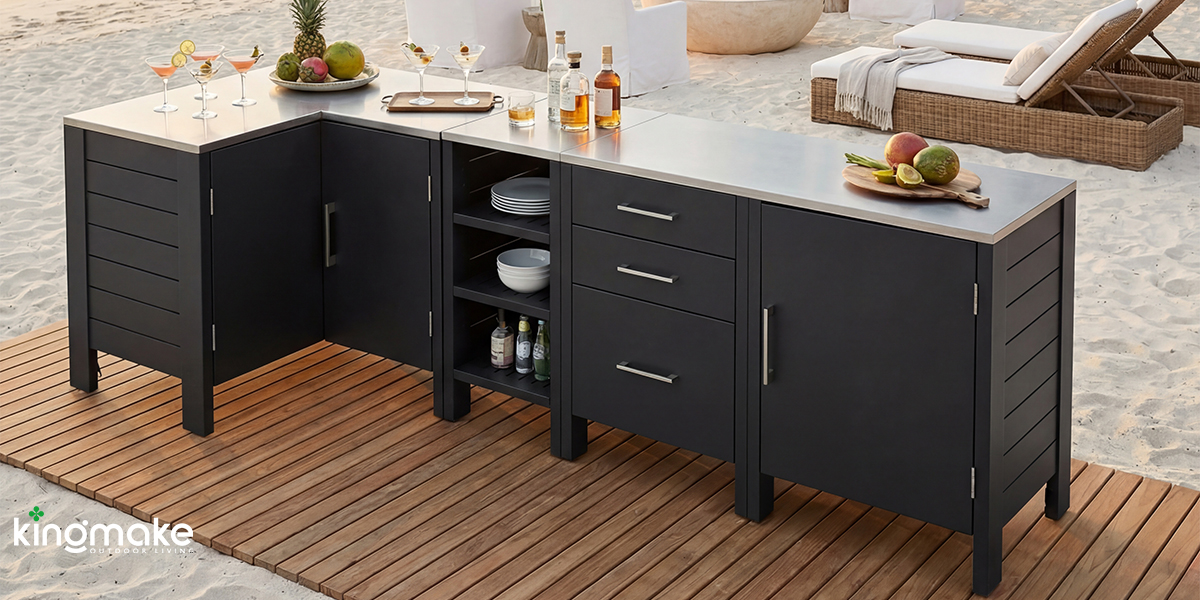
 Whatsapp
 sales@cnkingmake.com
 +8613925925021