
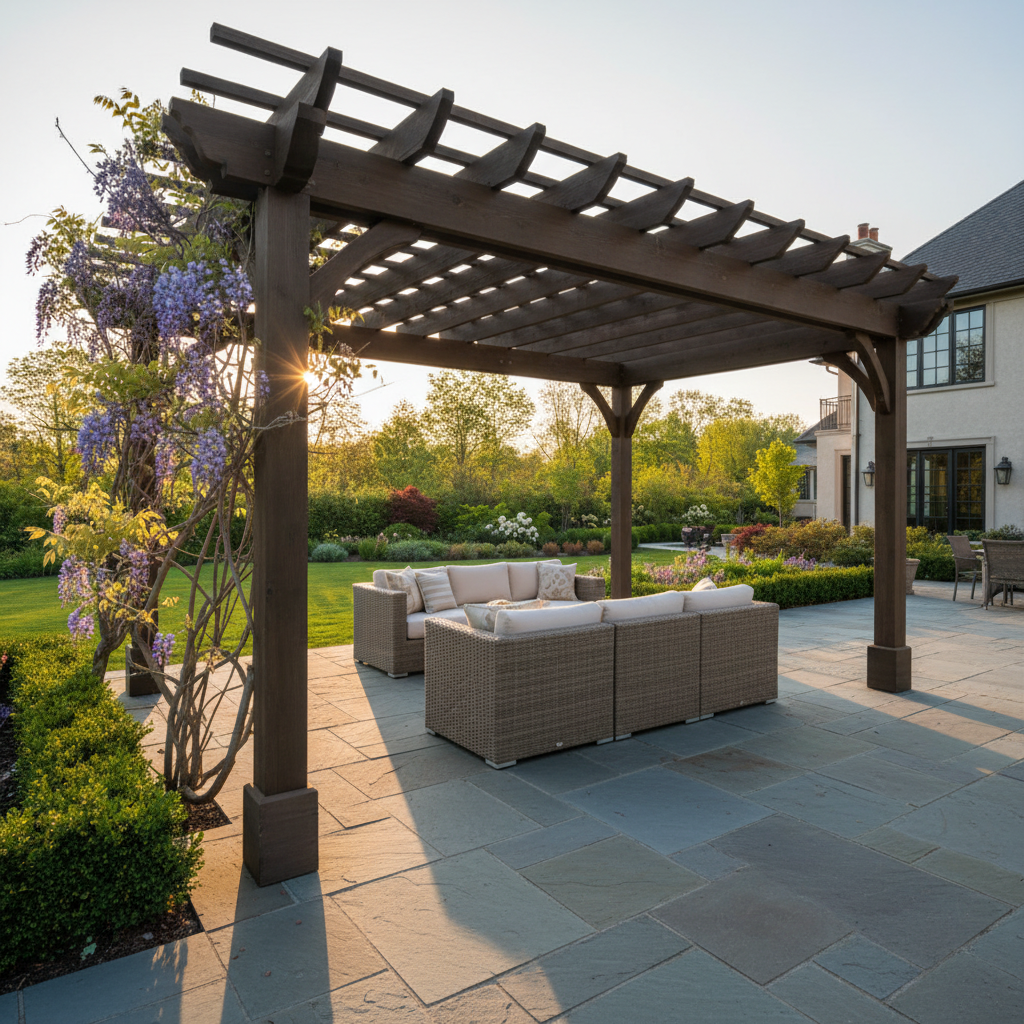
8 Key Benefits of a Pergola: Why It’s a Smart Upgrade for Outdoor Spaces
Elevate Hospitality Venues with Architectural Shade and Style
Quick Summary / Key Takeaways
-
Pergolas create structured outdoor spaces that define patios, terraces, and garden lounges, turning open areas into comfortable outdoor rooms for guests.
-
One of the key benefits of a pergola is improved comfort, as the open-beam design provides filtered shade while allowing natural airflow to cool seating and dining areas.
-
Pergolas extend the usability of outdoor spaces throughout the day and night, especially when combined with integrated lighting, fans, or heating systems for hospitality environments.
-
Installing a pergola can enhance property appeal and revenue potential, helping restaurants, resorts, and residential developments create attractive outdoor living or dining areas.
-
Choosing durable materials such as powder-coated aluminum or hardwoods like cedar or teak ensures long-term performance, reducing maintenance while maintaining a refined architectural appearance in outdoor settings.
Introduction
Creating an inviting outdoor environment is a priority for hospitality brands, property developers, and homeowners who want to maximize the value of their outdoor spaces. A well-designed pergola does more than enhance aesthetics; it introduces architectural structure that defines patios, terraces, and garden lounges while maintaining an open and welcoming atmosphere. One of the key benefits of a pergola is its ability to provide filtered shade and natural airflow, allowing guests to remain comfortable outdoors without the enclosure of a solid roof.
Pergolas also expand how outdoor areas can be used throughout the day. The open-beam structure supports integrated lighting, climbing plants, curtains, or fans, transforming simple patios into refined dining areas or relaxed lounge spaces. For restaurants and resorts, this can mean extending outdoor seating hours and creating a more memorable guest experience. For developers and homeowners, a pergola introduces architectural character that elevates the overall landscape while increasing the functionality of gardens, poolside spaces, or rooftop terraces.
This guide explores 8 key benefits of a pergola, including how it improves guest comfort, increases property appeal, extends outdoor usability, and delivers long-term durability when built with high-quality materials. For projects that require professionally engineered pergolas designed for hospitality, residential, or commercial outdoor spaces, Kingmake Outdoor delivers durable structures built for long-term performance and refined architectural appeal. Designed to elevate outdoor spaces. Built to last.
Pergola Material Benefits Comparison for Outdoor Spaces
| Pergola Material | Durability Level | Maintenance Level | Key Benefit for Outdoor Spaces |
|---|---|---|---|
| Powder-Coated Aluminum | Very High | Low | Long-term weather resistance with minimal maintenance |
| Western Red Cedar | High | Medium–High | Natural warmth and visual harmony with landscapes |
| Vinyl / PVC | Medium | Low | Consistent finish and easy upkeep for residential patios |
| Structural Steel | Very High | Medium | High structural strength for large pergola installations |
Pergola Benefits for Hospitality and Property Value
| Benefit Category | What Improves | Typical Impact | Primary Driver |
|---|---|---|---|
| Guest Comfort | Outdoor Seating Usability | Longer guest dwell time | Shade and airflow |
| Revenue Potential | Patio Seating Capacity | Higher table utilization | Weather-protected outdoor areas |
| Property Appeal | Perceived Property Value | Stronger buyer or guest interest | Architectural enhancement |
| Marketing Visibility | Visual Engagement | Increased photo sharing and social exposure | Distinctive outdoor design |
Pergola Planning Checklist for Maximizing Outdoor Space Benefits
-
Conduct a detailed site analysis to understand sun orientation, prevailing wind patterns, and natural shade conditions before installing a pergola.
-
Select durable, weather-resistant materials such as powder-coated aluminum or naturally resilient hardwoods that complement the surrounding architecture and landscape design.
-
Review local building codes and permitting requirements for permanent outdoor structures to ensure compliance before construction begins.
-
Plan for integrated features such as lighting, fans, or curtains to extend the usability of the pergola throughout the day and evening.
Pergola Maintenance and Optimization Checklist for Long-Term Value
-
Gather feedback from guests or residents regarding comfort, shade coverage, and seating layout to refine the usability of the pergola space.
-
Establish a seasonal cleaning and inspection routine to maintain finishes, hardware, and structural stability in outdoor environments.
-
Maintain climbing plants, greenery, or surrounding landscaping so the pergola continues to feel inviting and visually balanced within the outdoor setting.
-
Monitor shade performance during peak summer months and adjust louvers, curtains, or lighting systems to keep the space comfortable throughout the year.
Table of Contents
Section 1: COMFORT AND FUNCTIONAL BENEFITS OF PERGOLAS
Section 2: FINANCIAL AND PROPERTY VALUE BENEFITS
Section 3: DESIGN, MATERIAL, AND SUSTAINABILITY BENEFITS
Frequently Asked Questions
Section 1: COMFORT AND FUNCTIONAL BENEFITS OF PERGOLAS
FAQ 1: How do pergolas improve guest comfort?
Pergolas improve guest comfort by providing filtered shade while maintaining open airflow, creating a cooler and more enjoyable outdoor environment. The overhead rafters reduce direct sunlight and soften harsh UV exposure without completely blocking natural light. This balance helps moderate temperatures in seating or dining areas, allowing guests to stay comfortable for longer periods, even during peak daylight hours.
Pergolas also support additional comfort features such as adjustable louvers, curtains, fans, or integrated lighting, which help adapt the space to changing weather conditions. Durable structures built from powder-coated aluminum or naturally resilient wood materials are designed to withstand outdoor exposure while maintaining a refined architectural presence. These enhancements transform patios, garden lounges, and resort terraces into comfortable outdoor destinations where guests can relax, dine, or socialize throughout the day.
FAQ 2: How does a pergola define outdoor space?
A pergola defines outdoor space by creating a clear architectural frame that organizes an otherwise open area into a functional outdoor room. The vertical posts and overhead structure establish boundaries that guide how people move, gather, and interact within the space. Unlike solid roofs, the open rafter design preserves airflow and sightlines while still giving patios, terraces, or garden lounges a structured layout that feels intentional and refined.
Pergolas are often used to anchor outdoor dining areas, poolside lounges, or garden seating zones, helping large outdoor environments feel more cohesive and welcoming. Modern structures built with powder-coated aluminum frames, adjustable louvers, or curtain systems can further enhance privacy, shade control, and spatial definition. These elements allow the pergola to act as both a design centerpiece and a practical framework for lighting, décor, or climbing plants.
FAQ 3: How do pergolas extend the usability of outdoor spaces throughout the day and night?
Pergolas extend the usability of outdoor spaces by combining structured shade during the day and integrated lighting after sunset. During daylight hours, the overhead beams or adjustable louvers filter direct sunlight while maintaining airflow, creating a comfortable environment for patios, poolside lounges, and garden dining areas. In hospitality settings, pergolas built from powder-coated aluminum frames or durable hardwoods such as cedar or teak provide reliable shade without fully enclosing the space, allowing guests to enjoy outdoor environments for longer periods.
As evening approaches, integrated LED strip lighting or recessed puck lights installed along pergola beams or rafters allow the space to remain functional without adding visual clutter. Many modern pergola systems support dimmable lighting channels built directly into the structure, making it easy to adjust brightness for dining, social gatherings, or relaxed lounge settings. When lighting is integrated into weather-resistant aluminum frames or structural beams, the fixtures stay protected from the elements while maintaining a refined architectural look.
Section 2: FINANCIAL AND PROPERTY VALUE BENEFITS
FAQ 4: What are the financial benefits of having a pergola?
A pergola provides financial value by expanding usable outdoor space without the cost of a full building extension. Restaurants, resorts, and hospitality venues often use pergolas to transform open patios into comfortable shaded dining areas, increasing seating capacity and allowing the space to operate more consistently throughout the day. By improving comfort and structure, pergolas help businesses accommodate more guests while maintaining a refined outdoor environment.
Long-term durability also contributes to the financial benefit. Structures built with powder-coated aluminum frames or naturally resilient wood materials are designed for continuous outdoor exposure with minimal maintenance. This durability supports long service life and reliable performance, which helps property owners maximize their return on investment while enhancing the overall appeal of the outdoor space.
FAQ 5: Can pergolas increase property value for developers?
Yes. Pergolas can increase property value by enhancing both visual appeal and functional outdoor space, which are key factors for residential and hospitality developments. A well-designed pergola introduces architectural structure to patios, rooftop terraces, and garden areas, making outdoor environments feel more intentional and usable. Developers often use pergolas to transform open landscapes into shaded dining areas, lounge zones, or poolside retreats that elevate the overall presentation of the property.
Durable pergola systems built from powder-coated aluminum or naturally resilient wood materials also support long-term value because they require minimal maintenance and maintain their appearance in outdoor environments. For developers and hospitality projects, these structures add a refined design element that can make outdoor spaces more attractive to buyers, guests, or tenants, helping properties stand out in competitive markets.
FAQ 6: Why build a pergola for a restaurant patio?
Building a pergola for a restaurant patio helps create a comfortable, structured outdoor dining environment that attracts guests who prefer open-air seating. The overhead structure provides filtered shade and supports additions such as fans, heaters, curtains, or integrated lighting, allowing the patio to remain usable during different times of day and across multiple seasons. This makes outdoor dining areas more reliable and appealing for guests, especially in hospitality settings where ambiance and comfort influence the dining experience.
Pergolas also allow restaurants to expand usable seating capacity without major structural construction. Durable systems built from powder-coated aluminum frames with adjustable louvers or weather-resistant materials are designed to handle continuous outdoor exposure while maintaining a refined architectural look. By creating a defined dining zone that remains comfortable in changing weather conditions, pergolas help restaurants maximize the value and usability of their outdoor space.
Section 3: DESIGN, MATERIAL, AND SUSTAINABILITY BENEFITS
FAQ 7: How do durable pergola materials reduce maintenance and long-term costs?
Durable materials significantly reduce pergola maintenance and long-term costs by resisting corrosion, moisture damage, and UV exposure over many years of outdoor use. Powder-coated aluminum frames are widely used in modern pergola systems because they maintain structural stability and finish integrity even in demanding environments such as coastal resorts, rooftop terraces, and poolside hospitality spaces. The powder-coated surface protects the aluminum from rust, fading, and weather damage, allowing the structure to remain visually refined with minimal upkeep.
Naturally durable hardwoods such as cedar or teak are also valued for pergola construction because their natural oils help resist rot, insects, and humidity. However, hardwood pergolas typically require periodic sealing or refinishing to preserve their appearance. For commercial projects and hospitality environments where reliability and low maintenance are priorities, powder-coated aluminum pergolas with integrated features such as adjustable louvers, lighting channels, or curtain systems offer a long-lasting solution that balances durability, architectural design, and operational efficiency.
FAQ 8: How do pergolas strengthen the connection between outdoor architecture and nature?
Pergolas help bridge architecture and nature by creating a structured framework that supports climbing plants, hanging greenery, and vertical garden elements. The open-beam design allows sunlight, airflow, and vegetation to interact naturally with the surrounding environment while still providing a defined outdoor structure. In hospitality spaces such as resort terraces, garden lounges, and villa patios, pergolas often support vines like jasmine, wisteria, or bougainvillea, forming a natural canopy that softens the architectural lines of the structure.
This approach aligns with biophilic design principles, which emphasize integrating natural elements into built environments to improve guest comfort and visual harmony. Pergolas built from durable materials such as powder-coated aluminum or naturally resilient hardwoods like cedar and teak provide the structural strength needed to support greenery over time while maintaining a refined architectural presence. The result is an outdoor space that feels both designed and organic, enhancing the overall experience of gardens, patios, and landscaped courtyards.
 Whatsapp
 sales@cnkingmake.com
 +8613925925021