Hospitality design is shifting back toward materials with visible craftsmanship and lasting character, and wrought iron patio furniture is at the center of that shift. Boutique hotels, courtyard restaurants, and resort lobbies are pairing natural textures with heritage metalwork to create outdoor spaces that photograph well and hold up under daily commercial use. For procurement managers and developers, the real question isn't whether iron furniture looks good in a rendering. It's whether a supplier can deliver consistent quality, meet a project deadline, and support the piece with a coating process that survives years of sun, salt air, and rain without costly maintenance.
The Timeless Appeal of Wrought Iron Outdoor Furniture
Wrought iron has furnished courtyards, verandas, and gardens for well over a century, and that visual language still reads as quality today. The scrollwork, the slim silhouettes, and the hand-finished joints give
wrought iron outdoor furniture a presence that aluminum or resin pieces rarely match on their own.
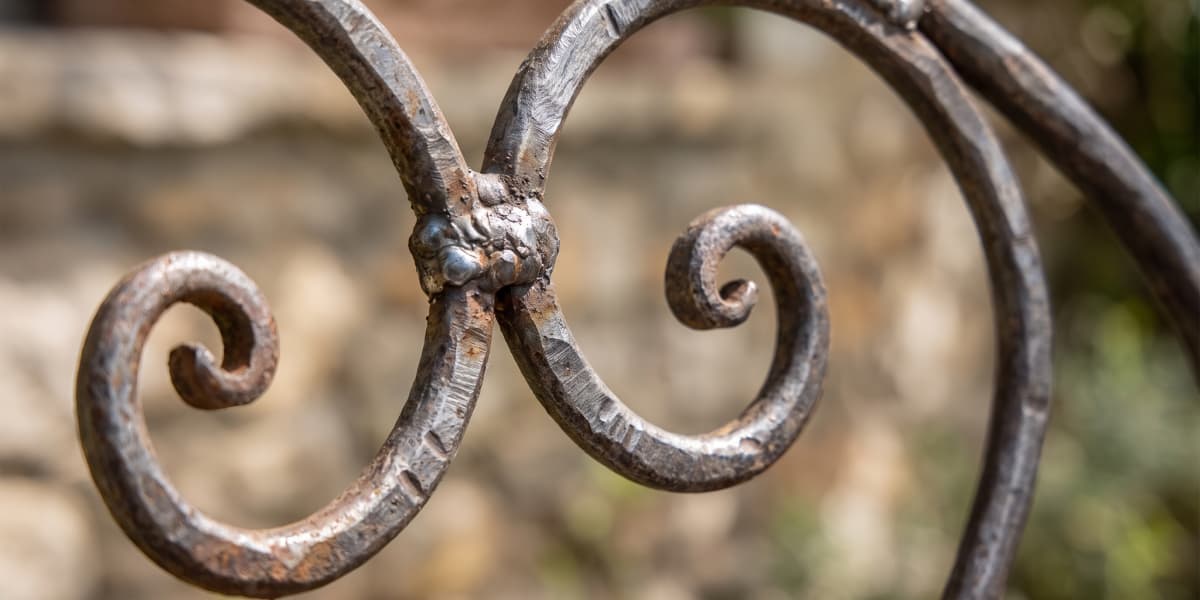
For properties leaning into a vintage patio furniture look or a rustic outdoor furniture theme, iron frames provide an authentic anchor rather than an imitation of one.
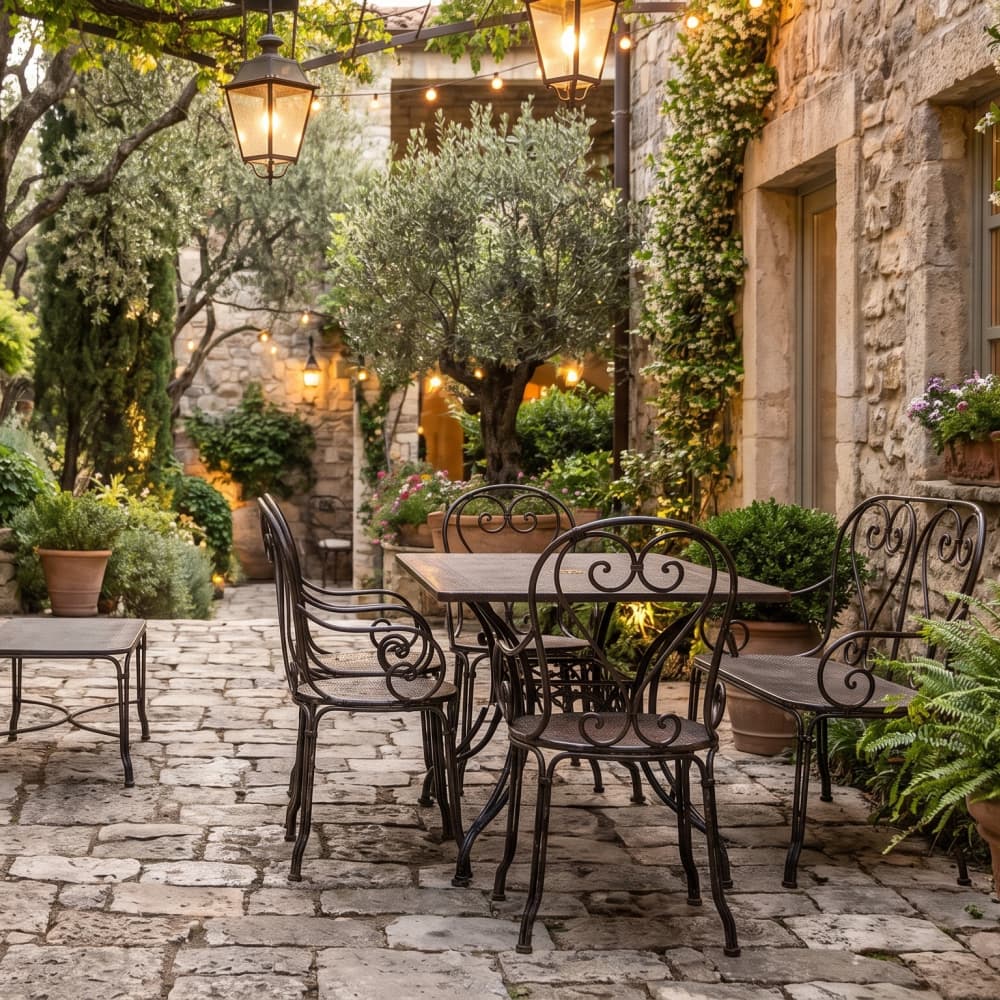
This appeal isn't only aesthetic. Iron furniture communicates permanence to guests, which matters for hospitality brands trying to signal investment in their outdoor spaces. A well-specified iron dining set or lounge chair collection tells guests that a property was built to last, not furnished with disposable pieces. That perception supports pricing power for resorts and restaurants, and it's one reason architects and interior designers keep specifying iron outdoor furniture for boutique and heritage-style projects.
At the same time, buyers should recognize that the classic look comes with practical trade-offs around weight, weatherproofing, and lead times, which is why sourcing from an experienced manufacturer matters more with iron than with most other materials.
Kingmake Metal-Frame Collections
Kingmake's core
outdoor chair and
outdoor sofa collections are currently built primarily on aluminum frames, which give hospitality buyers a lighter, lower-maintenance option for large-scale poolside and terrace deployments. For projects that specifically call for the character of
cast iron patio furniture or wrought iron detailing, our metal-frame program offers it as a customization path, allowing designers to specify iron components, decorative scrollwork, or hybrid iron-and-aluminum construction within a single collection.
This structure gives procurement teams flexibility. A resort might order aluminum dining sets for high-traffic pool decks while specifying iron-framed lounge seating for a heritage lobby garden, all sourced from one manufacturing partner. Buyers evaluating
our full product range can identify which base collections accept iron or cast-iron customization and plan quantities, finishes, and delivery timelines accordingly, rather than juggling separate suppliers for each material.
Working with a single factory across materials also simplifies quality control and warranty management, which matters when a project spans multiple furniture categories and installation phases.
Anti-Rust Coating & Weatherproofing Process
Rust is the single biggest concern buyers raise about iron patio furniture, and it's a fair one. Untreated iron corrodes quickly in humid or coastal environments, so the coating process determines whether a piece lasts five years or fifteen. A properly weatherproofed frame goes through several stages before it ever reaches a job site.
Surface degreasing and sandblasting to remove mill scale and contaminants
Phosphate pretreatment to improve coating adhesion and add a first layer of corrosion resistance
Electrostatic powder coating applied in a controlled booth for even, full coverage
High-temperature curing to bond the coating to the metal surface
Quality inspection for coating thickness, color consistency, and edge coverage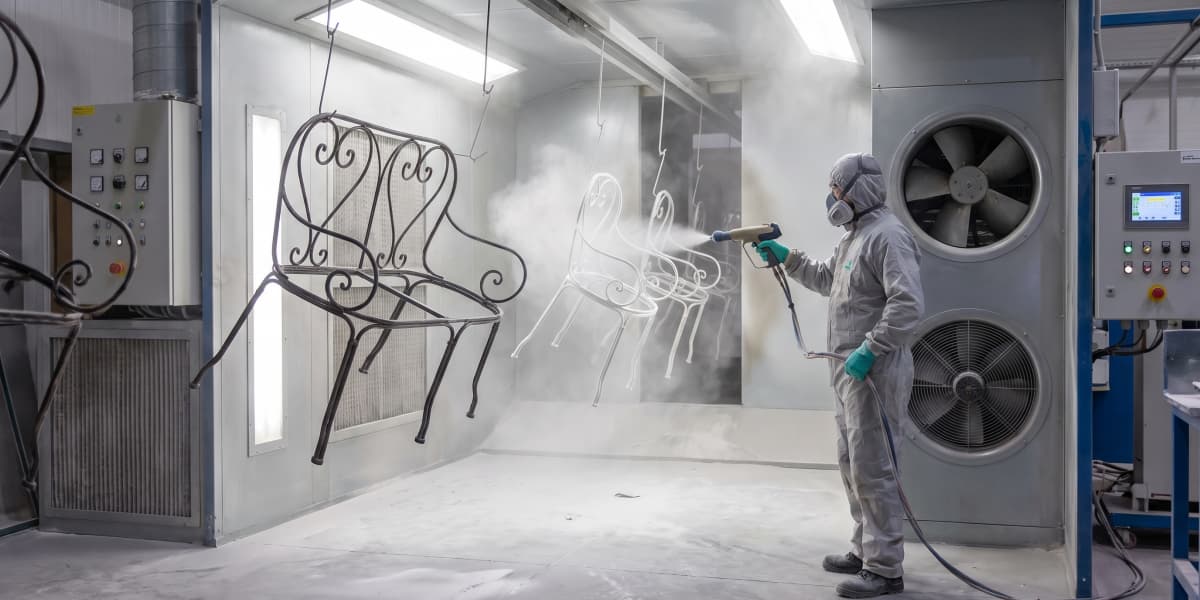
This sequence is what separates commercial-grade weather resistant patio furniture from decorative pieces meant for mild climates. For coastal resorts or properties near saltwater, buyers should also ask suppliers about marine-grade coating options and warranty terms specific to corrosion, since standard finishes may not carry the same protection near the ocean.
Wrought Iron vs Cast Iron: What's the Difference?
Buyers frequently use "wrought iron" and "cast iron" interchangeably, but the two materials behave differently in outdoor commercial settings, and the distinction affects everything from weight to repair cost.
Wrought iron is worked and shaped while heated, producing a fibrous internal structure that makes it more flexible and resistant to cracking under impact. Cast iron is poured into molds, giving it more design freedom for ornate detailing but making it more brittle and prone to cracking if dropped or struck. Modern cast iron outdoor furniture production has improved significantly, and reputable manufacturers now produce cast components that hold up well in commercial use when properly finished.
Comparison Table: Wrought Iron vs Cast Iron vs Aluminum
| Feature | Wrought Iron | Cast Iron | Aluminum |
| Weight | Heavy | Very heavy | Light |
| Impact resistance | Good, flexible | Lower, can crack | Good |
| Design detail capability | High (scrollwork, hand-forged) | Very high (molded detail) | Moderate |
| Rust risk (uncoated) | High | High | None (does not rust) |
| Typical maintenance | Moderate to high | Moderate to high | Low |
| Best commercial use | Boutique hotels, heritage projects | Statement pieces, ornate seating | High-volume pool decks, resorts |
| Relative cost | Mid to high | Mid to high | Mid |
For most large-volume hospitality projects, a blended approach works best: aluminum for high-traffic zones where weight and low maintenance matter most, with patio cast iron furniture or wrought iron pieces reserved for lobbies, courtyards, and other lower-traffic areas where character and detail carry more weight than stackability or shipping efficiency.
Custom Colors, Patterns & Branding for Hospitality Projects
Hospitality brands rarely want an off-the-shelf finish. Custom colors, textured powder coats, and brand-aligned patterns let a hotel group carry its visual identity across every outdoor touchpoint, from lobby seating to poolside dining. Kingmake's
customization program covers color matching to brand palettes, decorative scrollwork variations, and fabric or cushion coordination for iron and cast iron frames alike.
This matters most for multi-property groups and franchise developers who need visual consistency across locations built at different times. Locking in a documented color code, coating spec, and pattern reference at the start of a relationship means a reorder three years later can match the original installation, which protects the brand's design standards without requiring a full re-specification process each time.
OEM and ODM buyers, including distributors and outdoor furniture brands building their own product lines, can also use this customization path to develop proprietary designs rather than reselling generic catalog pieces, which supports better margins and clearer brand differentiation in competitive markets.
Where Wrought Iron Furniture Works Best
Iron furniture isn't the right fit for every outdoor zone, but it excels in specific settings within
luxury outdoor furniture programs and boutique hospitality projects.
Boutique hotel courtyards where guests linger and the furniture becomes part of the architectural story
Restaurant patios with moderate turnover, where character matters more than stackability
Resort lobby gardens and entry areas, which set the first impression for arriving guests
Villa and private residence terraces within larger resort developments
Heritage or historic-district properties where design continuity with older architecture is a priority
It tends to work less well in high-turnover pool decks or beach areas with heavy sand and constant sun exposure, where lighter, corrosion-immune materials such as aluminum or
teak outdoor furniture are typically more practical. Matching the material to the zone, rather than using one material property-wide, is usually the more cost-effective long-term strategy for
commercial outdoor furniture programs.
What to Evaluate Before Ordering Commercial Outdoor Furniture
Before placing a bulk order, procurement teams and developers should work through a short evaluation checklist to reduce project risk.
Confirm the coating process and ask for corrosion test data or warranty terms in writing
Request material certifications for iron, cast iron, or aluminum components
Clarify lead times against the project's installation schedule, including any customization delays
Ask for sample finishes and colors before committing to full production
Review the supplier's experience with hospitality-scale or hotel outdoor furniture projects specifically
Confirm packaging and shipping methods to prevent coating damage in transit
Verify after-sales support for touch-up coating, replacement parts, or future reorders
Compare total landed cost, not just unit price, including duties, freight, and installation
Working through this list before issuing a purchase order helps avoid the two most common problems buyers report with iron furniture sourcing: coating failure within the first two years, and mismatched reorders that don't match the original color or pattern.
Sourcing Considerations for Distributors and Importers
Distributors and importers evaluating wrought iron outdoor furniture suppliers should look beyond catalog photos. Factory audits, minimum order quantities, and the ability to support wholesale outdoor furniture programs at scale all affect whether a partnership will hold up across multiple purchase cycles. A manufacturer with in-house R&D and coating facilities, rather than a trading company reselling third-party production, typically offers more consistent quality control and faster resolution when issues do arise.
FAQ
Does wrought iron outdoor furniture rust over time?
Yes, if the coating is inadequate or damaged, iron will corrode when exposed to moisture. A properly applied powder coating system with phosphate pretreatment significantly slows this process and can protect the frame for many years with routine care.
Is wrought iron heavier than aluminum outdoor furniture?
Yes, considerably. Wrought iron and cast iron pieces are typically several times heavier than comparable aluminum designs, which affects shipping cost, handling labor, and how easily furniture can be rearranged for events or cleaning.
How do I prevent wrought iron patio furniture from rusting?
Choose furniture with a quality powder-coated finish, inspect it periodically for chips or scratches that expose bare metal, touch up damaged areas promptly, and consider covers or seasonal storage in harsh climates. Coastal properties should ask suppliers about marine-grade coating options.
What's the difference between wrought iron and cast iron furniture?
Wrought iron is shaped while heated and has a more flexible, fibrous structure, making it more resistant to cracking. Cast iron is poured into molds, allowing for more intricate ornamental detail but making it more prone to cracking under impact.
Can wrought iron furniture be customized with brand colors for a hotel chain?
Yes. Reputable manufacturers offer custom powder coat colors, pattern variations, and cushion or fabric coordination so multi-property brands can maintain consistent design standards across locations.
Is iron or aluminum better for a large resort project?
It depends on the zone. Aluminum generally suits high-traffic, high-volume areas due to its light weight and corrosion resistance, while iron works well in lower-traffic, design-focused spaces like lobbies and courtyards where visual character is a priority.
Conclusion
Wrought iron patio furniture remains a strong choice for hospitality and commercial projects that want visible craftsmanship and long-term design character, provided the sourcing decisions around coating quality, material selection, and supplier reliability are made carefully. Buyers who match iron and cast iron pieces to the right zones of a property, verify weatherproofing processes, and confirm customization and reorder support tend to see the best return on these investments.
With more than 18 years of experience supplying hotels, resorts, and distributors worldwide, Kingmake offers a one-stop solution spanning design, manufacturing, customization, and quality control for
commercial outdoor furniture programs. Whether a project calls for iron-framed accent seating, aluminum-based collections for high-traffic zones, or a blended material strategy across an entire property, our team can help procurement managers, developers, and outdoor furniture brands plan a durable, brand-consistent outdoor furniture program from first sample to final delivery.
Explore our full product range or
visit our homepage to start a conversation about your next project.

 Whatsapp
 sales@cnkingmake.com
 +8613925925021