Introduction
More homeowners and hospitality designers are investing in their outdoor spaces than ever before. According to industry reports in 2025, the global outdoor furniture market continues to grow, with consumers prioritizing comfort and durability for patios, gardens, and resort settings. A key part of that comfort equation? Outdoor furniture cushions. Whether you are outfitting a backyard patio, upgrading a hotel terrace, or simply replacing worn seating pads, choosing the right cushions makes a real difference in how long your furniture performs and how good it looks. This guide walks you through everything — from material choices and Sunbrella options to replacement tips and cleaning routines — so you can make a confident, well-informed decision.
Why Outdoor Furniture Cushions Matter More Than You Think
Outdoor patio furniture cushions do more than add softness to a seat. They protect the furniture frame underneath, add color and personality to an outdoor space, and determine how comfortable guests actually feel. When cushions are well-made, they hold up through rain, UV exposure, and heavy use without losing their shape or appeal. When they are poor quality, they flatten quickly, grow mold, or fade after just one summer season.
The challenge is that outdoor cushions face much harsher conditions than indoor upholstery. Direct sunlight, humidity, salt air, and temperature swings all take a toll. This is why selecting the right cushion — and knowing when to replace or refresh — matters so much for anyone who wants a functional, attractive outdoor living space.
Types of Outdoor Furniture Cushions
Not all cushions for outdoor furniture are built the same way. Understanding the different types helps you choose the right fit for your specific setup.
Seat Cushions and Chair Cushions for Outdoor Furniture
Seat cushions are the most common type, designed to sit flat on dining chairs, lounge chairs, or patio benches. Chair cushions for outdoor furniture typically range from 2 to 4 inches thick and are shaped to match standard chair dimensions. They usually include ties or velcro strips to keep them secure in windy conditions.
Back Cushions and Sofa Cushions
Back cushions add lumbar support and make extended outdoor lounging far more comfortable. They are often paired with seat cushions as part of a coordinated set on outdoor sofas and sectionals. Matching sets give a clean, well-designed look to any patio arrangement without much effort.
Sun Lounger and Daybed Cushions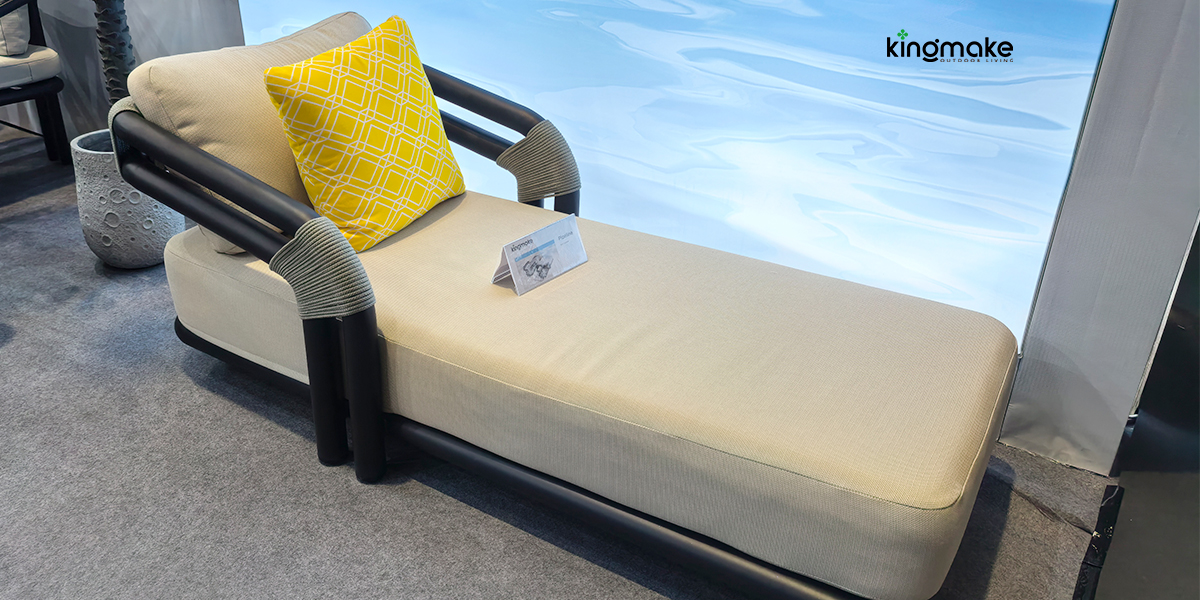
Sun lounger cushions are longer, thinner pads designed to cover the full surface of a lounge chair or outdoor daybed. They are especially popular at pool areas and resort terraces where guests spend extended time lying down. Quick-drying ability and saltwater resistance are the two most important qualities here.
Do You Always Need Cushions on Outdoor Furniture?
Some outdoor furniture designs work perfectly without cushions. Teak wood and woven rope pieces are built with ergonomic curves and textured surfaces that deliver natural comfort on their own. In commercial hospitality settings, outdoor furniture without cushions can actually reduce maintenance demands while still looking and performing well.
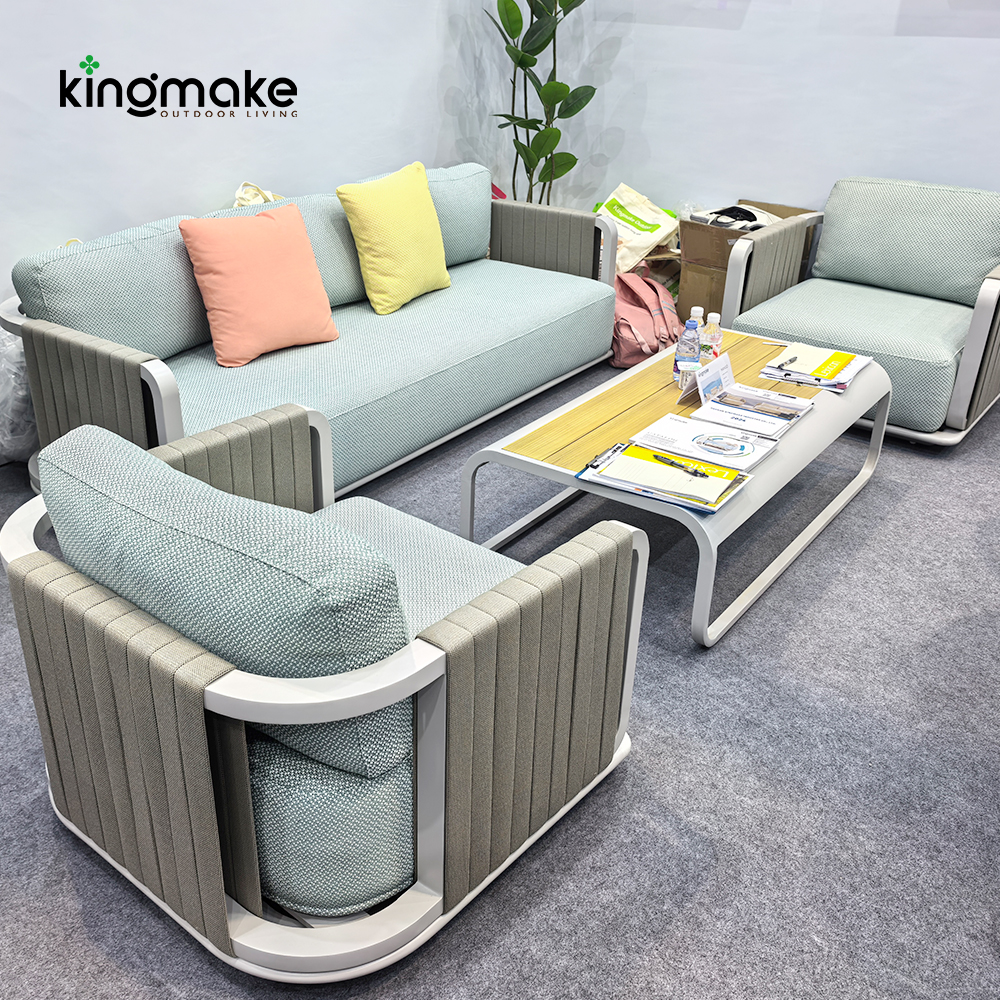
Kingmake's outdoor sofa collection includes both cushioned and cushion-free configurations, giving designers the flexibility to choose based on the environment and use case.
How to Choose the Right Cushion for Outdoor Furniture
Selecting the wrong cushion is a costly mistake that many people make by focusing only on color or price. Here are the factors that actually determine whether a cushion will perform well season after season.
Foam Type — The Foundation of Comfort
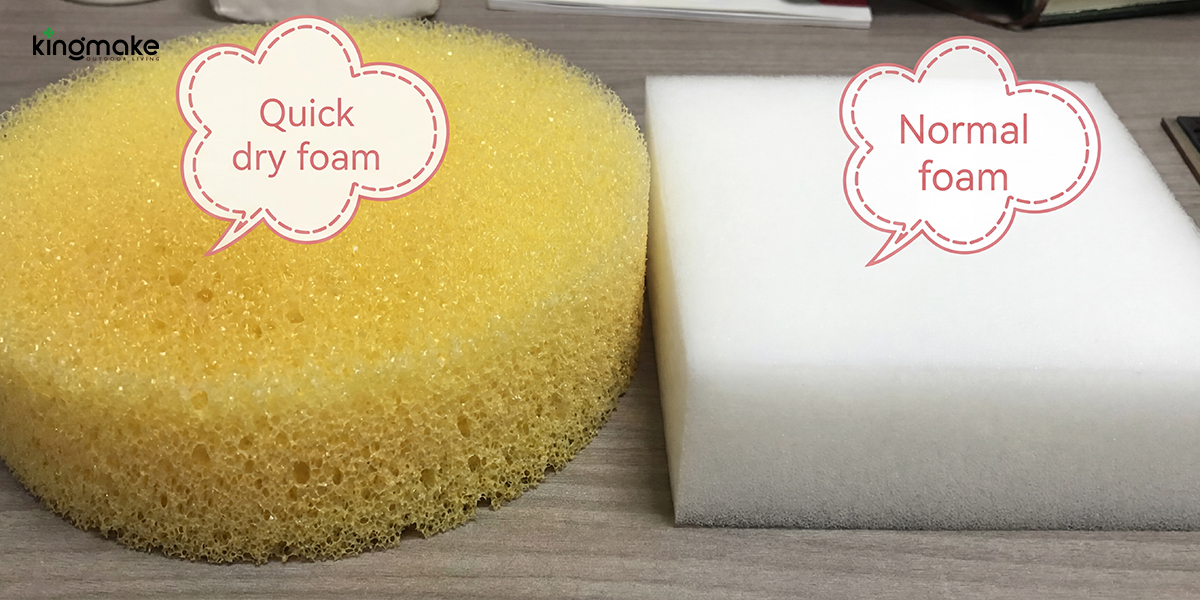
The foam inside an outdoor cushion is just as important as the cover fabric. Standard indoor foam retains water and grows mold quickly when left outside. Outdoor cushions should use open-cell or reticulated dry-fast foam, which allows water to drain through and dry rapidly. The table below outlines the main options:
| Foam Type | Best For | Key Benefit |
| Dry-fast / Reticulated foam | Fully exposed outdoor use | Drains water fast, resists mold |
| High-resilience polyurethane foam | Covered patios or screened porches | Durable, comfortable, slower to dry |
| Fiber fill | Back cushions | Soft, lightweight, suits low-rain climates |
For seat cushions between 3 and 5 inches thick, medium-firm foam delivers the best balance of support and comfort. Softer foam works better for back cushions where body pressure is lighter.
Cover Fabric — Why It Makes or Breaks Performance
The fabric cover determines how well a cushion resists fading, staining, and moisture over time. Solution-dyed acrylic fabrics — where color is integrated into each fiber during production rather than applied to the surface — lead the market for long-term durability. These fabrics maintain their appearance for 5 to 10 years with proper care, compared to just 1 to 2 seasons for lower-grade alternatives.
When evaluating fabrics, look for these features:
UV resistance (Grade 7 or higher for full-sun exposure)
Water repellency without sacrificing breathability
Built-in mold and mildew resistance
Easy cleaning with mild soap and water
Getting the Right Fit for Your Patio Furniture Cushions
Cushions that are the wrong size look awkward and wear unevenly. Always measure the seat width, depth, and thickness before ordering. For furniture with non-standard dimensions — common with imported commercial pieces or custom modular sets — off-the-shelf cushions often fall short. In those cases, custom cushions for outdoor furniture are the more reliable path.
Sunbrella Cushions for Outdoor Furniture — Are They Worth the Investment?
Sunbrella is one of the most widely recognized fabric brands in the outdoor cushion market. Its fabrics are made from 100% solution-dyed acrylic, meaning the color runs through every fiber rather than resting on the surface. This makes Sunbrella cushions for outdoor furniture exceptionally fade-resistant, even in high-sun or coastal climates.
Key advantages include:
A 5-year limited manufacturer warranty against color fading
Strong resistance to mold, mildew, and staining
Easy maintenance — most spills wipe off with mild soap and water
Hundreds of colors and patterns across solid tones, textures, and prints
Independent testing for harmful substances under OEKO-TEX® STANDARD 100
The trade-off is cost. Sunbrella fabric runs roughly $18 to $25 per yard, placing finished cushions at a premium price point. However, when you factor in a lifespan of 8 to 10 years versus budget alternatives that may need replacing every 2 to 3 seasons, the long-term value is genuinely strong. For resort operators, hotel designers, and anyone managing high-traffic outdoor seating, Sunbrella cushions for outdoor furniture represent a sound investment that pays off over time.
Outdoor Furniture Replacement Cushions — When to Replace and What to Choose
Even well-made outdoor furniture cushions eventually need replacing. Recognizing the right moment prevents you from putting up with uncomfortable, worn-out seating longer than necessary.
Signs It Is Time for Outdoor Furniture Cushion Replacement
Look for these signals that your cushions have reached the end of their useful life:
The foam no longer bounces back within 10 seconds after pressure is released
Fabric shows permanent fading, cracking, or pilling that cleaning cannot fix
Mold or mildew has penetrated the foam and cannot be fully eliminated
Covers are torn, frayed, or have broken zippers beyond simple repair
Once any of these conditions are present, replacement is more cost-effective than continued patching.
Standard vs. Custom Replacement Cushions for Outdoor Furniture
Standard replacement cushions work well when your furniture uses common dimensions. Many retailers stock cushions in popular seat sizes, making it straightforward to find a match. However, if you own specialty pieces — imported teak sets, modular sectionals, or commercial-grade furniture — you will likely need outdoor furniture replacement cushions made to your exact specifications.
Custom cushions for outdoor furniture let you define the dimensions, foam density, fabric type, and edge finish (knife edge, boxed edge, or bullnose). The upfront cost is higher and lead times are longer, but the result fits perfectly and wears more evenly over time.
Replacement Cushion Covers for Outdoor Furniture
If your foam is still firm and supportive but the covers have faded or torn, buying replacement cushion covers for outdoor furniture is a smart middle-ground option. A fresh cover in a durable fabric can completely transform the look of aging cushions at a fraction of the cost of full replacement. Look for covers with zippered closures, which make it easy to remove and machine-wash them separately.
Replacement Cushions for Outdoor Wicker Furniture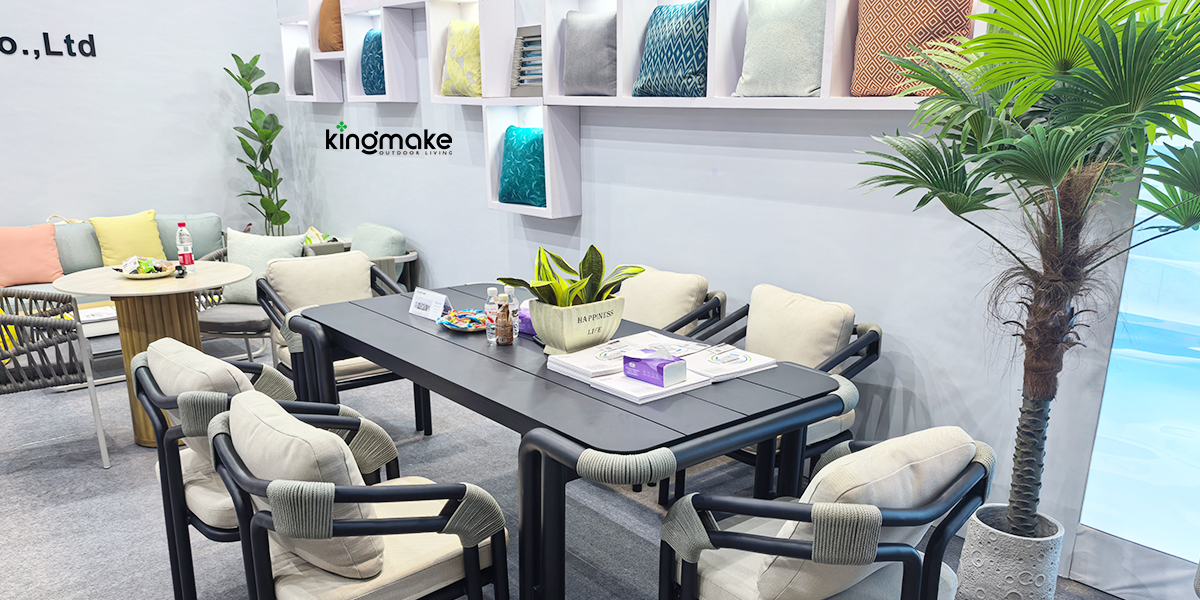
Wicker remains one of the most popular choices for residential and commercial patio seating, valued for its natural texture and how well it pairs with cushions of any style. The main challenge with replacement cushions for outdoor wicker furniture is accommodating the curved or irregular shapes common in wicker chair and sofa designs.
When shopping for wicker-compatible cushions, prioritize designs with attached ties to prevent shifting during use, and choose fabrics that handle steady air circulation well. Wicker furniture is often placed in covered outdoor areas where humidity can build up, so breathable, mildew-resistant fabric is especially important. For wicker sets that have been in use for several years, fitting new cushion covers for outdoor furniture in a refreshed color is one of the most budget-friendly ways to update the look without replacing the whole set.
How to Clean Outdoor Furniture Cushions ?
Regular cleaning extends the life of any outdoor patio furniture cushion and keeps your space looking sharp. Here is a routine that works for most outdoor fabrics.
Basic cleaning (routine maintenance):
Brush off loose dirt and debris with a soft brush or dry cloth.
Mix a small amount of mild dish soap or gentle liquid detergent with lukewarm water.
Apply the solution and scrub gently using a soft-bristle brush.
Rinse thoroughly with clean water, making sure no soap residue is left behind.
Stand cushions on their side so water drains from the zipper area, then air-dry completely before placing them back on the furniture.
For mold or mildew stains:
Mix one cup of bleach with a quarter cup of mild soap in a gallon of water.
Apply to the affected area, let it sit for 15 minutes, then scrub gently.
Rinse well and air-dry in a sunny spot.
General tips for longer cushion life:
Store cushions indoors or in a weatherproof box during heavy rain and over winter.
Use outdoor furniture covers to protect cushions and frames whenever the furniture is not in active use.
Never stack wet cushions together, as this creates ideal conditions for mold growth.
For Sunbrella fabric, blot fresh stains immediately with a dry cloth rather than rubbing them in.
Tips: About the complete guide to how to clean outddor cushions, Kingmake will show you the perfect solution.
How Kingmake Builds Outdoor Furniture with Cushion Quality in Mind
Kingmake Outdoor Furniture has over 17 years of experience manufacturing premium outdoor furniture for hospitality, commercial, and residential projects across the globe. Its product range — spanning
outdoor dining sets,
outdoor chairs, sun loungers, daybeds, and more — is designed from the ground up with both durability and comfort in mind.
Kingmake uses quick-dry foam and weather-resistant fabrics across its cushioned products, ensuring that chair cushions for outdoor furniture continue to perform well in demanding resort and hotel environments. For projects requiring specific fabric colors, custom dimensions, or branded detailing, Kingmake's OEM and ODM services allow clients to define everything from the frame finish down to the cushion density and cover material.
For large-scale commercial projects — hotel terraces, resort pool decks, outdoor dining spaces — Kingmake provides full project support from initial design through manufacturing and global delivery. Clients receive furniture where every component, including the outdoor furniture cushions, is engineered to work together as a complete system rather than assembled from mismatched parts.
FAQs About Outdoor Furniture Cushions
How long do outdoor furniture cushions typically last?
With quality materials and regular care, outdoor patio furniture cushions made with solution-dyed acrylic fabric and dry-fast foam typically last 5 to 7 years. Premium options like Sunbrella can extend that to 8 to 10 years. Budget cushions using surface-dyed polyester may only hold up for 1 to 2 seasons before fading or compressing, especially in high-sun or coastal environments.
Can I leave outdoor furniture cushions outside in the rain?
Cushions made with weather-resistant fabric and open-cell dry-fast foam can handle occasional rain reasonably well. The foam allows water to drain through quickly and the fabric repels surface moisture. That said, leaving cushions soaked for extended periods encourages mold and mildew growth even in resistant materials. The best habit is to stand them upright after rain so water drains out, and to store them under a protective cover during heavy storms and the off-season.
What is the difference between replacing cushion covers and full cushion replacement?
Cushion covers for outdoor furniture are simply the fabric shells that wrap around the foam insert. If the foam is still firm and supportive but the cover has faded or torn, buying replacement cushion covers for outdoor furniture is a cost-effective way to refresh the look without starting from scratch. Full outdoor furniture cushion replacement makes more sense when the foam has permanently compressed, developed an odor, or absorbed moisture that cannot be dried out.
How do I find replacement cushions that fit my outdoor furniture?
Start by measuring the seat width, depth, and current thickness of your existing cushion or the seat frame itself. For furniture from mainstream brands, pre-made outdoor furniture replacement cushions in common sizes are widely available. If your furniture has non-standard dimensions — which is common with imported commercial sets, custom wicker designs, or modular outdoor sofas — custom cushions for outdoor furniture are the most reliable solution.
Are Sunbrella cushions really worth the extra cost?
For most outdoor settings, yes. Sunbrella cushions for outdoor furniture carry a 5-year limited warranty against fading, resist mold and mildew effectively, and clean up easily with mild soap and water. The higher upfront price is offset by a much longer service life compared to cheaper alternatives. In commercial environments such as hotels, resorts, and restaurants — where cushions face heavy daily use — the durability advantage becomes even more significant.
What is the best way to store outdoor furniture cushions in winter?
Clean the cushions thoroughly before storing and make sure they are completely dry. Place them in a dry, well-ventilated space such as a garage, storage bench, or a sealed cushion bag. Never stack damp cushions on top of each other, as this invites mold. If indoor storage is not an option, high-quality outdoor furniture covers can protect both the cushions and the furniture frames from winter moisture and debris.
Conclusion
Outdoor furniture cushions are one of the most practical improvements you can make to any patio, garden, or resort setting. Whether you are starting from scratch, sourcing outdoor patio furniture cushions to complement an existing set, or tracking down replacement cushions for outdoor furniture that has seen better days, the right cushion extends the life of your investment and meaningfully improves comfort. Focus on quality materials — dry-fast foam and solution-dyed acrylic fabrics in particular — and do not overlook the value of consistent cleaning and proper storage. For commercial buyers and project developers looking for furniture with cushions engineered from day one to perform,
explore Kingmake's full product range to find complete outdoor solutions built for lasting use.


 Whatsapp
 sales@cnkingmake.com
 +8613925925021