Outdoor living continues to shape how hotels, resorts, and residential developers plan their spaces. As guests and homeowners spend more time outdoors, a well-designed outdoor furniture layout plan has become as important as the furniture itself. For procurement managers and project developers, the challenge is not only selecting attractive pieces but arranging them in a way that supports comfort, traffic flow, and long-term durability. Good deck furniture ideas balance aesthetics with practical performance, especially when furnishing spaces that range from a compact balcony to a full-scale resort deck.
Why Deck Furniture Layout Matters for Commercial Projects
A deck's furniture layout directly affects guest experience, staff efficiency, and maintenance costs. In hospitality settings, poor spacing can create congestion near walkways or reduce table turnover in dining areas. In residential developments, an unbalanced layout can make a deck feel cramped or underused.
For procurement teams, layout planning also affects budgeting. Ordering the wrong furniture dimensions for a space often leads to costly returns, delayed installations, or mismatched project timelines. Working from a clear outdoor furniture layout plan early in the design phase helps avoid these issues and keeps supplier communication efficient.
This is particularly relevant for teams sourcing commercial outdoor furniture across multiple properties, where consistency in sizing and material selection supports both brand standards and long-term ROI.
Layout Principles for Small Decks
Small decks, such as those found in boutique hotel rooms, villas, or urban residential units, require a disciplined approach to furniture selection. The goal is to maximize usable space without making the area feel cluttered.
Prioritizing Function Over Quantity
On decks under 100 square feet, fewer, well-chosen pieces perform better than a full furniture set. A compact bistro table with two chairs, or a single loveseat with a side table, often serves guests more comfortably than an oversized dining set. This approach also reduces long-term maintenance, since fewer pieces mean less exposure to weather damage over time.
Furniture That Works Double Duty
Multi-purpose furniture is especially valuable in small spaces. Storage-integrated benches, foldable side tables, and stackable chairs allow flexibility without permanently occupying floor space. For distributors and brands developing
custom outdoor furniture lines for compact units, modular designs tend to perform well across different room configurations.
Layout Ideas for Mid-Size Residential Decks
Mid-size decks, typically ranging from 150 to 300 square feet, allow for more design flexibility while still requiring careful planning.
Creating Distinct Zones
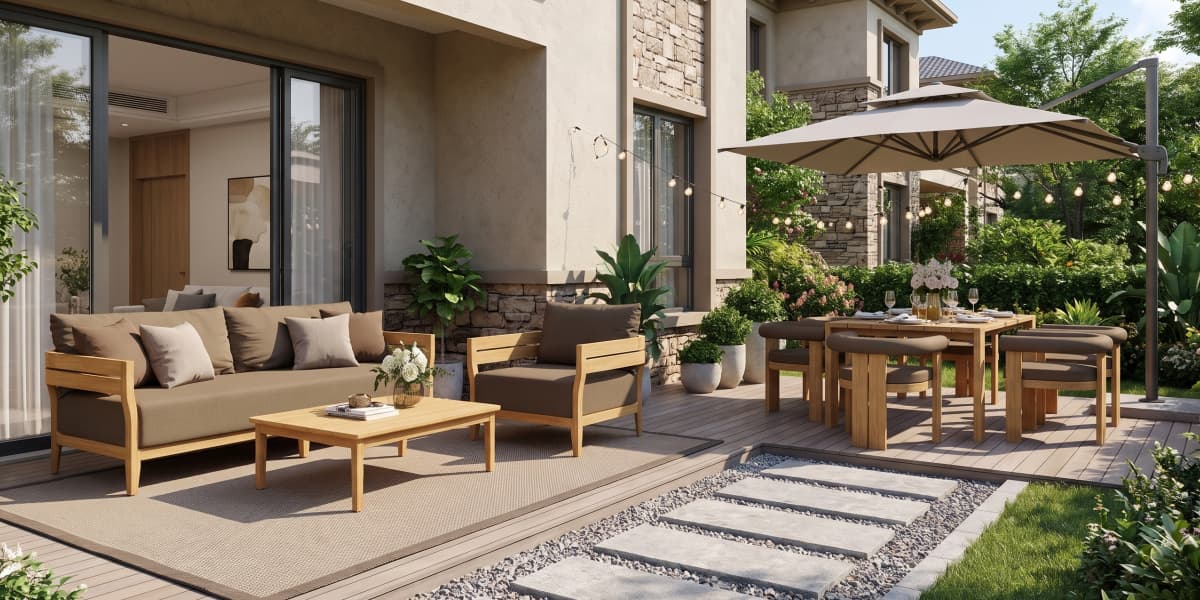
A common and effective approach is dividing the deck into a seating zone and a dining zone. Placing a sofa or lounge set near the home's interior entry point, with a separate dining area toward the outer edge, creates a natural flow between indoor and outdoor living. This layout works well for villas and private residences that host small gatherings.
Balancing Traffic Flow and Seating
Even in mid-size spaces, walkways should remain unobstructed. A general guideline is to leave at least 36 inches of clearance between furniture groupings and any main walking path. This keeps the deck functional during gatherings and reduces the risk of furniture damage from frequent bumping or repositioning.
Layout Ideas for Large Hospitality and Resort Decks
Resort and hotel decks present a different set of challenges. These spaces often serve multiple guest activities simultaneously, from lounging to dining to event hosting.
Zoning for Different Guest Activities
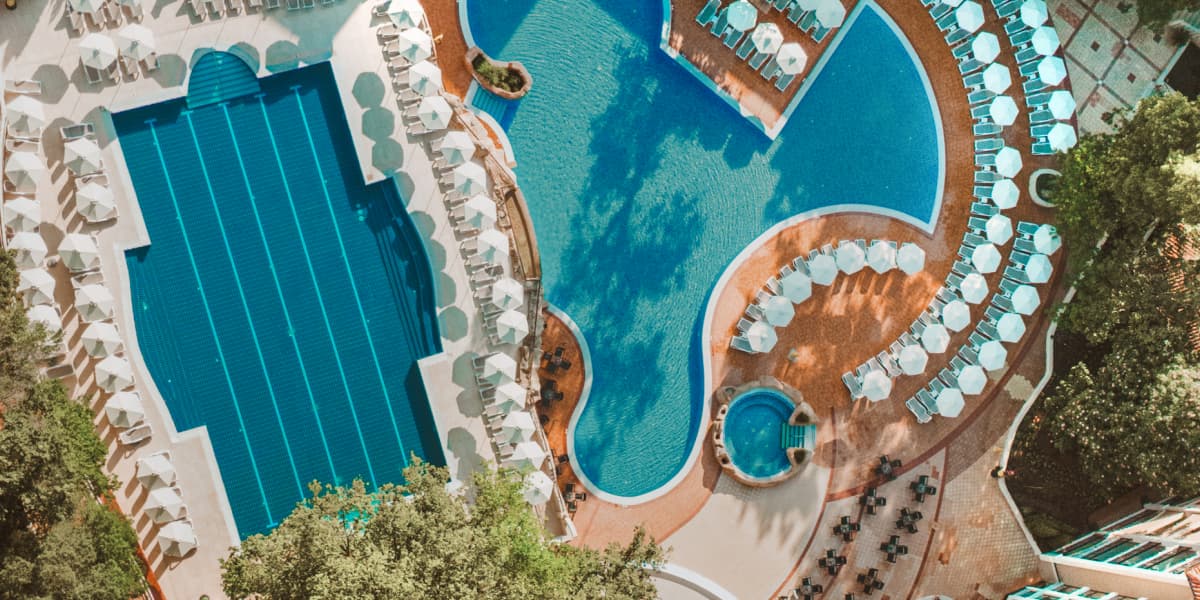
Large decks benefit from clearly defined zones: a lounge area with sun loungers near the pool edge, a shaded dining zone for food service, and a social seating cluster for evening use. Distributors supplying hospitality outdoor furniture should account for these varied use cases when recommending product mixes, since a single furniture type rarely serves every guest need.
Material and Durability Considerations at Scale
At a commercial scale, furniture must withstand heavy daily use, sun exposure, and coastal or humid conditions. This is where sourcing decisions matter most. Hotel procurement managers often turn to established hotel outdoor furniture suppliers with proven weather-resistant materials and consistent OEM/ODM production capacity, since large orders require both design flexibility and manufacturing reliability. Reviewing past
hotel furniture projects can help teams evaluate a supplier's track record before committing to a full property order.
Furniture Sizing Guide by Deck Dimension
Choosing furniture that fits the actual footprint of a deck prevents both overcrowding and wasted space. The table below offers general sizing guidance for common deck dimensions.
| Deck Size | Recommended Furniture Type | Approx. Seating Capacity | Walkway Clearance |
| 6x8 ft (small balcony) | Bistro set or 2-seat loveseat | 2 guests | 24–30 inches |
| 10x10 ft | Compact sofa set with side table | 3–4 guests | 30–36 inches |
| 12x16 ft (mid-size) | Sofa set plus dining table for 4 | 6–8 guests | 36 inches |
| 20x30 ft (resort zone) | Modular lounge sets, multiple loungers, dining clusters | 15–25 guests | 42–60 inches |
| 40x60+ ft (large resort deck) | Zoned lounge, dining, and bar seating | 50+ guests | 60+ inches, tiered zones |
These figures serve as planning references rather than fixed rules. Actual furniture selection should also consider guest flow patterns, shade structures, and any fire code or accessibility requirements specific to the project location.
Common Layout Mistakes on Decks
Even experienced project teams occasionally repeat avoidable layout errors. Some of the most frequent issues include:
Placing furniture too close to railings, which limits movement and creates safety concerns.
Overfilling small decks with oversized dining sets that reduce circulation space.
Ignoring sightlines, resulting in seating arrangements that face away from views or focal points.
Underestimating shade needs, leading to underused seating areas during peak sun hours.
Failing to account for seasonal storage or furniture covers, which shortens product lifespan.
Addressing these issues early, ideally during the design or procurement planning stage, helps avoid costly adjustments after installation. Many teams pair furniture orders with protective
furniture covers to extend product life in outdoor environments.
Comparing Furniture Materials for Deck Applications
Material selection plays a major role in both layout flexibility and long-term maintenance costs. The table below compares common materials used in commercial outdoor furniture.
| Material | Durability | Maintenance Level | Best Use Case |
| Aluminum frame | High, corrosion-resistant | Low | Poolside, coastal resorts, high-traffic areas |
| Teak wood | Very high with proper care | Medium | Villas, upscale lounges, long-term installations |
| Weather-resistant fabric | Moderate to high | Low to medium | Cushions, sofas, daybeds |
| Rattan/wicker (synthetic) | High | Low | Resort lounges, casual dining zones |
For distributors and importers managing multiple product lines, understanding these material trade-offs supports better recommendations to hotel and resort clients, particularly when balancing upfront cost against long-term maintenance budgets.
What to Evaluate Before Ordering Commercial Outdoor Furniture (Checklist)
Before finalizing a bulk order, procurement teams should review the following:
Confirm deck dimensions and finalize the outdoor furniture layout plan before placing orders.
Verify material warranties for UV resistance, corrosion, and fading.
Request samples to assess build quality and finish consistency.
Confirm OEM/ODM customization options if brand-specific designs are required.
Review the supplier's production capacity against project timelines.
Ask about packaging and shipping methods to reduce transit damage.
Clarify after-sales support, including replacement parts availability.
FAQ
How do I furnish a small deck without overcrowding it?
Choose fewer, multi-functional pieces such as a compact loveseat or bistro set, and leave at least 24 inches of clearance around any walkway to maintain comfortable movement.
What furniture size fits a 10x10 ft deck?
A compact sofa set with a small side table typically works well, comfortably seating 3–4 guests while preserving enough open space for movement.
How much walkway space should I leave on a deck?
A general guideline is 30–36 inches for residential decks and 42 inches or more for commercial or resort areas with higher guest traffic.
What is the best material for high-traffic resort decks?
Aluminum frames paired with weather-resistant fabric are commonly used for high-traffic areas due to their corrosion resistance and low maintenance needs.
Can furniture layouts be customized for hospitality brand standards?
Yes. Many suppliers offer custom outdoor furniture and OEM/ODM services to match specific brand aesthetics, dimensions, and material preferences across multiple properties.
Should dining and lounge areas be separated on a deck?
Conclusion
Planning a deck furniture layout, whether for a small balcony, a mid-size residence, or a large resort property, requires balancing space efficiency, guest comfort, and long-term durability. A clear outdoor furniture layout plan, informed by accurate sizing and material selection, helps procurement teams avoid costly missteps and supports better project outcomes.
For hotel procurement managers, distributors, and developers sourcing wholesale outdoor furniture for upcoming projects, working with an experienced manufacturer can simplify the process from design through delivery.
Kingmake Outdoor Furniture brings over 18 years of experience supporting hospitality and commercial projects worldwide, offering OEM/ODM customization, durable materials, and reliable global delivery. Teams can explore Kingmake's full
deck furniture project portfolio or review available
sun loungers and
furniture covers to support upcoming layout planning.


 Whatsapp
 sales@cnkingmake.com
 +8613925925021