
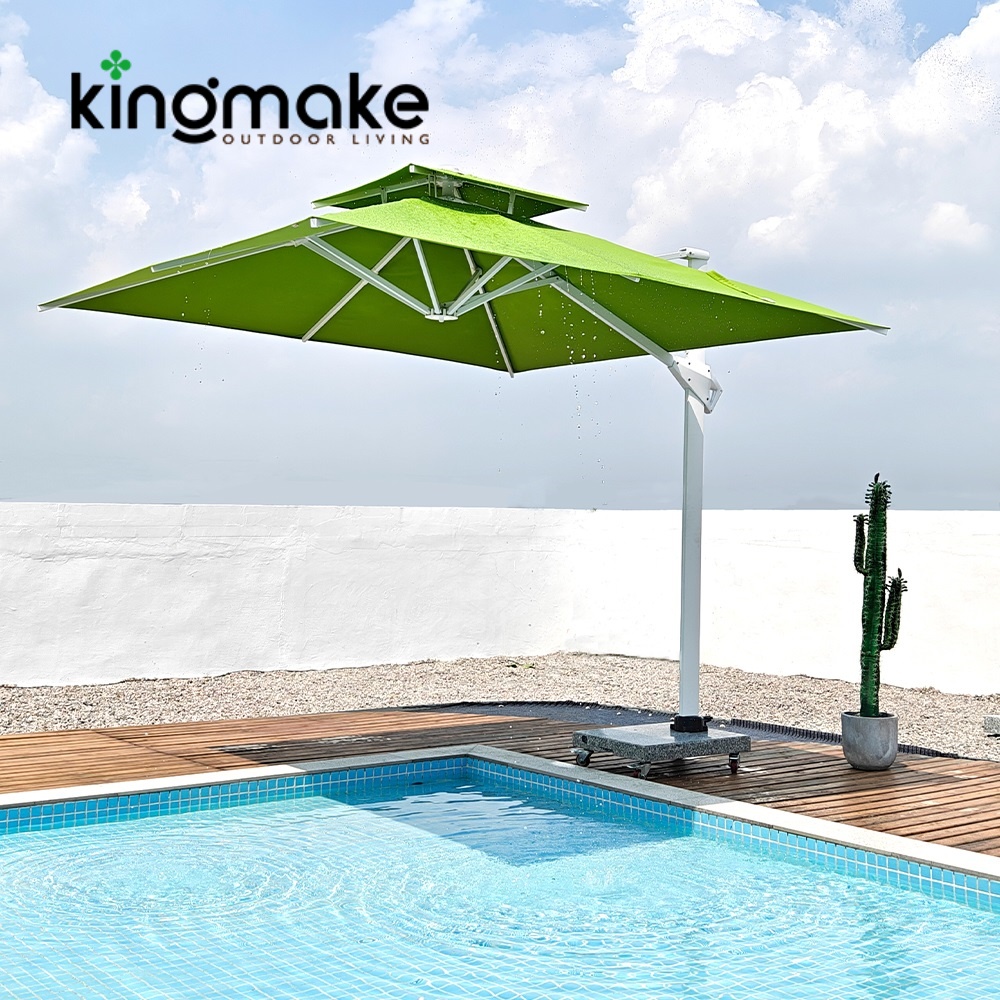
How to Clean Your Outdoor Umbrella Safely
Outdoor umbrellas endure sun, dust, pollen, bird droppings, tree sap, and even sunscreen residue every single day. Over time, these elements fade the fabric, weaken the canopy, and shorten the life of the umbrella. In hotels and resorts, a dirty umbrella does more than look unattractive — it influences guest comfort, photography, online reviews, and the perceived quality of the space. Whether you’re maintaining one umbrella at home or hundreds across a property, a consistent cleaning routine will keep your umbrellas vibrant and functional for years. This guide explains exactly how to clean outdoor umbrellas safely and effectively, with steps suited for both homeowners and hotel maintenance teams. Umbrellas are designed to shade and protect, but their large surface area makes them magnets for airborne particles. Dirt settles into the fabric weave, mildew grows when moisture is trapped, and oils from sunscreen or food leave stains that darken over time. Without regular cleaning, umbrellas lose color prematurely and fabric coatings break down, eventually forcing early replacement. For hotels and resorts, the stakes are higher. A spotless umbrella enhances the visual appeal of pool decks and outdoor dining areas, contributes to better guest impressions, and supports long-lasting performance — especially when used daily. Clean umbrellas also improve photography and marketing imagery, boosting the overall brand aesthetic. Not all umbrellas are made from the same materials, and understanding yours ensures you choose safe cleaning methods. Most commercial-quality umbrellas use solution-dyed acrylic, polyester, or olefin fabrics. Acrylic fabrics such as Sunbrella are exceptionally UV-stable and can tolerate diluted bleach when addressing severe mildew. Polyester and olefin are durable but typically require gentler products. Frames also vary. Aluminum frames — like those produced by Kingmake Outdoor — resist corrosion and clean easily with mild soap and water. Wood frames need gentler cleaning and occasional oiling, while steel frames should always be dried thoroughly to prevent rust. Fiberglass ribs provide excellent flexibility and rarely need more than a routine wipe-down. Checking the care label or product specification sheet before cleaning is always the safest approach. Cleaning frequency depends on the climate and how heavily the umbrella is used. A backyard umbrella used a few times per week won’t accumulate dirt as quickly as umbrellas at a beachfront hotel. Homeowners generally benefit from a light cleaning every month and a deeper cleaning once or twice a year. Hotels and resorts, however, operate under different demands. Umbrellas used daily on pool decks, outdoor dining terraces, or beach areas tend to collect sweat, drink spills, sand, and sunscreen faster. These properties typically schedule light cleaning every two to three weeks and deeper cleaning monthly during peak season. Regular care prevents dirt from embedding into fibers, keeps fabrics brighter, and significantly reduces mold growth — especially in humid or coastal locations. The best umbrella cleaning results come from simple and safe products. A soft-bristle brush or sponge, mild soap, warm water, a bucket, and a hose are enough for most routine cleanings. White vinegar is useful for mildew on many fabrics, while solution-dyed acrylics allow diluted bleach mixtures when absolutely necessary. For hotel maintenance teams, creating a standard cleaning kit ensures consistency across all umbrellas and simplifies training for new staff. Gloves, test patches, and microfiber cloths should also be part of routine cleaning preparation. Routine cleaning is the easiest way to maintain the umbrella's appearance and slow down deterioration. Start by fully opening the umbrella in a shaded area so the cleaning solution doesn’t dry too quickly. Brush away loose dirt, leaves, or pollen to prevent the debris from spreading across the surface once wet. Next, mix a mild cleaning solution using warm water and a small amount of gentle soap. Using a soft brush or sponge, scrub the canopy in circular motions. Allow the soapy solution to sit for about ten to fifteen minutes so it can loosen dirt embedded in the fabric weave. Rinse thoroughly with a hose to remove all soap residue, which otherwise attracts dirt. The final and most important step is drying. Keep the umbrella open until it is completely dry, preferably in sunlight. Closing a damp canopy traps moisture and encourages mildew. Mildew is one of the most common umbrella issues, especially in humid climates or when umbrellas are accidentally stored while damp. Fortunately, most mildew can be removed without damaging the fabric. Begin by brushing off visible mold outdoors so spores don’t spread. Mix a cleaning solution of white vinegar and warm water, or follow the manufacturer’s recommended recipe for mildew removal. Apply this mixture to the affected areas and gently scrub. Let the solution sit for fifteen to twenty minutes to break down the mildew before rinsing thoroughly. Solution-dyed acrylic fabrics tolerate diluted bleach when needed. If you’re cleaning this type of fabric, prepare a manufacturer-approved bleach solution. Always test in a hidden area first and never use bleach on polyester or olefin, as it can cause irreversible discoloration. Hotels often perform deep cleaning during off-peak hours to avoid interfering with guest activity on pool decks or patios. The frame and base of your umbrella need attention as well. Aluminum frames, which Kingmake recommends for hospitality use, can be cleaned easily with warm soapy water and a soft cloth. After cleaning, rinse and dry thoroughly to preserve the powder-coated finish. Wood frames require more delicate care. Use a pH-neutral soap, wipe gently, avoid excess water, and reapply oil or sealant as needed. Steel frames should always be dried fully after cleaning to prevent rust. Depending on usage and climate, applying a corrosion-resistant spray may help prolong their life. Umbrella bases collect dust, spilled drinks, sunscreen residue, and algae in wet climates. Wipe them down regularly to maintain a clean, polished appearance across the entire outdoor setup. One of the most overlooked steps in umbrella care is fabric protection after cleaning. Umbrellas should always be completely dry before storing or closing. Moisture becomes trapped in folds of fabric, creating the perfect environment for mold. After deep cleanings, many fabrics benefit from a fresh application of a water-repellent or UV-protective spray. These sprays help restore the fabric’s resistance to moisture and reduce long-term fading. Homeowners may reapply these coatings once per season, while hotels — especially those in sunny or coastal environments — should consider quarterly reapplications. Preventive habits keep umbrellas cleaner for longer and reduce the need for frequent deep cleanings. Closing umbrellas during storms or strong winds prevents unnecessary strain on the frame. Wiping away sunscreen smudges, bird droppings, or drink spills immediately prevents long-lasting stains. For hotels and resorts, incorporating umbrella care into daily or weekly maintenance routines keeps appearances consistent across all outdoor areas. Outdoor dining umbrellas may require more frequent wiping due to food and drink exposure, while pool umbrellas collect more sunscreen and water marks. When the season ends or when umbrellas need to be stored, make sure the canopy is thoroughly cleaned and dried. Use a breathable storage cover, not plastic, and keep umbrellas in a cool, dry location. This prevents mildew during off-season storage and ensures umbrellas are fresh and ready when reopened. The most frequent mistakes come from using the wrong products or rushing the cleaning process. Harsh chemicals, strong bleach on sensitive fabrics, or rough brushes can damage fibers and strip away protective coatings. Pressure washers may seem efficient but often cause tearing or force water into seams, leading to mold inside the fabric layers. Machine-washing canopies without manufacturer approval risks shrinking, ripping, or damaging stitching. Another common issue is storing umbrellas while damp, which almost guarantees mildew. Even premium, marine-grade fabrics can develop mold if not allowed to dry completely. Kingmake Outdoor engineers umbrellas with durability and ease of maintenance in mind. Our fabrics are selected for fade resistance and easy cleaning, even in intense UV environments. Powder-coated aluminum frames resist corrosion and maintain their finish with minimal care. Many of our umbrella designs allow for easier canopy removal, simplifying deep cleanings or fabric replacement. Marine-grade options are available for beachfront and high-humidity resorts, providing maximum performance in challenging climates. With over 17 years of serving global hotels and resorts, Kingmake understands the operational needs of hospitality properties and designs every product to perform reliably season after season. What is the best cleaner for outdoor umbrellas? Mild soap and warm water are effective for most fabrics. Vinegar works well for mildew, and solution-dyed acrylics may allow diluted bleach when needed. Can I machine-wash an umbrella canopy? Only if the manufacturer approves it. Many umbrellas require handwashing to protect seams and coatings. How do I remove mildew? Brush off loose spores, apply a vinegar solution, scrub gently, let it sit, and rinse thoroughly. Acrylic fabrics may use diluted bleach if allowed. Is pressure washing safe? Generally no. High pressure can damage the fabric and seams. How often should umbrellas be cleaned? Homeowners: every 4–6 weeks. Hotels: every 2–3 weeks, with periodic deep cleaning. How do I prevent mold from returning? Dry umbrellas fully before closing, clean regularly, and store in breathable covers. A clean umbrella protects your investment, enhances guest satisfaction, and keeps outdoor spaces inviting and photogenic. Whether used at home or across a large hospitality property, umbrellas benefit enormously from consistent care. Kingmake Outdoor provides easy-to-maintain, commercial-grade umbrellas designed for long-term performance in any climate. If you’re upgrading your outdoor space or planning a new project, our team can help you select the right umbrella solutions. Email: sales@cnkingmake.com WhatsApp: +8613925925021Why Cleaning Your Umbrella Matters
Understand Your Umbrella Material Before Cleaning
How Often Should Umbrellas Be Cleaned?
What Supplies You Need
Routine Cleaning: Step-by-Step
Deep Cleaning: Mold, Mildew, and Tough Stains
Cleaning the Frame and Base
Drying and Fabric Protection
Preventive Care for Long-Lasting Umbrellas
Common Mistakes to Avoid
How Kingmake Designs Umbrellas for Easy Cleaning
FAQs
Final Thoughts
 Whatsapp
 sales@cnkingmake.com
 +8613925925021