
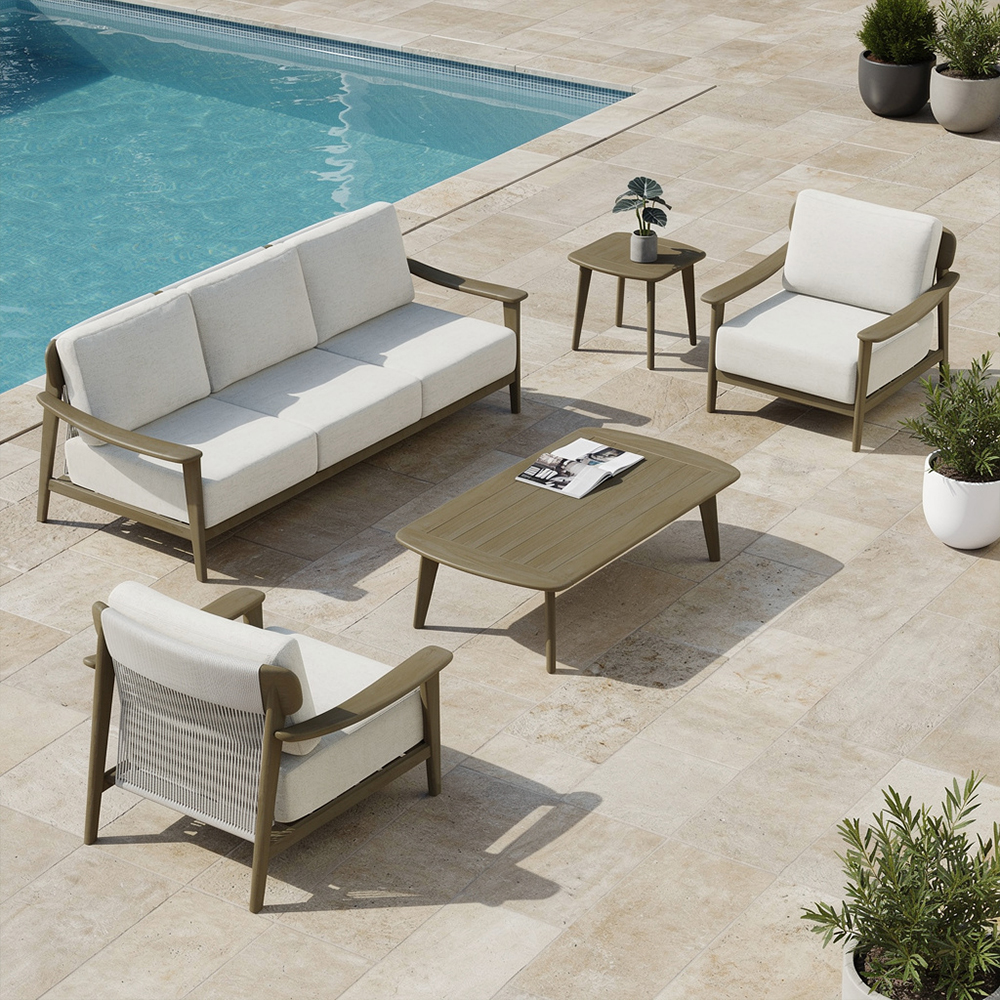
Best Eco-Friendly Materials for Outdoor Furniture
Eco-friendly outdoor furniture is no longer a niche preference. In the U.S., homeowners, hospitality buyers, and commercial projects are all looking for outdoor pieces that look premium, perform in real weather, and reduce environmental impact over the long run. But “eco-friendly” can mean very different things depending on what you buy. A chair made from a natural material isn’t automatically sustainable if it fails quickly and ends up replaced every two seasons. In outdoor environments, true sustainability comes from a combination of responsible sourcing, long service life, repairability, and materials that can be recycled or reused at the end of their lifespan. This guide breaks down the best eco-friendly outdoor furniture materials, how they perform in real-world conditions, and what to look for when buying for patios, rooftops, hotels, and resort spaces. If you want the short version, these are the strongest eco-friendly material choices for outdoor furniture: Recycled aluminum is one of the best overall options because it’s lightweight, rust-resistant, and highly recyclable while still delivering a clean, modern look. Recycled HDPE (often called poly lumber) is a top pick for low maintenance and long-term durability, especially in coastal or poolside areas. FSC-certified wood and reclaimed wood can be excellent when sourced responsibly and used in designs that support long life and easy refinishing. Bamboo is a fast-growing, renewable material that can work well, especially in covered spaces, as long as it’s properly treated for outdoor exposure. For cushions and textiles, the most sustainable approach is choosing durable, replaceable covers and long-lasting foam systems so you aren’t replacing soft goods every year. Now let’s go deeper into what makes each option sustainable and when it makes sense for your project. Outdoor furniture takes more abuse than indoor furniture. UV exposure, heat, rain, humidity, salt air, and frequent cleaning all accelerate wear. That’s why sustainability in outdoor furniture is largely about lifecycle performance. A truly eco-friendly material should support at least three things: First, it should come from responsible sourcing or recycled content. That can mean certified forestry, reclaimed timber, or post-consumer plastics and metals. Second, it should last. Durability is sustainability. The longer a chair stays in service, the lower its overall footprint. Third, it should be repairable or recyclable. Replaceable covers, replaceable components, and recyclable frames all matter because they prevent whole-product disposal. When you evaluate materials through this lens, the best choices become much clearer. Recycled aluminum is one of the strongest eco-friendly materials for outdoor furniture, especially for frames. Aluminum is commonly recycled, and it can often be reprocessed multiple times without major loss of quality. That makes it a practical choice for circular manufacturing. From a performance standpoint, aluminum is also ideal for outdoor use. It doesn’t rust like steel, it’s lighter than many alternatives, and it supports modern designs that work across pool decks, rooftop lounges, resort terraces, and restaurant patios. The sustainability advantage comes from recycled content and recyclability. Aluminum can re-enter the supply chain rather than becoming landfill waste, and many outdoor projects can standardize aluminum frames across multiple furniture categories to reduce complexity and replacement costs. The most important factor is the finishing system. A high-quality powder coating helps prevent corrosion, chalking, and cosmetic breakdown. For hospitality and commercial projects, also consider the practicality of maintenance and part replacement—hardware, glides, and cushions should be service-friendly so the frame stays in use for years. Recycled aluminum is excellent for outdoor sofas, dining frames, chairs, loungers, daybeds, and umbrella structures. If you’re trying to choose one sustainable frame material that works across a full outdoor environment, aluminum is usually the easiest answer. Recycled HDPE is often made from post-consumer plastics such as containers and bottles, transformed into a dense, outdoor-safe material that resists moisture, rot, and splintering. For many U.S. buyers, this category is popular because it’s very low maintenance and performs well through extreme seasonal swings. It’s important to be honest about what HDPE is and isn’t. It’s still plastic, but it can be a strong sustainability choice when it diverts waste and stays in service for a long time. The main advantage is waste reduction. When HDPE furniture uses post-consumer plastics, it reduces landfill load and supports reuse of existing material streams. Because it tends to last for years with minimal upkeep, it can also reduce replacement cycles. HDPE performs exceptionally well in wet environments. It won’t swell, it won’t crack from humidity in the same way some woods can, and it holds up well in poolside settings with regular cleaning. Many buyers choose it specifically to avoid refinishing and seasonal care routines. Comfort and design vary widely across brands and collections. HDPE furniture can be heavier, and it may not deliver the same premium aesthetic as well-finished aluminum and wood combinations unless the design is executed at a high level. Poolside seating, high-traffic public spaces, coastal patios, and low-maintenance hospitality environments. If your priority is reducing upkeep while maintaining a long lifecycle, HDPE is one of the best options. Wood is often the first material people associate with “eco-friendly,” but sustainability depends heavily on sourcing and use case. FSC-certified wood offers a clearer sustainability path because it comes from forests that are managed with defined standards, rather than unknown or irresponsible sources. Teak is the most well-known outdoor hardwood, but it’s not the only option. Depending on design and budget, certified acacia, eucalyptus, or other hardwoods may be used, especially when combined with metal frames. The sustainability advantage is responsible forestry. Certification helps reduce deforestation risk and supports better forest management practices. Many hardwoods perform well outdoors when properly designed and maintained. Teak is especially known for durability because of its natural oils and resistance to moisture damage, which is why it’s common in luxury outdoor settings. Even great wood needs care. If a buyer expects “no maintenance,” wood may disappoint. Wood will weather and change color, and it may need periodic cleaning and refinishing depending on the environment. The sustainability upside is that wood can often be refinished rather than replaced. Tabletops, armrests, decorative slats, and accent surfaces. For a modern, sustainable approach, many hospitality projects choose aluminum frames with FSC wood accents, keeping the wood where it matters visually and functionally, while maintaining structural durability through metal. Reclaimed wood is appealing because it reuses existing material rather than consuming new timber. It can also carry character and visual depth that new wood often lacks. As a sustainability story, it’s one of the strongest options when authenticity and traceability are clear. Reclaimed wood extends the life of existing resources. When it’s truly reclaimed and not simply marketed that way, it reduces demand for virgin lumber. Consistency matters. Reclaimed sources can vary in density, condition, and stability. For outdoor use, proper sealing and design engineering are critical. It’s often more suitable for specific components than for entire structural frames in heavy-traffic commercial environments. Statement tabletops, accent panels, and decorative elements where the visual story matters. For hotel projects, reclaimed wood can be a powerful design choice when paired with long-life frames and weatherproof finishes. Bamboo is often promoted as one of the most sustainable materials because it grows quickly and can regenerate without replanting. That fast renewability is real, but outdoor performance depends heavily on how bamboo is processed, treated, and protected. It’s a rapidly renewable resource, and in many products it can reduce pressure on slower-growing hardwoods. Bamboo is not automatically “outdoor-proof.” It needs proper treatment and sealing to handle moisture and sun exposure. In harsh, uncovered environments, bamboo may require more maintenance than other options. Covered patios, shaded lounge areas, decorative outdoor applications, and lighter-duty furniture. If your project is beachfront, poolside, or high-humidity with constant exposure, bamboo should be specified carefully or limited to protected spaces. Woven furniture can be a great fit for hospitality and residential styling, but sustainability varies. Some manufacturers incorporate recycled plastics into synthetic wicker, and some are exploring ocean-bound plastics. These can be meaningful improvements when recycled content is verified and the weave system is durable. The opportunity is in using recycled inputs and designing weave systems that resist UV breakdown, cracking, and stretching. If the weave fails quickly, sustainability disappears because replacement becomes frequent. Ask about UV stability, warranty expectations, and whether the weave system is repairable. In commercial environments, it’s also important that cushion systems and covers are replaceable to extend the whole product lifecycle. Outdoor sofas, lounge chairs, and daybeds where design texture matters and the performance specifications match the climate. Frames can last a decade, but cushions often get replaced far sooner. If you want an eco-friendly outdoor setup, you can’t ignore soft goods. The most sustainable cushion strategy isn’t necessarily chasing the “greenest” fabric label. It’s choosing a system that lasts, cleans easily, and can be replaced in parts rather than replacing the entire furniture piece. Durable outdoor fabrics with high UV resistance help reduce fading and fiber breakdown. Removable covers are critical for cleaning and replacement. Quick-dry foam or moisture-friendly cushion construction can reduce mildew issues and improve lifespan in poolside environments. For hospitality projects, this is where long-term ROI and sustainability meet: if you can replace a cover instead of replacing a whole daybed, you reduce both costs and waste. Different environments demand different choices. Here’s how to think about it without overcomplicating the decision. Salt, chlorine, and humidity are constant challenges. Recycled aluminum frames and HDPE furniture tend to perform best here because they don’t rot, don’t rust, and tolerate frequent cleaning. If you use wood, limit it to accents and ensure finishing and care plans are realistic. Lightweight isn’t always a benefit on rooftops. Structural stability, anchoring, and furniture layout matter. Powder-coated aluminum frames remain a strong choice, but umbrella bases, hardware, and wind ratings become part of the sustainability story because damaged umbrellas and broken frames create unnecessary replacement waste. Durability plus cleanability matters most. Aluminum frames with weather-resistant slat tops, or FSC-certified wood tops designed for refinishing, tend to work well. Avoid materials that stain easily or require constant treatment in commercial use. If maintenance isn’t a concern, FSC-certified hardwoods can be a beautiful, sustainable choice. If the goal is “set it and forget it,” recycled aluminum or HDPE often makes more sense. Before you purchase eco-friendly outdoor furniture, ask questions that reflect real performance not marketing language. Start with sourcing. If it’s wood, ask if it’s FSC-certified and whether documentation is available. If it’s plastic or metal, ask about recycled content and whether it’s post-consumer or post-industrial. Then look at longevity. What’s the expected service life? Is the product designed for commercial environments? Does it come with a meaningful warranty? Finally, check repairability. Can you replace cushion covers? Are parts available? Can the furniture be repaired instead of discarded? These are the questions that turn “eco-friendly” from an idea into a real outcome. In hospitality and commercial projects, sustainability is often decided by one thing: replacement cycles. When outdoor furniture is engineered for long service life, it reduces waste, reduces freight and manufacturing frequency, and protects the project’s long-term budget. That’s why many eco-forward projects choose a system approach: long-life aluminum frames, durable finishes, replaceable cushions, and responsibly sourced accents where they matter most. This combination supports premium design while improving lifecycle sustainability, especially in hotels and resorts where outdoor furniture faces daily use and constant exposure. FSC-certified hardwoods are often the best natural option because they balance outdoor durability with responsible sourcing. Teak is a common premium choice, but other certified hardwoods can also perform well when properly finished and maintained. It depends on your goals. Aluminum is usually best for low-rust, modern frames and long service life. HDPE is excellent for low maintenance and wet environments. Wood offers natural beauty and can be sustainable when certified, but typically requires more care. The most eco-friendly material is often the one that lasts the longest and can be repaired or recycled. Recycled aluminum and high-durability HDPE score well for longevity, while FSC-certified and reclaimed wood can be strong choices when properly sourced and maintained. Most outdoor furniture materials are not fully biodegradable because they are designed to resist moisture and decay. Untreated natural fibers and some woods can biodegrade, but untreated materials typically won’t last outdoors. For outdoor use, sustainability usually comes from longevity and recyclability rather than biodegradability. It can be, especially when it uses post-consumer recycled HDPE and stays in use for many years. The sustainability advantage increases when the furniture is durable, low-maintenance, and prevents frequent replacement. Choose durable, UV-resistant fabrics, removable covers, and cushion systems built to resist moisture and mildew. The most eco-friendly approach is reducing how often cushions need to be replaced. Eco-friendly outdoor furniture isn’t about choosing one “perfect” material. It’s about choosing materials that align with your environment, usage level, and expectations for maintenance—while prioritizing responsible sourcing, long service life, and end-of-life recyclability. For most U.S. buyers, recycled aluminum and recycled HDPE deliver the strongest combination of performance and sustainability. FSC-certified or reclaimed wood adds natural beauty when sourced responsibly and used in designs that support longevity. And for cushions, replaceable covers and durable construction are the difference between a sustainable purchase and a short-term one. If you’re selecting furniture for a hotel, resort, restaurant, or large outdoor project, focusing on durability and repairability is often the fastest path to real sustainability—and the best long-term value.Quick Answer: The Best Eco-Friendly Materials (At a Glance)
What “Eco-Friendly” Really Means for Outdoor Furniture
Recycled Aluminum: The Best All-Around Sustainable Frame Material
Why it’s eco-friendly
What to look for
Best uses
Recycled HDPE (Poly Lumber): Low Maintenance, High Durability
Why it’s eco-friendly
Performance strengths
Watch-outs
Best uses
FSC-Certified Wood: Natural Beauty with Responsible Sourcing
Why it’s eco-friendly
Performance strengths
Maintenance reality
Best uses
Reclaimed Wood: Sustainable When Done Right
Why it’s eco-friendly
What to consider
Best uses
Bamboo: Fast-Growing and Renewable, With Limits
Why it’s eco-friendly
Performance considerations
Best uses
Recycled Synthetic Wicker and Recycled Plastics in Weaves
Why it can be eco-friendly
What to look for
Best uses
Cushions and Fabrics: The Sustainability Factor Most People Miss
What matters most
Best Eco-Friendly Material for Outdoor Setting
Poolside and coastal locations
Rooftops and high-wind installations
Dining areas and restaurant patios
Residential patios with a premium look
A Practical Sustainability Checklist for Buyers
Kingmake’s View: Sustainability That Works in the Real World
FAQs
1) What is the best natural material for outdoor furniture?
2) Which material is better for outdoor furniture: wood, aluminum, or HDPE?
3) What is the most eco-friendly material for furniture overall?
4) What material is 100% biodegradable?
5) Is recycled plastic outdoor furniture actually sustainable?
6) How can I make outdoor cushions more eco-friendly?
Final Thoughts
 Whatsapp
 sales@cnkingmake.com
 +8613925925021