
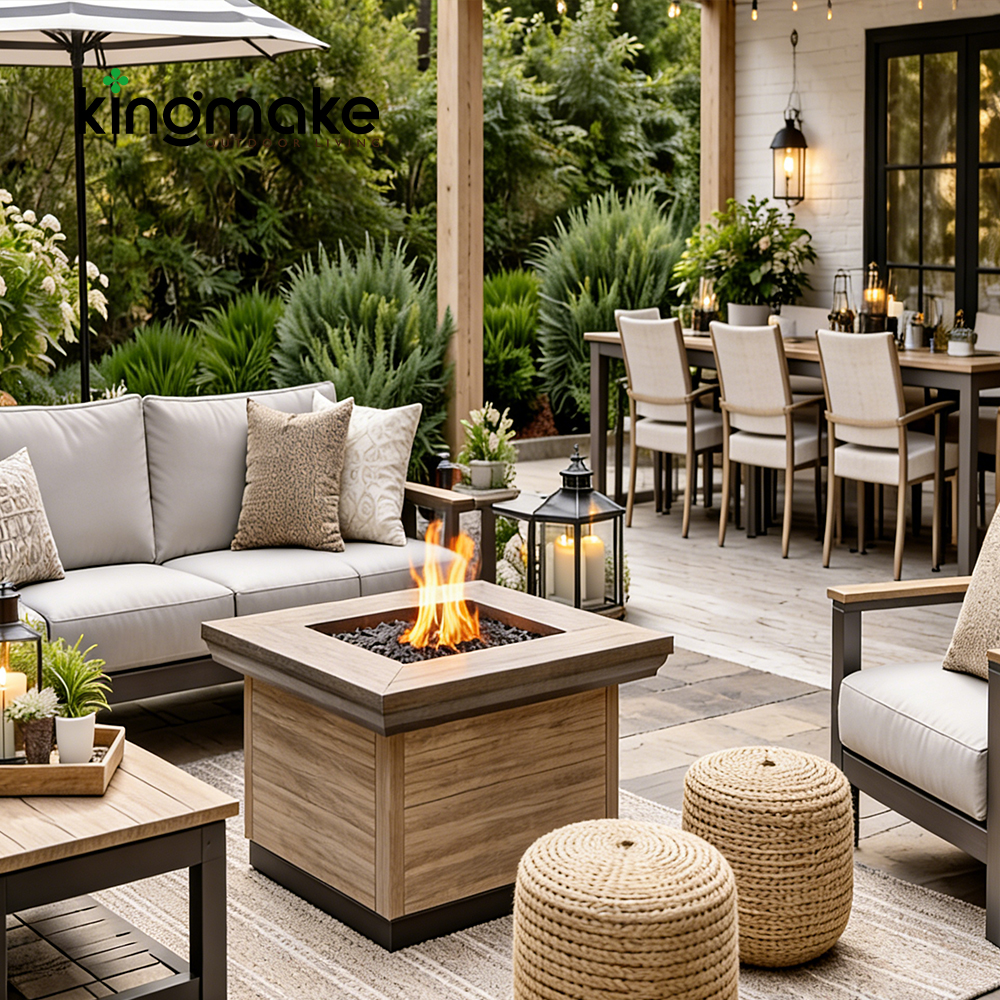
Cohesive Outdoor Design Using Matching Finishes (Guide)
A beautiful outdoor space doesn’t happen by accident. The difference between a patio that feels “random” and one that feels like a true outdoor room usually comes down to one thing: cohesion. When finishes don’t connect—different metal tones, clashing wood stains, mismatched textiles—the eye keeps stopping. The space feels fragmented, even if every item is high quality. The solution isn’t to make everything identical. A cohesive outdoor design uses matching finishes strategically: repeating a small set of materials and tones so the space feels intentional, calm, and premium. This matters for hotels and resorts where outdoor areas must look consistent across seasons, replacement cycles, and multiple zones like poolside, dining terraces, and rooftop lounges. This guide shows how to build that cohesive look using a simple finish plan, repeatable design rules, and proven combinations that work in hospitality and high-end outdoor projects. Cohesion means the space has a clear visual “through-line.” Guests should feel like every piece belongs, even if the furniture is mixed. A cohesive design usually repeats a few anchors: A dominant frame finish that shows up on major furniture pieces. A supporting material that adds warmth or texture. And one or two accent finishes that appear in smaller details like planters, lighting, or hardware. When these anchors repeat, the space feels curated instead of collected. This is why a patio can look expensive even with a simple layout—because it looks planned. The easiest way to create cohesion is to make a finish plan before you shop, order, or replace anything. This is the finish you’ll see the most. For many modern hospitality projects, the dominant finish is a powder-coated metal tone such as matte black, charcoal, white, or champagne. It can also be a consistent wood tone if the project leans warm and natural. This is a second material that complements the dominant finish. Think teak accents, warm stone, light concrete, or rope texture. Supporting finishes prevent the space from feeling flat. Accent finishes show up in smaller elements: side tables, lighting, planter rims, trim details, or umbrella poles. Accent finishes should be used sparingly so they feel intentional. If you want a simple rule: one dominant, one supporting, one accent. That’s enough for a polished outdoor environment. Color is often where cohesion breaks first. Outdoor spaces look best when large surfaces stay neutral, and color is introduced through accents. A reliable palette approach is: Two neutrals for big pieces (frames, tabletops, hardscape) One soft supporting tone (wood, rope, stone) One to two accents (cushions, planters, small décor) If the palette grows beyond five primary colors, the space starts to feel busy. It can still be “nice,” but it won’t feel seamless. For hospitality projects, neutral foundations are especially valuable because they allow easy replacement. When you add new pieces later, the finish system stays consistent. The easiest way to make a space feel unified is to repeat one material finish across multiple categories. For example, if your frames are matte black aluminum, repeat that tone in lighting, bar stool frames, side tables, and even pergola hardware. Even small repetitions create visual rhythm. A common mistake is mixing warm and cool tones without a bridge. Warm tones include teak, sand, beige, bronze, and warm white. Cool tones include charcoal, crisp white, stainless, grey stone, and black. You don’t need exact matches. You need undertone harmony. When undertones align, mixed materials feel intentional. Too many metal finishes makes a patio look like separate purchases. Two is usually enough: for example, matte black plus brushed stainless, or champagne plus warm bronze. Keep it consistent within each zone. Texture is what gives outdoor spaces depth. Rope weave, teak grain, wicker, smooth concrete, or stone—choose one hero texture that leads the story, then keep other textures secondary. Matte with matte. Satin with satin. Mixing glossy and matte in the same seating cluster often reads as unplanned. Sheen control is subtle, but it’s one of the reasons luxury patios look clean in photos. If you want proven combinations, these finish families are easy to execute and easy to scale across multiple outdoor zones. This look uses powder-coated aluminum as the dominant finish, paired with concrete or stone textures, and neutral cushions. It works especially well for rooftops, modern resorts, and contemporary hotels where clean lines matter. Warm resort design usually blends teak tones with champagne or bronze metal, then uses off-white textiles for a relaxed, premium feel. The warmth makes outdoor spaces feel inviting, while the metal finish keeps it polished. Coastal doesn’t have to be “theme.” A cohesive coastal look is usually light frames, sandy neutrals, and a controlled accent palette like muted blues or greens. The key is restraint—coastal feels expensive when it’s calm. Classic hospitality uses dark frames, crisp neutrals, and wood accents. It’s timeless, easy to replace, and works across dining, lounge, and pool zones without looking dated. Outdoor design is not only furniture. Cohesion depends on how furniture relates to what surrounds it: floors, walls, counters, and vertical structures. Your pavers and tile don’t need to match furniture. But they should echo the same temperature and tone. If you use cool grey stone, charcoal frames will look coherent. If you use warm beige pavers, champagne or bronze metals will feel more natural. Pergolas, fencing, screens, and railings are the largest “finish surfaces” in many outdoor projects. If these elements clash with furniture finishes, the patio will never feel fully cohesive. A simple method is to match vertical structures to the dominant finish. If furniture frames are black, pergola hardware and rail accents can be black. If furniture is champagne, choose warm metals and wood tones that align. The most premium outdoor designs feel like an extension of the indoor space. You don’t need identical materials; you need a visual connection. If interiors lean warm, repeat warm accents outdoors. If interiors are modern, keep outdoor finishes clean and minimal. Many outdoor environments include multiple “rooms.” Cohesion comes from repeating your finish anchors across all zones. Most hospitality patios can be mapped into three zones: A lounge zone for relaxing A dining zone for meals and gatherings A bar or service zone for drinks and social energy Once these zones are defined, carry the same finish anchors across each one. The same frame finish should appear in lounge seating, dining chairs, and bar stools. That repetition is what makes the space feel like one environment rather than three separate purchases. Choose one accent that appears everywhere—perhaps a cushion trim color, a planter finish, or an umbrella fabric tone. This creates continuity without making everything identical. Teak and aluminum are one of the easiest combinations to get right. Warm wood balances sleek metal, and the overall look feels modern but not cold. It’s also practical because it can be applied across many product categories. Rope gives softness and visual interest, while metal provides structure. Keep metal finishes consistent and let rope be the hero texture. This approach often looks premium in poolside and resort lounge spaces. This is the high-traffic winner. Stone and concrete surfaces feel durable and modern. Pair them with consistent metal finishes and neutral textiles. It’s clean, refined, and easy to maintain. Cohesion often comes down to details. A space can have the right furniture and still feel unfinished if details don’t align. Planters are one of the simplest tools to connect zones. If you repeat planters in the same finish or material across the space, your eye reads continuity. It’s especially effective in large patios where furniture clusters are separated. Outdoor lighting should match your dominant metal finish or your accent finish. Mixing multiple lighting finishes in one patio can create visual noise—especially at night, when the lighting becomes more noticeable. Side tables, tray tables, umbrella poles, bar stool footrests, and even waste receptacles can reinforce cohesion. When these small pieces share the same finish family, the space looks intentionally designed. This is the most common reason patios look fragmented. The fix is simple: reduce to two metals, one wood tone, and one stone tone. Then build your palette around those anchors. If you want to mix warm and cool tones, use neutral textiles as the bridge. Neutral cushions and rugs help connect different finishes so they don’t clash. Exact matching can feel like a showroom set. The better approach is consistent finishes with slight variation in shapes and textures. A space should feel curated, not copied. Kingmake Outdoor is a Foshan, China–based one-stop manufacturer serving hotels, resorts, distributors, and project contractors worldwide with premium outdoor furniture built for long-term performance. For cohesive outdoor design, we help buyers lock a finish palette early—frame colors, rope tones, and cushion fabric families—then apply that system across multiple categories so every outdoor zone feels consistent. Many hospitality projects start with an Outdoor Sofa collection as the visual anchor for the lounge area, then carry the same finishes into shaded seating through matching Patio Umbrella options, ensuring the entire space looks brand-aligned, photo-ready, and easy to expand with future orders. Decide warm vs cool direction first Choose one dominant finish, one supporting finish, one accent Keep to a 3–5 color palette Repeat the same metal finish across zones Use planters, textiles, and lighting to carry accents consistently Cohesive outdoor design is less about buying a full matching set and more about building a repeatable finish system. Choose a clear palette, repeat materials across zones, control undertones and sheen, and use small details like planters and lighting to tie everything together. Match undertones and repeat a dominant finish. For example, you can mix teak and aluminum if your cushion and accessory palette bridges the tones. Most cohesive spaces use two main finishes plus one accent. More than that can feel unplanned unless controlled carefully. Neutral foundations (white, charcoal, greige, sand) with controlled accent colors usually create the most cohesive look, especially in hospitality spaces. Yes. This is one of the most reliable combinations because warm wood balances cool metal, and both can be tied together through neutral textiles. Choose one dominant finish and repeat it. If furniture frames are black, match pergola hardware or structural accents to that same finish for continuity. Update accessories and repeating elements first—planters, cushions, umbrellas, and lighting finishes—so the space feels refreshed without changing the core furniture. Keep frames consistent, choose cushions in a restrained palette, and match umbrella fabric to the same color family as cushions or accent tones. Hospitality spaces typically perform best with durable, neutral foundations that are easy to replace over time—then use accents through fabrics, planters, and small décor.What “Cohesive” Really Means (and Why It’s Not “Matchy”)
Start With a Simple Finish Plan
Choose one dominant finish
Choose one supporting finish
Choose one accent finish
Use a 3–5 Color Palette (So the Space Doesn’t Fragment)
The 5 Rules of Matching Finishes Without Making Everything Identical
Rule 1: Repeat materials across different elements
Rule 2: Match undertones, not exact colors
Rule 3: Limit metal finishes to two
Rule 4: Choose one “hero texture”
Rule 5: Keep sheen consistent in the same zone
Finish Families That Work (Ready-to-Use Combinations)
Modern minimalist
Warm resort luxury
Coastal contemporary
Classic hospitality
Connect Furniture With Hardscape and Structures
Match hardscape tones with frame finishes
Make vertical elements part of the finish story
Blend indoor-to-outdoor transitions
Zone the Space, Then Repeat Finishes Across Zones
Create three outdoor rooms
Keep one accent consistent
How to Mix Materials Without Clashing
Teak plus aluminum: the hotel-friendly mix
Rope texture plus metal frames
Stone or concrete with metal and textiles
Details That Make It Look “Designed”
Planters as visual glue
Lighting finish consistency
Small accessories and hardware
Common Mistakes (and Fast Fixes)
Too many finishes
Mixing warm and cool without a bridge
Matching everything exactly
About Kingmake Outdoor
Quick Cohesive Finish Checklist (Minimal)
Final Thoughts
FAQs: Cohesive Outdoor Design Using Matching Finishes
How do I make outdoor furniture match if it’s made of different materials?
How many finishes should I use in one outdoor space?
What colors make an outdoor space look cohesive?
Can I mix teak and aluminum in the same patio design?
How do I match a pergola or fence finish to outdoor furniture?
What’s the easiest way to update an outdoor space without replacing everything?
How do I coordinate cushions, umbrellas, and furniture frames?
What finish choices work best for hotels and resorts?
 Whatsapp
 sales@cnkingmake.com
 +8613925925021