
Why Modular Outdoor Furniture Is So Popular in 2026
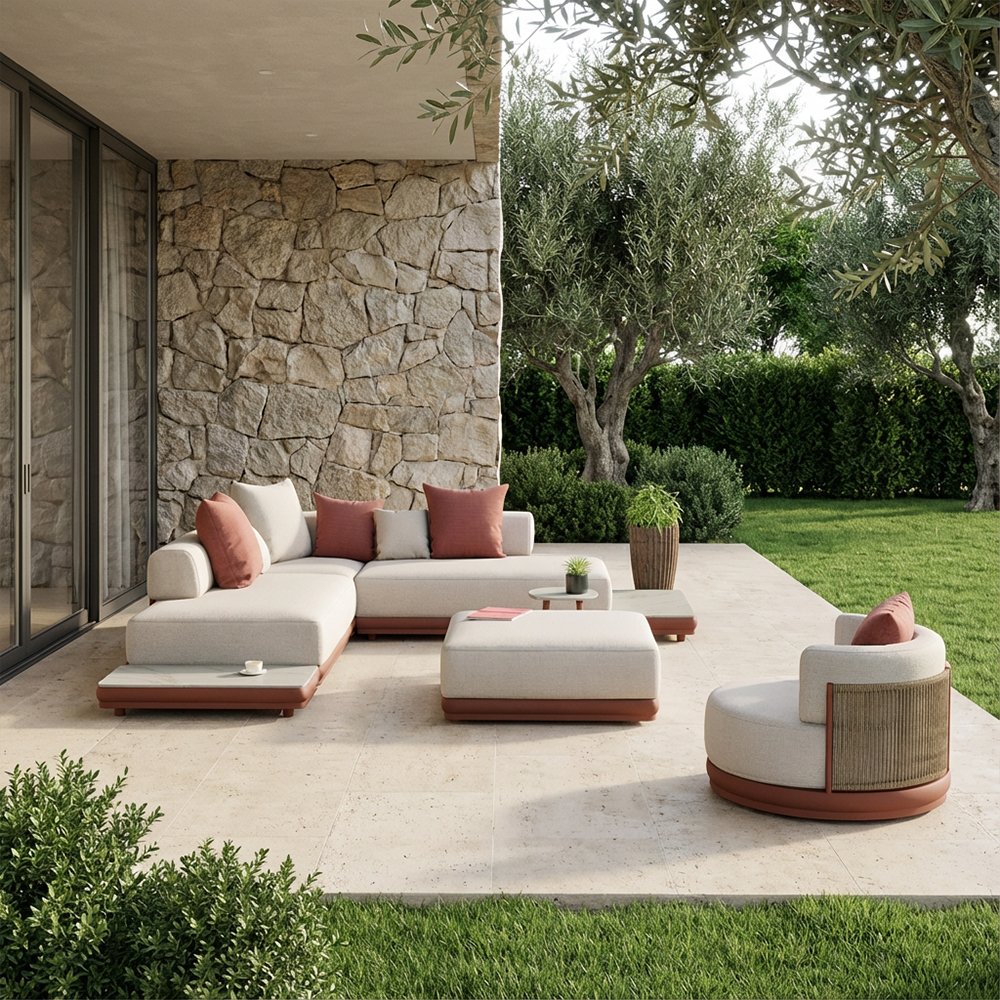
Outdoor spaces in the U.S. are being used differently than they were a few years ago. Patios aren’t just for a quick coffee anymore. Pool decks are expected to feel like a resort lounge. Rooftops are turning into full social zones. Even smaller balconies are being treated like mini living rooms. As outdoor living becomes more “everyday,” people want furniture that can keep up with real life: guests coming and going, layouts changing, and spaces being used for more than one purpose. That’s the biggest reason modular outdoor furniture is having such a strong year. It isn’t a trend based on one style or one material. It’s a shift in how people want their outdoor space to function. Modular pieces let you build a setup that fits your exact space today, then reconfigure it next weekend, next season, or next year without starting over. At Kingmake Outdoor, we work with distributors, retailers, and project contractors worldwide, including many hospitality and commercial buyers serving U.S. properties. We’ve seen modular move from a “nice option” to a preferred solution because it solves practical problems while still delivering a modern, premium look. Modular outdoor furniture is popular this year because it gives people more control. You can rearrange seating for entertaining, relax with a chaise-style layout the next day, and optimize a small patio without wasting space. Modular sets also expand easily, store more efficiently than bulky fixed sets, and match the clean, modern styling that many buyers want. For hotels and resorts, modular has an added advantage: it makes it easier to refresh layouts and replace individual pieces without replacing an entire installation. Modular furniture is built from individual units designed to connect or sit together as a larger arrangement. Think armless seats, corner seats, ottomans, chaise modules, and sometimes table modules. These units can be combined into an L-shape, U-shape, straight sofa line, or separated into smaller groupings. It’s important to understand that “modular” is not one single quality level. Two modular sets can look similar online but perform very differently in real use. The difference usually comes down to the frame construction, connection method, outdoor fabric and cushion build, and how well the set holds up to movement, moisture, and sun. When modular is well-built, it feels stable, comfortable, and long-lasting. When it’s poorly built, it can slide apart, loosen over time, and require more maintenance than a fixed set. Outdoor spaces are being used for more types of gatherings. One weekend it’s a family meal. The next it’s a pool party. Then it’s a quiet night with two chairs and a side table. Traditional furniture is usually locked into one layout, so it’s either too large for daily life or too small when guests show up. Modular lets you scale your layout to the moment. A large sectional can turn into two separate seating areas. Ottomans can become extra seating, footrests, or table supports. Corner pieces can be swapped based on where you want the “open” side of the sectional to be. That flexibility is a major reason buyers see modular as a smarter long-term purchase. Not every patio is a perfect rectangle. Many homes have corners, narrow walkways, or sliding doors that limit furniture placement. Rooftops often have mechanical units, wind screens, or railing shapes that create unusual layouts. Commercial properties deal with pool curves, columns, and service aisles. With modular, you aren’t forced to buy a standard “sofa + two chairs” package that may not fit. Instead, you can build around the space you actually have. You can leave a clear path, keep a view open, or avoid blocking an entry. For U.S. buyers who live in mixed-size environments from large suburban backyards to compact city patios this is a practical advantage that immediately makes sense. A fixed set is a snapshot of what you need right now. Modular is more like a system you can adjust as life changes. You might start with a smaller configuration, then add modules later. You might rearrange the layout when you add a fire pit, a pergola, or a new outdoor kitchen zone. This year, more buyers are thinking in stages. They want to invest in a core setup today, then expand as they upgrade the outdoor space over time. Modular makes that possible without forcing a full replacement. Another reason modular is thriving is that outdoor furniture is expected to feel more like indoor furniture. People want deep seating, supportive cushions, and a cohesive design that looks intentional rather than temporary. Modular collections often lead the market in that direction because they’re built to create “room-like” arrangements. A sectional setup naturally feels like an outdoor living room. It frames conversation. It supports longer lounging. It looks polished in photos, which matters for homeowners and hospitality brands alike. Modular pieces typically use clean lines, balanced proportions, and neutral color palettes. That makes them easy to match with umbrellas, side tables, planters, and outdoor kitchens. It also means they won’t feel outdated after one season. This year, buyers are leaning toward outdoor environments that look calm, premium, and minimal. Modular fits that aesthetic naturally, especially when paired with materials like powder-coated aluminum frames, woven rope details, or modern all-weather wicker. In many parts of the U.S., seasonal storage is a real consideration. Even in warm climates, people want the option to move furniture during storms or off-season maintenance. Hotels and resorts often store furniture during renovations or special events. Modular makes that process easier because pieces can be moved and stored in smaller sections. Instead of wrestling one oversized sofa, you can separate modules and transport them more efficiently. For commercial operators, modular also supports faster deck resets, cleaning cycles, and layout changes based on occupancy. When you buy a fixed set, a single damaged section can force replacement of multiple pieces for visual consistency. With modular, you can often replace one unit or one cushion cover instead of replacing everything. This is especially valuable for hospitality environments where wear and tear happens faster. If one seat receives more sun exposure or one module gets damaged during event setup, it’s easier to swap that single piece and keep the rest of the system in place. For many buyers, this “repair and refresh” mindset feels more sustainable and cost-effective. For hospitality and commercial projects, modular isn’t just about style. It’s about operational flexibility and revenue support. A pool deck can shift from quiet weekday lounging to weekend peak traffic. A rooftop can host a private event one night and casual seating the next day. Modular furniture makes it possible to adjust the layout without renting extra seating or redesigning the entire space. It also supports faster maintenance. When cushions or covers need cleaning, you can remove and service them while keeping other modules in operation. When you plan refurbishments, you can refresh zones in stages instead of shutting down the entire area. From a brand perspective, modular helps maintain a consistent design language across multiple outdoor zones. The same collection can be arranged differently in a lobby terrace, a pool lounge, and a rooftop bar keeping the property cohesive while still meeting each space’s functional needs. Popularity has brought more modular sets into the market, but not all of them are built for long-term performance. Here’s what matters most when you’re buying for durability, comfort, and real outdoor use. A strong modular system starts with a stable frame. In outdoor environments, the frame must resist corrosion, heat expansion, and repeated movement. Powder-coated aluminum is widely preferred in hospitality because it offers a strong balance of rust resistance, structural stability, and manageable weight for repositioning. Teak is also a premium option, but it requires more maintenance and changes tone over time. Steel can be strong but needs excellent coating and careful care to prevent corrosion in moisture-heavy environments. For coastal or poolside environments, frame and hardware quality should be a priority. If the internal structure or fasteners aren’t built to handle salt, chlorine, and sun exposure, the set will wear faster. Comfort sells modular furniture, but outdoor comfort needs a different construction. Quick-dry cushion options and breathable foam are especially useful around pools, beaches, and humid climates. Removable cushion covers make cleaning easier and help properties maintain a fresh look longer. Even for residential use, removable covers and water-resistant outdoor fabrics reduce frustration and keep the set looking new. Outdoor fabrics need to resist fading, staining, and mildew. In the U.S., UV exposure is a major driver of wear, especially in sun-heavy regions. A fabric that looks great in month one but fades quickly won’t meet expectations. Choosing a performance outdoor textile with strong UV resistance and easy cleanability is one of the most important decisions a buyer can make. One common complaint about modular furniture is pieces sliding apart. This is almost always a connector issue. Quality modular systems use stable connection designs so modules stay aligned during normal use. For projects, stability is not optional. Guests will move pieces, sit on edges, and shift weight across modules. A well-designed modular system should feel unified, not like separate blocks pushed together. For hotels, resorts, and high-use environments, it’s smart to plan for maintenance from the beginning. That can mean keeping spare cushion covers, extra connectors, or a replacement module on hand. This approach keeps the outdoor space operational and visually consistent without long downtime. Even homeowners benefit from this mindset, especially if their outdoor area is used frequently. Modular furniture is popular because it lets you build the layout that fits your space and your habits. A few proven configurations perform well in both residential and hospitality settings. An L-shape sectional works well for conversation and keeps the layout open. A U-shape arrangement creates a social zone and pairs well with a central table or fire feature. Separating modules into two smaller seating groups is ideal for larger decks or areas that need multiple functions at once. For commercial spaces, modular can be arranged to create premium zones by adding side tables, umbrellas, and ottomans that give daybed-like comfort without a full daybed footprint. At Kingmake Outdoor, we design modular outdoor furniture with real-world use in mind, especially for hospitality and commercial environments. Our manufacturing is built to support both custom specifications and high-volume orders, with coordinated finishes and materials across collections so projects stay consistent. Many of our buyers prioritize rust-resistant frames, all-weather weaving systems, and cushion options that perform in sun, rain, and high-humidity locations. We also support customization to match brand and project needs—whether that means specific colorways, upholstery selections, or layout planning for different zones. Modular furniture works best when it’s treated as a flexible system, not a fixed set. When the system is designed correctly, it stays beautiful, performs longer, and adapts to new needs without forcing replacement. What is modular outdoor furniture? Modular outdoor furniture is made from individual pieces that can be arranged and rearranged into different layouts, such as L-shapes, U-shapes, straight sectionals, or separate seating groups. What are the biggest benefits of modular patio furniture? The main benefits are flexibility, better fit for different spaces, easy expansion, and the ability to reconfigure layouts for entertaining, lounging, or changing needs. Is modular outdoor furniture worth it for hotels and resorts? Yes. Modular helps properties adapt layouts for events and occupancy changes, refresh seating zones faster, and replace individual modules instead of replacing an entire set. How do you keep modular outdoor sofas from moving apart? Look for systems with strong connectors or locking designs, stable feet, and well-built frames. In high-traffic areas, connector quality makes a major difference in guest satisfaction. What’s the latest trend in outdoor furniture right now? The biggest trend is outdoor spaces designed like indoor rooms, with deeper seating, coordinated collections, and multi-functional pieces that support entertaining and daily use. What type of outdoor furniture lasts the longest? Durability depends on materials and construction. Powder-coated aluminum frames with high-performance outdoor fabrics and outdoor-ready cushion builds are commonly chosen for long-lasting performance, especially in hospitality. Are modular outdoor cushions waterproof? Most outdoor cushions are water-resistant, not fully waterproof. Quick-dry foam and breathable construction help cushions dry faster and reduce moisture issues. Can I add more modules later and still match? Yes, if the collection supports expansion. It’s best to plan ahead and confirm that matching fabrics and finishes will remain available, especially for long-term projects. Modular outdoor furniture is popular this year because it matches how people actually live and how commercial outdoor spaces actually operate. Buyers want flexibility, comfort, modern design, and long-term value. Modular delivers all of that, whether it’s a homeowner building a better patio or a resort planning a pool deck that can shift from quiet mornings to busy weekends. The key is to choose a modular system that’s built for real outdoor performance. When the frame is strong, the fabric is durable, the cushions are designed for weather, and the connectors keep everything stable, modular furniture becomes one of the smartest investments an outdoor space can make. If you’re planning a hospitality or commercial project and want modular seating that can be tailored to your layout and usage needs, Kingmake Outdoor can support you from design planning through production and global shipping.A quick answer: why modular is winning right now
What “modular” outdoor furniture really means
The biggest reasons modular outdoor furniture is exploding this year
1) People want flexibility for entertaining without buying multiple sets
2) It solves the “awkward space” problem
3) It adapts to lifestyle changes over time
4) Outdoor living is becoming more “indoor” in comfort and design
5) Modern, timeless styling matches what buyers want
6) Storage and logistics are easier than fixed furniture
7) It can offer better long-term value and less waste
Why modular is an even bigger advantage for hotels and resorts
How to choose modular outdoor furniture that actually lasts
Frame quality matters more than most people think
Cushions should be built for outdoor realities, not showroom comfort
Fabric performance is a dealbreaker
Connectors and stability: the hidden factor behind satisfaction
Plan for spare parts and long-term consistency
Modular layout ideas that work in real spaces
Kingmake’s approach to modular: built for projects, built to scale
FAQs
Final thoughts
 Whatsapp
 sales@cnkingmake.com
 +8613925925021