Introduction
Furniture painting has surged in popularity. Interior design searches for "furniture makeover" have climbed steadily year over year, and home improvement spending in the U.S. crossed $500 billion in 2024 — with DIY refinishing leading the charge. Whether you're refreshing an old dining table, revamping a garden chair, or protecting a patio set from the elements, picking the best paint for furniture is the single decision that determines whether your project looks great for a weekend or a decade. This guide cuts through the confusion and gives you straightforward answers.
Understanding Paint Types for Furniture
Walk into any hardware store and you'll face dozens of options. The good news is that most furniture paints fall into a handful of categories, and each one has a clear sweet spot.
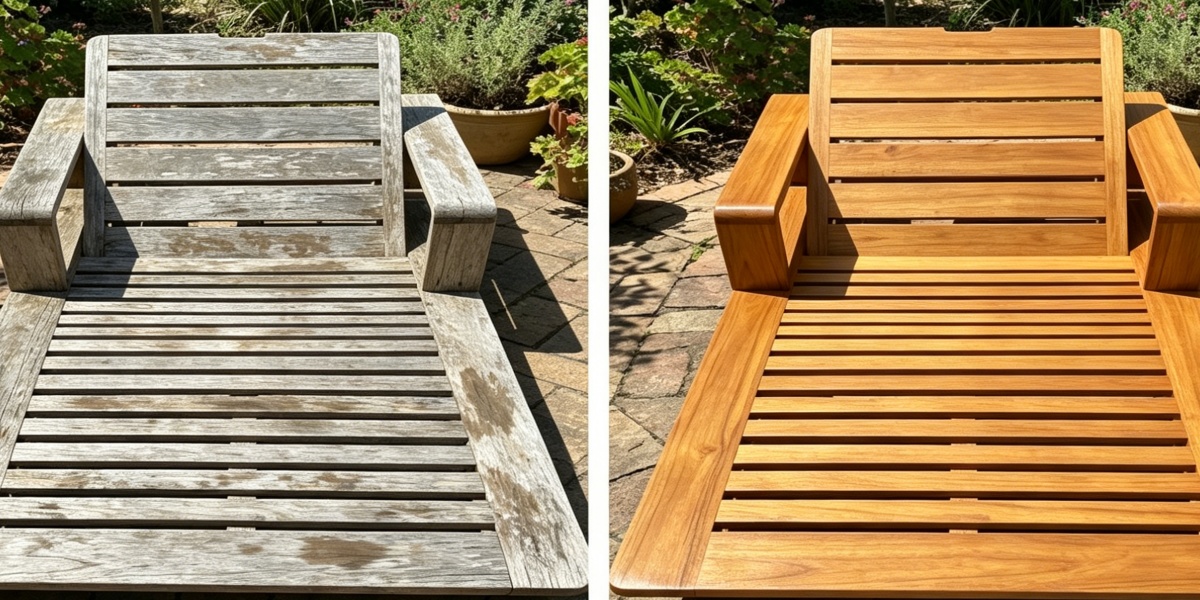
Chalk Paint — The No-Fuss Classic
Chalk paint remains one of the most popular choices for indoor furniture, and for good reason. It sticks to nearly any surface with minimal prep, dries quickly, and creates that soft matte texture many decorators love. The best chalk paint for furniture — brands like Annie Sloan, Rust-Oleum Chalked, and Behr Chalk Decorative Paint — all deliver a similar velvety finish. Behr's version tends to offer the best value for the price in side-by-side comparisons.
The key trade-off: chalk paint needs a protective topcoat (wax or polycrylic) to hold up to daily use. Without it, the finish scuffs easily. For indoor accent pieces or decorative items, this is a minor issue. For a kitchen table or outdoor piece, plan your sealer step carefully.
Best for: Indoor wood dressers, accent tables, vintage pieces, distressed or farmhouse-style looks.
All-In-One Acrylic Paint — The Best Paint for Wood Furniture Without Sanding
If sanding feels like the most discouraging part of any furniture project, all-in-one acrylic paints are your answer. These formulas — sometimes labeled "mineral paint" or "fusion paint" — include a built-in primer and often a built-in topcoat, meaning they bond directly to the surface without heavy prep work.
Top performers include Fusion Mineral Paint and General Finishes Milk Paint (which, despite the name, is actually an acrylic enamel). Both level well, leaving a smooth finish with minimal brush marks. A light scuff with 220-grit sandpaper still helps adhesion, but full stripping is not required.
Best for: Best paint for wood furniture without sanding, laminate surfaces, quick refreshes on indoor wood pieces.
| Paint Type | Sanding Required? | Topcoat Needed? | Best Surface |
| Chalk Paint | No (optional scuff) | Yes | Wood, MDF |
| All-in-One Acrylic | No (optional scuff) | Usually no | Wood, Laminate |
| Alkyd/Urethane Enamel | Light scuff | No | Wood, Cabinets |
| Exterior Latex | Light sand | Yes (for durability) | Outdoor Wood |
| Oil-Based Enamel | Yes | No | Metal, Wood |
Alkyd and Urethane Enamel — The Most Durable Finish for Wood Furniture
For the smoothest, hardest finish without a separate topcoat, urethane alkyd enamel is the professional's choice. Sherwin-Williams Emerald Urethane Trim Enamel is consistently rated at the top of side-by-side tests. It self-levels beautifully, dries rock-hard, and resists chipping and scuffing far better than chalk or basic latex formulas.
The trade-off here is longer dry time and slightly more demanding application. It's also not the most beginner-friendly. But for anyone painting a high-use piece — a coffee table, dining chairs, kitchen cabinets — the durability payoff is worth it.
Best for: High-traffic indoor wood furniture, kitchen islands, built-ins.
Best Paint for Outdoor Wood Furniture — Durability Is Everything
Outdoor wood furniture faces a different set of challenges: UV exposure, moisture cycles, temperature swings, and sometimes salt air. The best paint for outdoor wood furniture must handle all of these without cracking or peeling within a season.
What to Look for in Outdoor Wood Paint
Before choosing a product, look for these four features on the label:
UV resistance: Prevents color fading and surface breakdown from sun exposure.
Waterproofing: A genuine waterproof outdoor paint for wood furniture will resist both rain and humidity absorption, which causes wood to swell and crack.
Mildew resistance: Particularly important in humid climates or coastal environments.
Flexibility: A formula that expands and contracts slightly with the wood as temperatures change.
Oil-based exterior paints and high-quality exterior latex paints both work well on outdoor wood. Solid-color deck stains are another strong option — they penetrate the wood rather than sitting on top, which means less peeling over time. Always prime bare or weathered wood first for maximum adhesion.
Teak and Hardwood — When Paint Isn't the Best Answer
Here's something worth knowing: premium teak outdoor furniture is often better left unpainted. Teak's natural oils make it extremely weather-resistant, and most paints struggle to bond permanently to its dense, oily grain. Teak furniture from manufacturers like
Kingmake Outdoor is specifically engineered to need no sealants — its Grade-A teak construction withstands temperature extremes from -30°C to 50°C and develops a distinguished silver-gray patina naturally over time.
If you want to maintain the warm golden tone of teak, teak oil or a penetrating sealer is the right product — not paint. Save exterior paint for pine, cedar, eucalyptus, and other softwood or mid-grade hardwood pieces that need more surface protection.
Best Paint for Outdoor Metal Furniture — Rust-Proof Finishes That Last
Metal patio furniture — iron, steel, or aluminum — requires a completely different approach than wood. The primary enemy is rust (on ferrous metals) and the secondary challenge is adhesion, since smooth metal surfaces are notoriously difficult for paint to grip.
Choosing the Best Paint for Outdoor Metal Furniture
For iron and steel pieces, a rust-inhibiting primer is non-negotiable before your topcoat. Look for spray paints specifically labeled for metal use — Rust-Oleum Universal and Krylon Fusion for Plastic and Metal are two reliable options that bond directly to metal with minimal prep. Both are available in spray and brush-on formulas.
For aluminum furniture, adhesion is the main challenge since aluminum doesn't rust. Use a self-etching primer designed for non-ferrous metals, then apply an exterior acrylic or enamel topcoat. Powder coating, which is the factory-applied finish used by commercial outdoor furniture manufacturers, is the most durable finish available — far superior to any rattle-can spray paint.
Quick comparison for metal furniture paint:
Rust-Oleum Universal: Bonds to metal, plastic, wood; no primer required; available in satin, gloss, matte.
Krylon Fusion: Specifically designed for hard-to-paint surfaces; dries in 15 minutes.
Hammerite Direct to Rust: Ideal for older iron or steel with surface rust; no stripping needed.
Epoxy spray paint: Hardest finish, best for high-wear metal surfaces; requires careful prep.
Why Powder-Coated Aluminum Outperforms Paint
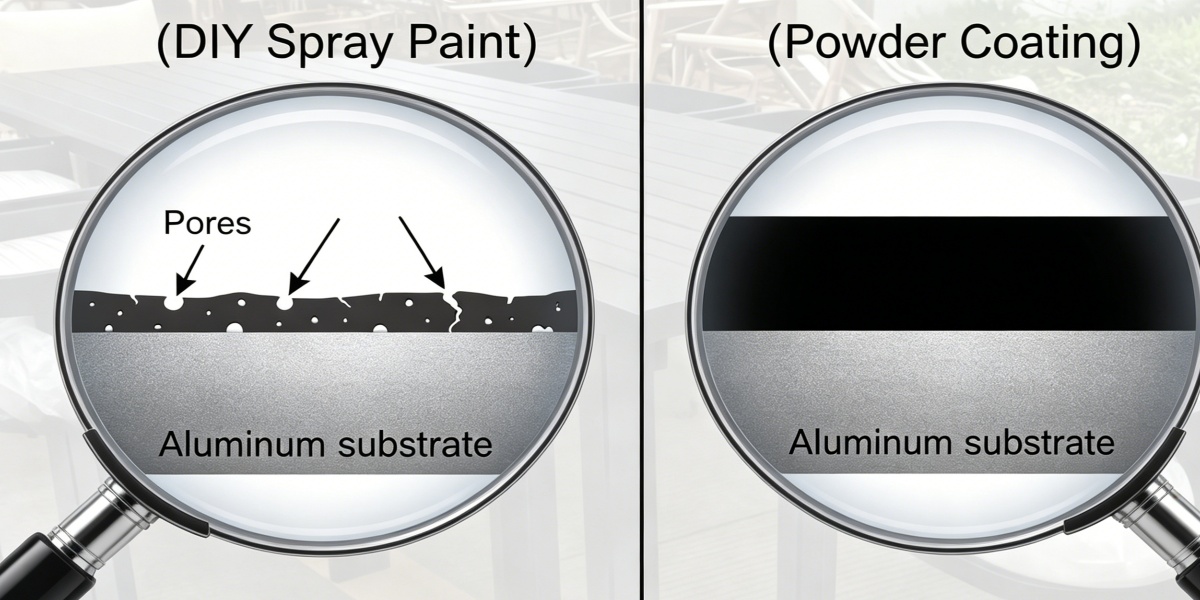
If you're investing in quality
outdoor furniture for a patio, pool deck, or hospitality project, it's worth understanding why commercial manufacturers use powder coating rather than liquid paint. The process electrostatically bonds colored powder to the aluminum frame, then cures it at high heat. The result is a finish that is two to three times thicker than conventional paint, fully sealed, and highly resistant to chipping, fading, and corrosion.
Kingmake's aluminum outdoor furniture uses precisely this process — powder-coated frames built to withstand coastal winds, humidity, and continuous UV exposure in resort and villa environments. For a homeowner refinishing existing metal patio furniture with spray cans, this isn't an option, but knowing the standard helps set realistic expectations for DIY results.
How to Prep Furniture for Painting
The most common reason a paint job fails has nothing to do with the paint brand. It comes down to inadequate preparation. Here's a simple approach that works for most projects:
Clean the surface thoroughly. Grease, mildew, and grime prevent adhesion. Use a TSP cleaner or degreasing dish soap, rinse well, and let it dry completely.
Assess the existing finish. Glossy surfaces need a light scuff with 220-grit sandpaper. Peeling or flaking paint needs to be stripped or sanded back to a stable base.
Prime when needed. Bare wood, bare metal, and previously stained surfaces all benefit from a bonding primer. Chalk paint and all-in-one acrylics can sometimes skip this step, but priming never hurts.
Sand between coats. A light pass with 320-grit sandpaper between coats knocks down any texture or dust nibs for a smoother final result.
When to Paint and When to Replace
Painting furniture is a great way to extend the life of a solid piece that still has good bones. But it's worth being honest about when a piece isn't worth the effort. Soft particleboard furniture with swollen edges, rusted-through metal frames, or severely cracked wood may look worse after painting because the structural problems show through the finish.
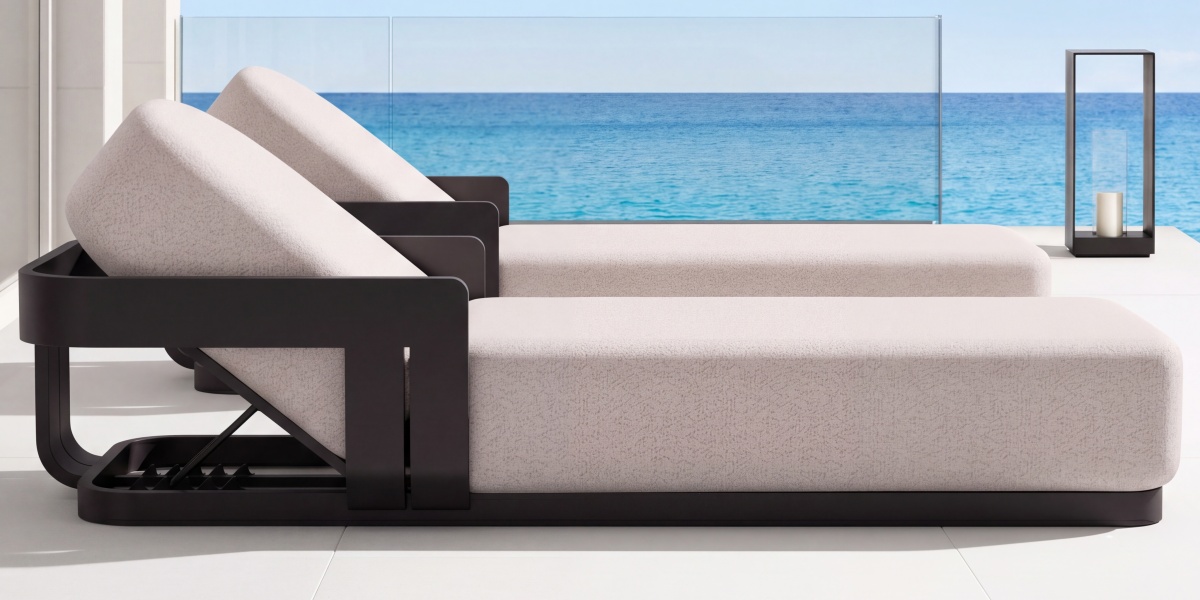
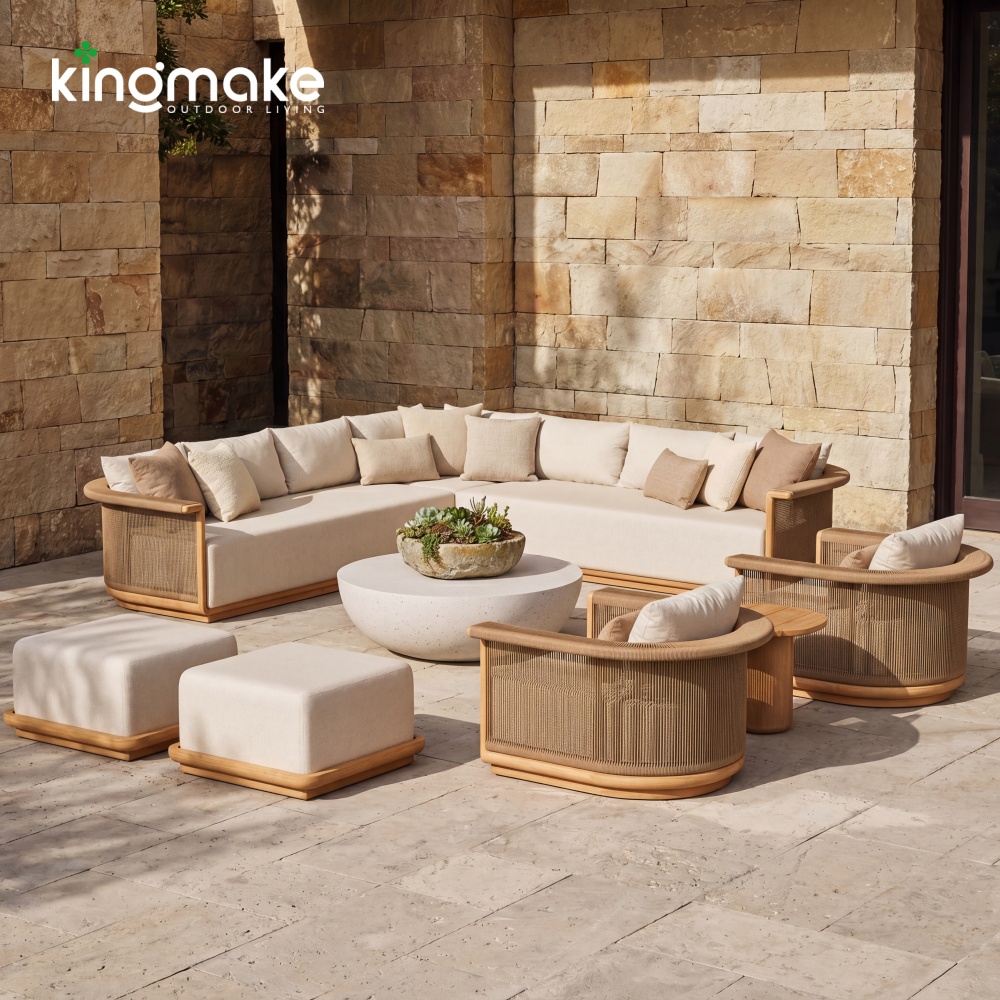
For outdoor furniture in particular, higher-quality materials simply perform better over time. Pieces built from solid aluminum or Grade-A teak — like the
outdoor dining sets and
outdoor sofas from Kingmake Outdoor — are designed from the ground up to handle all-weather conditions without the need for annual repainting. For hotels, resorts, and commercial spaces that can't afford constant maintenance, this kind of investment makes clear financial sense.
If you're working with good-quality wood or metal pieces that simply need a fresh look, painting is absolutely the right call. Choose your paint type based on the surface material, your environment, and how much prep time you're willing to invest — and the results can be genuinely transformative.
Conclusion
There's no single best paint for furniture that works perfectly in every situation. Chalk paint is brilliant for quick indoor makeovers with a rustic finish. All-in-one acrylics are the practical choice when you want to skip heavy prep. Urethane enamel delivers the hardest, smoothest finish for high-traffic pieces. And for outdoor furniture, waterproof exterior formulas and rust-inhibiting metal paints are essential — but premium materials like powder-coated aluminum and solid teak can reduce your dependence on paint altogether.
Whether you're a DIY enthusiast working on a weekend project or a hospitality buyer specifying outdoor furniture for a resort, understanding what each paint type does — and doesn't do — puts you in control of the outcome. Choose wisely, prep thoroughly, and your furniture will look exactly as you intended for years to come.

 Whatsapp
 sales@cnkingmake.com
 +8613925925021