
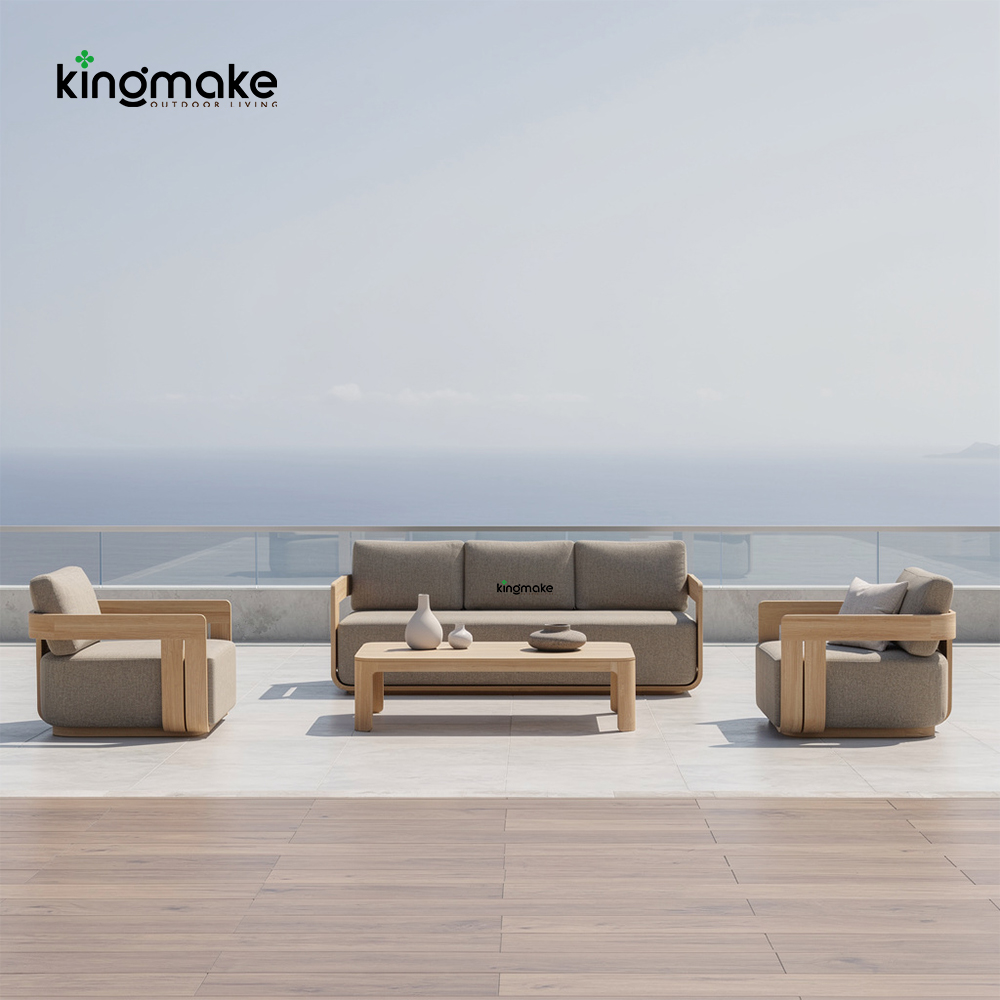
Why The Lead Time For Teak Furniture Is Longer Than That For Aluminum Furniture
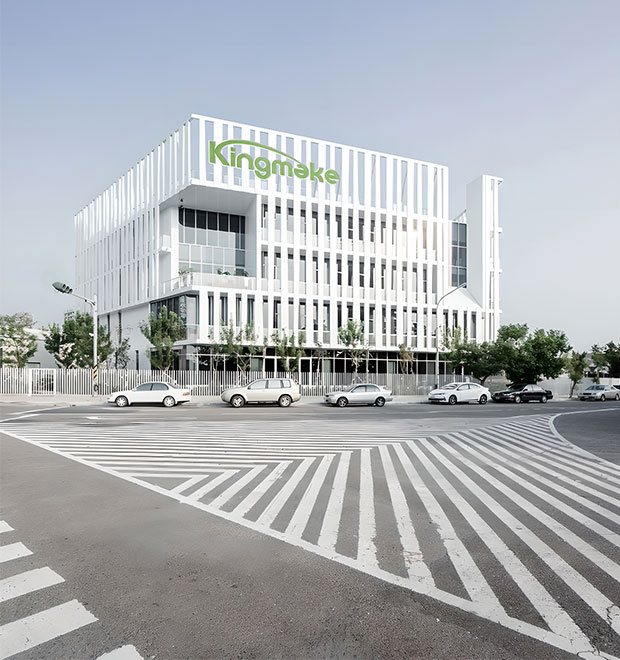
At furniture capital of the world, We Kingmake have been manufacturing outdoor furniture since 2008. We started with aluminum furniture at the beginning, then wooden outdoor furniture. Now we have aluminum workshop and teak workshop.
Over the years, Kingmake has grown into a trusted furniture partner for a diverse global clientele. We proudly serve various resorts and hotels, private villas, beach clubs, as well as wholesalers and retailers worldwide. And our showroom on the second floor shows the best-sellers, top-selling items, and original designs of all kinds of modern furniture. We invite you to visit our showroom when you come China. Warm welcome.With nearly two decades as an outdoor manufacturer, we frequently meet some new partners. They’re project managers and wholesale partners who have urgent requirements. A common question we encounter, especially regarding teak furniture, concerns lead times. However, with over a decade of experience in teak furniture, we are thoroughly familiar with its production chain. Today, we would like to share why the lead time for teak furniture is longer than that for aluminum furniture.Understanding the Materials: Teak vs. Aluminum
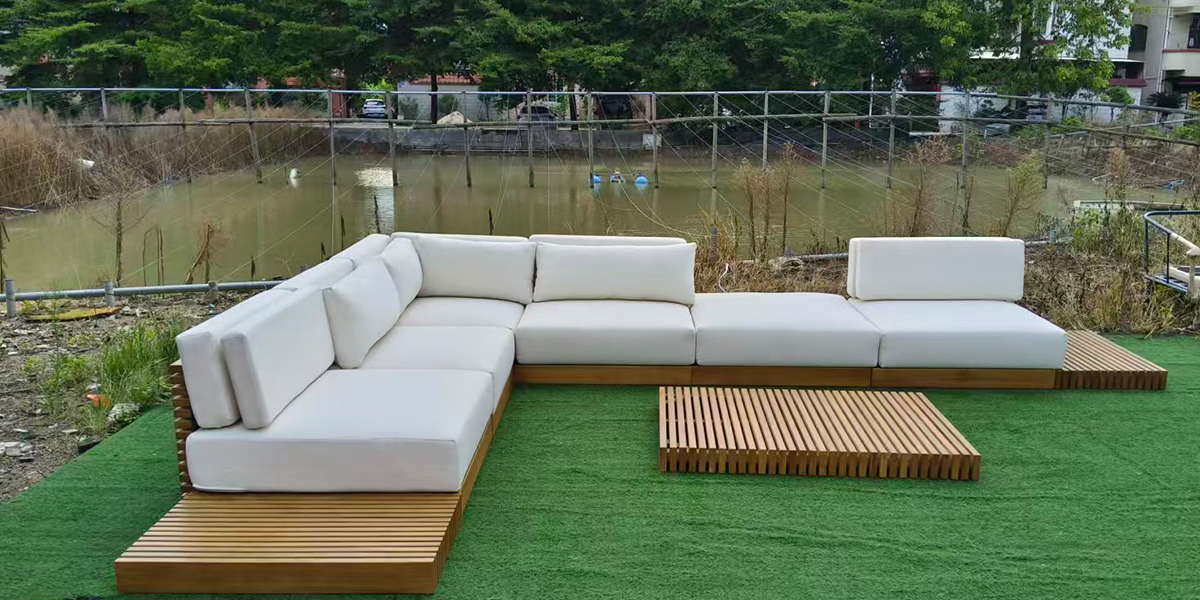
The reason for the timeline difference lies in the very nature of the raw materials.
Teak is a living, breathing natural material. Its journey from raw lumber to a stable, durable furniture component requires patience and respect for its biological properties.
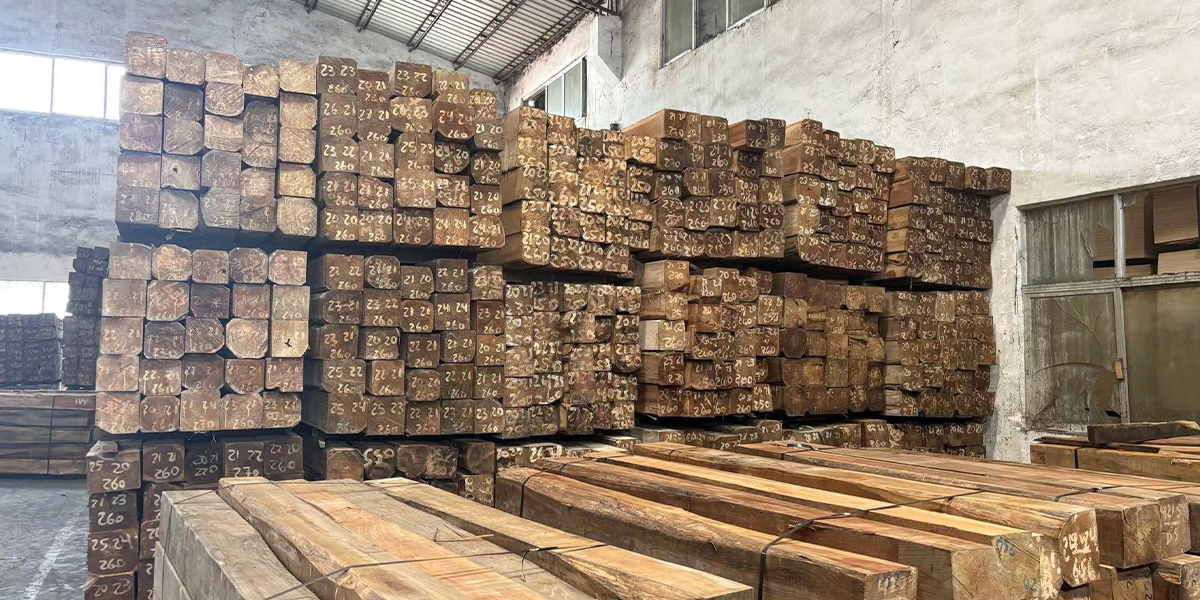
After sawing, the lumber must undergo a critical drying process—either 3 to 6 months of natural air-drying or 2 to 4 weeks of kiln-drying. This step is essential to stabilize the wood's moisture content to an optimal 8%-12% for outdoor use, preventing future warping or cracking.
The internal stresses within the wood need time to release through a period of stacked resting. Machining the wood immediately would result in an unstable structure prone to movement.
Each piece requires manual inspection and grading for grain pattern and color variation to ensure visual consistency in the final product. At Kingmake, we use FSC-certified Grade-A imported teak wood, which adheres to the highest standards of sustainability and quality, making this selection process even more meticulous.
Aluminum, in contrast, is an industrial material. The ISO 6063 aluminum tubes we use arrive at our factory with consistent, predictable properties. Their stability is engineered, not cultivated over time, allowing for a much faster startup in the manufacturing process.
A Comparative Look at the Production Processes
The Teak Furniture Production Process at Kingmake:
Our outdoor teak furniture, crafted from FSC-certified solid teak, follows a core process dedicated to ensuring durability and natural beauty.
Material Selection and Seasoning:
For years, we have meticulously selected only high-grade, Grade-A solid teak . We then employ a combination of natural air-drying and kiln-drying to stabilize the wood's moisture content to below 20%, a standard crucial for outdoor stability. That is why our partners, when visiting the factory for product inspection or to check the production progress, often see our teak wood "enjoying a spa treatment" on the rooftop.
Precision Machining and Forming:
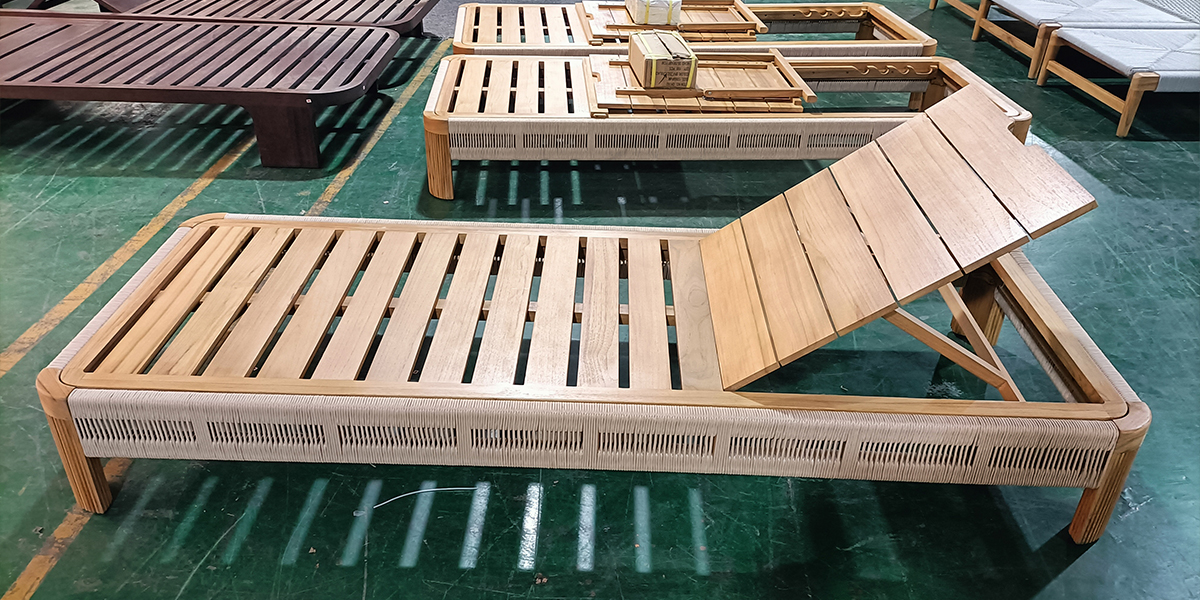
Based on our designs or client blueprints, the seasoned wood is precisely cut and shaped. We ensure structural integrity by employing traditional techniques like mortise and tenon joints, supplemented by modern hardware where appropriate.
Hand-Sanding and Surface Treatment:
Each component undergoes multiple stages of fine hand-sanding to achieve an exceptionally smooth finish. The core treatment involves applying a premium, penetrating finish like imported German Tiger professional wood wax. This enhances the wood's natural protective oils and maintains its inherent color and grain, unlike a surface-sealing paint that can peel.
Since the production process of teak products is relatively complicated, after the last painting process, it also need sufficient time to dry in the sun to achieve the best product effect. So the production time is also longer.
Assembly and Final Inspection:
All parts are assembled, and every joint is checked for strength and alignment. A final, rigorous inspection covers both aesthetics and craftsmanship quality.
Packing and Shipping:
All the furniture is covered by pearl foam inside and kraft paper outside before shipment.
The Aluminum Furniture Production Process:
Our aluminum furniture, made from ISO 6063 aluminum tube, follows a streamlined, industrial process:
Material Verification and Cutting:
We first verify the alloy and wall thickness of the aluminum tubes based on the intended use and client requirements. The tubes are then precisely cut according to our designers' drawings.
Forming and Processing:
Our craftsmen, with over 15 years of experience, shape the tubes through bending, punching, and other techniques to create the required frame components.
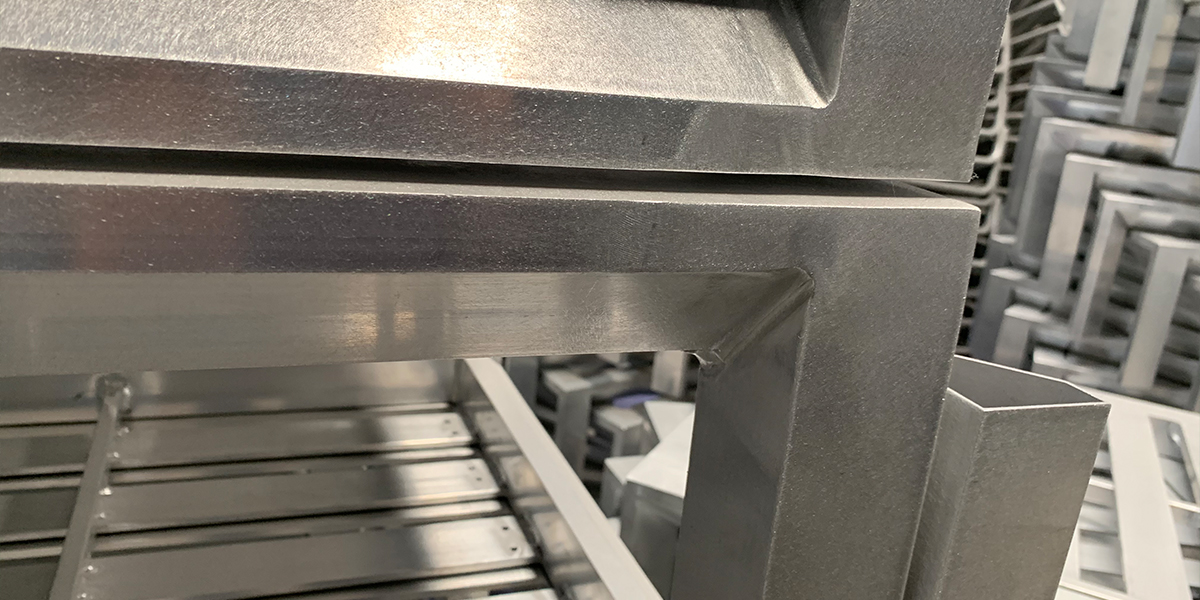
Welding and Grinding:
Frames are assembled using TIG welding (argon arc welding). Every weld is then meticulously ground down to ensure a smooth, seamless finish.
Surface Treatment (The Critical Phase):
We primarily use powder coating, which involves:
Pre-treatment: Degreasing, cleaning, and chromate conversion coating to enhance adhesion and corrosion resistance.
Electrostatic Spraying: Even application of outdoor-grade polyester powder.
High-Temperature Curing: Baking in an oven to melt and curing the powder, forming a tough, weather-resistant skin.
Assembly and Quality Control:
Additional elements like rattan weave, glass, or cushions are installed. A final test checks for strength, stability, and appearance.
Packing and Shipping:
It is the same, the aluminum furniture is covered by pearl foam inside and kraft paper outside.
Process Core Advantage: This aluminum process, especially the chromate pre-treatment and powder coating, guarantees outstanding corrosion resistance, UV protection, and long-term structural stability, perfectly suited for harsh outdoor environments.
Capacity and The Bottom Line
This brings us to the core of lead time differences: production rhythm and capacity.
The optimal production pace for solid wood furniture is controlled at 50-80 pieces per line per day. Steps like detailed hand-carving or sanding cannot be rushed without compromising quality.
Aluminum furniture, however, is suited for continuous assembly-line production, with a daily capacity reaching 200-300 pieces per line.
Professional Conclusion
The production cycle for teak furniture (typically 45-60 days) is fundamentally a process of "taming" a natural material. It requires respecting the biological characteristics of wood—its need to dry, settle, and be worked with careful hands. The cycle for aluminum furniture (15-25 days), on the other hand, showcases the efficient integration of industrial standardization.
This time difference is not an indicator of inefficiency. It is a necessary investment to ensure the value and longevity that allow teak furniture to be passed down through generations. For a high-end outdoor furniture brand like Kingmake, a longer, carefully managed production cycle is precisely a pledge of quality, a testament to our commitment to creating pieces that are not just purchased, but cherished for years to come.
We therefore suggest planning ahead. Please share your project needs with us early, allowing ample time for the careful craftsmanship required to create a durable and beautiful outdoor space for you.
 Whatsapp
 sales@cnkingmake.com
 +8613925925021