
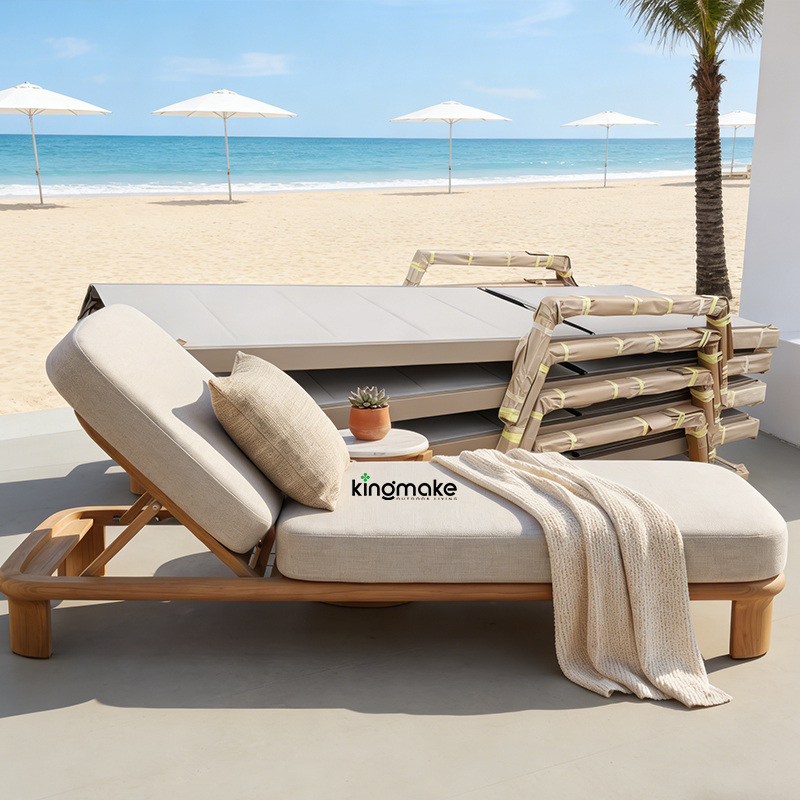
Stackable Vs Non-Stackable Loungers
A pool lounger looks simple, but in hotel operations it’s one of the most important pieces on the deck. It affects housekeeping speed, storage needs, guest comfort, and even how premium the pool area feels in photos.
The biggest decision usually comes down to one question: should you choose stackable loungers or non-stackable loungers? Both can perform well, but each fits a different type of property and pool program.
This guide breaks down the tradeoffs in a practical way, with a focus on U.S. hospitality use. You’ll get clear recommendations for pool decks, rooftops, and coastal locations, plus a buying checklist that prevents expensive mistakes.
What “Stackable” And “Non-Stackable” Really Mean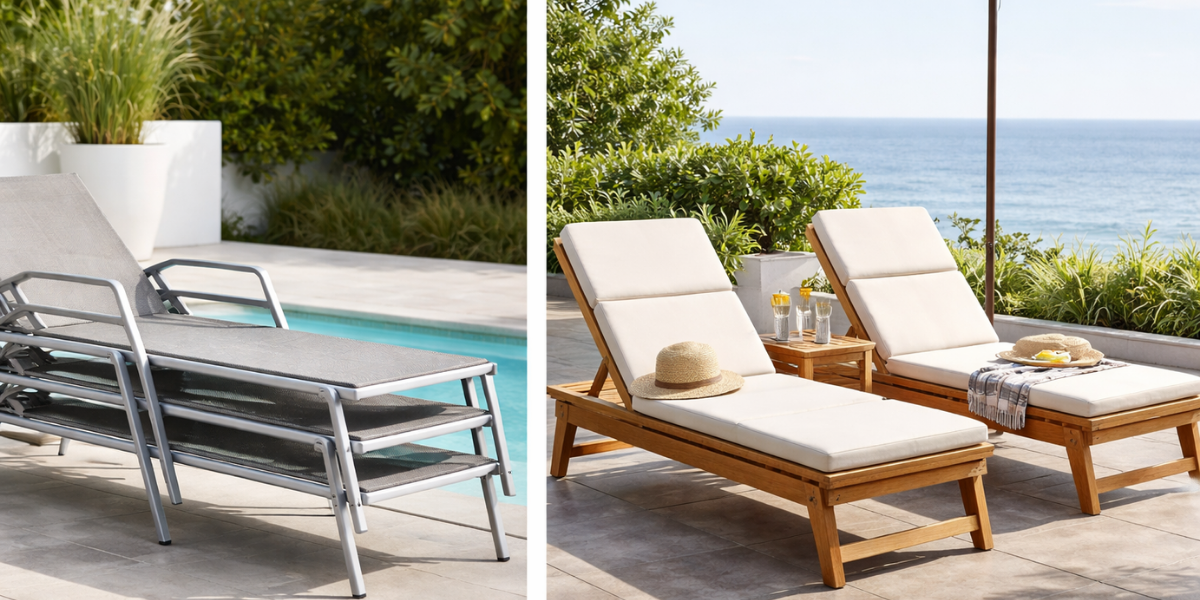
Hotels often use these terms loosely, which leads to confusion during purchasing. Before comparing comfort or price, define what you’re actually buying.
What Stackable Means In Commercial Loungers
A true stackable lounger is engineered to stack safely without damaging the frame. The contact points are designed so the load distributes evenly when multiple units are stacked.
In hospitality, stackability isn’t a “nice bonus.” It’s a system that impacts storage footprint, staff handling, and how fast you can clear a deck for storms or events.
What Non-Stackable Includes (And Why Hotels Choose It)
Non-stackable loungers include heavier frames, cushion-forward designs, and many premium looks such as teak-style profiles or thicker upholstery concepts.
These are often chosen for zones where the layout stays fixed and the goal is “set-and-stay” luxury. They can feel more substantial and visually elevated, but they require a better plan for storage and daily care.
Where Stackable Loungers Win In Hotel Operations
If your pool deck runs like a high-use amenity, stackable loungers often outperform simply because they reduce labor and complexity. This matters most in properties where staff need to move quickly.
Storage Efficiency Is The #1 Advantage
Seasonal storage, storm staging, and deck resets become easier when loungers stack. Instead of needing a large storage room for dozens of units, you can compact your inventory into a much smaller footprint.
This is a major advantage for U.S. hotels that have limited back-of-house space. It also helps when you need to clear the deck quickly for night cleaning or emergency weather.
Faster Cleaning And Safer Deck Maintenance
Many hotels deep-clean pool decks regularly, especially during peak season. Stackable loungers make it easier to clear sections of the deck, pressure wash, and put everything back in place.
A lighter, stackable frame also reduces staff strain. When the furniture is manageable, teams reposition more often, keep layouts aligned, and clean edges that get skipped when furniture is heavy.
Better For High-Turn Pool Programs
Some properties run a pool like a venue. Think day passes, towel service, frequent rearranging, or event setups around the pool bar.
In these settings, stackable loungers support flexibility. You can open up space for a group, a photo moment, or a weekend activation without turning it into a major labor project.
Where Non-Stackable Loungers Win On Guest Experience
Non-stackable loungers often earn their place by delivering a more premium feel. In the right zone, that “substantial comfort” can directly influence guest perception.
Stability And A More Substantial Feel
Many non-stackable loungers are heavier, and guests notice that immediately. The lounger feels planted, less likely to shift when someone sits down, and more stable at the edges of a busy deck.
That stability can be especially valuable on rooftops and breezy pool decks. Even when your team manages wind protocols well, weight reduces unwanted movement and helps the space feel calmer.
Cushion-Forward Comfort And Premium Visual Impact
A thicker cushion profile often signals “resort luxury.” Guests associate deep comfort with a higher-end property, especially when the seating looks consistent and well-maintained.
Non-stackable cushion loungers can also create stronger photo moments. In resort marketing, the pool deck is often the hero. Premium loungers support that brand story.
Permanent Placement Works Best On Large Decks
If your property has ample deck space and a consistent furniture plan, non-stackable loungers can look cleaner because you’re not constantly staging stacks or clearing inventory.
This works especially well when the seating stays in place, the layout is thoughtfully zoned, and the staff has enough storage and cover strategy to protect cushions properly.
The Tradeoffs Hotels Must Compare Before Choosing
This decision isn’t only comfort vs storage. The real comparison comes down to wind, maintenance workload, durability wear points, and total cost of ownership.
Wind And Safety In Coastal And Rooftop Spaces
Stackable loungers are often lighter, which can be a drawback in windy environments. If your property is coastal, elevated, or exposed, you need a plan to prevent movement.
That plan might include heavier stackable frames, smarter placement away from edges, or clear procedures for clearing the deck during wind spikes.
Non-stackable loungers can reduce movement risk because they’re heavier. But they are not “wind-proof.” High gusts can still cause issues, especially if cushions become sails in strong wind.
Durability Over Time: Where Each Type Fails First
Stackable loungers often wear at contact points. Stacking areas, feet, glides, and frame edges can show scratches faster if the design isn’t optimized.
Non-stackable loungers often face cushion-related wear first. Fabrics fade, seams stress, and moisture can become a problem if cushions aren’t handled correctly in humid climates.
In commercial use, durability is less about the “material label” and more about how the product is engineered for repeated handling.
Maintenance Workload: Sling Versus Cushions
Stackable loungers commonly use sling or mesh-style surfaces. These are fast to clean, quick to dry, and easy for housekeeping to manage.
Non-stackable loungers often rely on cushions, which can feel more luxurious but demand more attention. Cushions may need storage, covers, or daily adjustments to stay presentation-ready.
Total Cost Of Ownership (TCO), Not Just Unit Price
Hotels often compare loungers by unit price alone, then later discover the hidden cost is labor. If stackable loungers reduce daily handling time and speed up cleaning, they can save money every week.
Non-stackable loungers may justify their cost in premium zones because they elevate guest perception. But they require a cushion plan and storage plan, or the replacement cycle becomes expensive.
Which Lounger Type Fits Each Hotel Zone?
Most properties get the best outcome by mixing both types strategically. The key is matching each lounger style to the zone’s operational reality.
Main Pool Deck: High Volume, Daily Resets
This area is typically where stackable loungers shine. The main deck needs easy cleaning, efficient storage, and the ability to adjust layouts quickly.
A strong approach is to use mostly stackable loungers as the “core inventory,” then place premium, non-stackable options in a smaller section to create a visible upgrade tier.
Rooftop Pools: Wind Exposure And Limited Storage
Rooftops are often the hardest environment. Wind is stronger and more unpredictable, and storage space is usually limited.
Here, stability and safety matter more than anything. Many rooftop pools favor heavier frames, a tighter layout plan, and procedures for clearing the deck quickly when needed.
Coastal Resorts: Salt Air, Humidity, And Corrosion Risk
Coastal properties need corrosion-resistant frames and a disciplined maintenance routine. The best lounger type depends on your operations.
Stackable can work extremely well if you have storage and a quick “clear the deck” process. Non-stackable can work if you have an excellent cushion-care system and a consistent cover strategy.
VIP Seating And Reserved Zones: Comfort And Visual Luxury
If you offer reserved seating, this is where non-stackable loungers and premium setups make sense. Guests paying for an upgrade expect a substantial feel and a strong comfort profile.
Many resorts combine premium loungers with shade and side tables to create a complete “stay all day” zone. That zone often performs even better when paired with Outdoor Daybeds for true premium lounge seating.
Materials And Builds That Matter Most For Commercial Use
The same lounger type can perform very differently depending on construction. Hotels should focus on engineering and handling, not only aesthetics.
Powder-Coated Aluminum Frames
Powder-coated aluminum is a common hospitality standard because it balances strength, corrosion resistance, and manageable weight.
It’s also a strong match for stackable designs because it supports frequent movement and faster housekeeping workflows.
Sling / Textilene-Style Surfaces
Sling seating dries quickly and cleans easily. It’s often the practical choice for high-use pool decks where guests are in and out constantly.
Sling designs can still feel premium when engineered well. The comfort comes from tension, frame geometry, and how the lounger supports the backrest positions.
Cushions And Thick Upholstery Systems
Cushions create a luxury look and a softer first impression. But they demand more maintenance discipline, especially in coastal and humid regions.
If you choose cushions, plan storage and protection. A professional cover strategy keeps your investment looking new longer, especially when storms and seasonal downtime are part of your calendar.
Buying Checklist That Prevents Regret
Choosing the right lounger is easier when you ask the right questions up front. These are the questions that matter most in hotel procurement.
Stackability Specs You Should Confirm
Ask how many units can stack safely without damaging frames. A lounger that stacks “in theory” may scuff badly in real use.
Also confirm whether the design includes bumpers or protective contact points. These small details reduce visible wear and help your furniture stay presentation-ready.
Handling, Weight, And Safety
Ask about unit weight and whether staff can move loungers safely without strain. If units are too heavy, cleaning slows down and layouts drift over time.
Check the feet and glides as well. Good glides protect your deck surface and reduce noise and scuffing during repositioning.
Comfort Factors Guests Notice Fast
Confirm recline positions, backrest support, and whether arms are included in the design. Guests notice these details immediately, especially during longer lounging.
If you’re designing for mixed guests, consider a mix of “standard comfort” loungers plus a few premium pieces in a dedicated zone.
Warranty, Spare Parts, And Consistency
Hotels don’t just buy once. They expand, replace, and refresh. Confirm whether parts like slings, hardware, or cushions can be replaced.
Consistency matters too. You want to be able to reorder the same design for future phases without mismatched finishes.
Kingmake Recommendation For Hotels And Resorts
Choosing between stackable and non-stackable loungers works best when you start with your pool program, not just your style preference.
Kingmake Outdoor supports hospitality buyers with both operationally efficient lounger solutions and premium seating options, helping you balance storage constraints, cleaning speed, wind exposure, and guest comfort.
For most properties, the best strategy is a “core plus premium” mix. Use high-performing Sun Loungers as the main inventory for daily operations, then elevate selected zones with premium seating and shaded comfort.
Shade is a comfort multiplier, and it also reduces the fight for the best seats. Pairing loungers with commercial-grade Patio Umbrella solutions can increase guest satisfaction without overcrowding the deck.
FAQs
Are Stackable Loungers Less Comfortable?
Not automatically. Many stackable loungers use sling or mesh surfaces that feel supportive and dry quickly. Comfort depends on frame geometry, recline positions, and material quality.
How Many Loungers Can You Stack Safely?
It depends on the design. True commercial stackable loungers are engineered to stack without damaging the frame. Always confirm the safe stacking count and whether protective contact points are included.
What’s Best For Hotels: Stackable Or Non-Stackable Loungers?
Most hotels benefit from a mix. Stackable loungers work best for main pool decks and fast operations. Non-stackable loungers shine in premium zones where comfort and visual luxury matter most.
Are Non-Stackable Loungers Better In Windy Areas?
Heavier loungers can feel more stable, but every property still needs wind procedures. Placement, deck exposure, and staff protocols matter as much as weight.
Do Stackable Loungers Scratch When Stacked?
They can if the design isn’t optimized. Look for stackable loungers engineered with protective bumpers or safe contact points to reduce scuffing.
Should Hotels Choose Sling Or Cushion Loungers?
Sling is easier for housekeeping and dries quickly, making it ideal for high-use pool decks. Cushions feel more luxurious but require a stronger storage and care routine.
How Should Hotels Store Loungers In Off-Season Or Storms?
Stackable loungers simplify storage because they compress into a smaller footprint. Non-stackable loungers usually need more space and should be protected with a professional cover strategy to prevent moisture and wear.
Final Takeaway: Build A Lounger Mix That Matches Your Operations
Stackable loungers are often the best choice for speed, storage efficiency, and daily pool deck operations. Non-stackable loungers are often the best choice for premium comfort, visual impact, and fixed luxury zones.
The smartest hotel pools don’t treat it as an “either/or” decision. They build a deliberate mix: high-efficiency inventory for the main deck, premium seating for VIP zones, and shade planning that makes every seat feel more valuable.

 Whatsapp
 sales@cnkingmake.com
 +8613925925021