
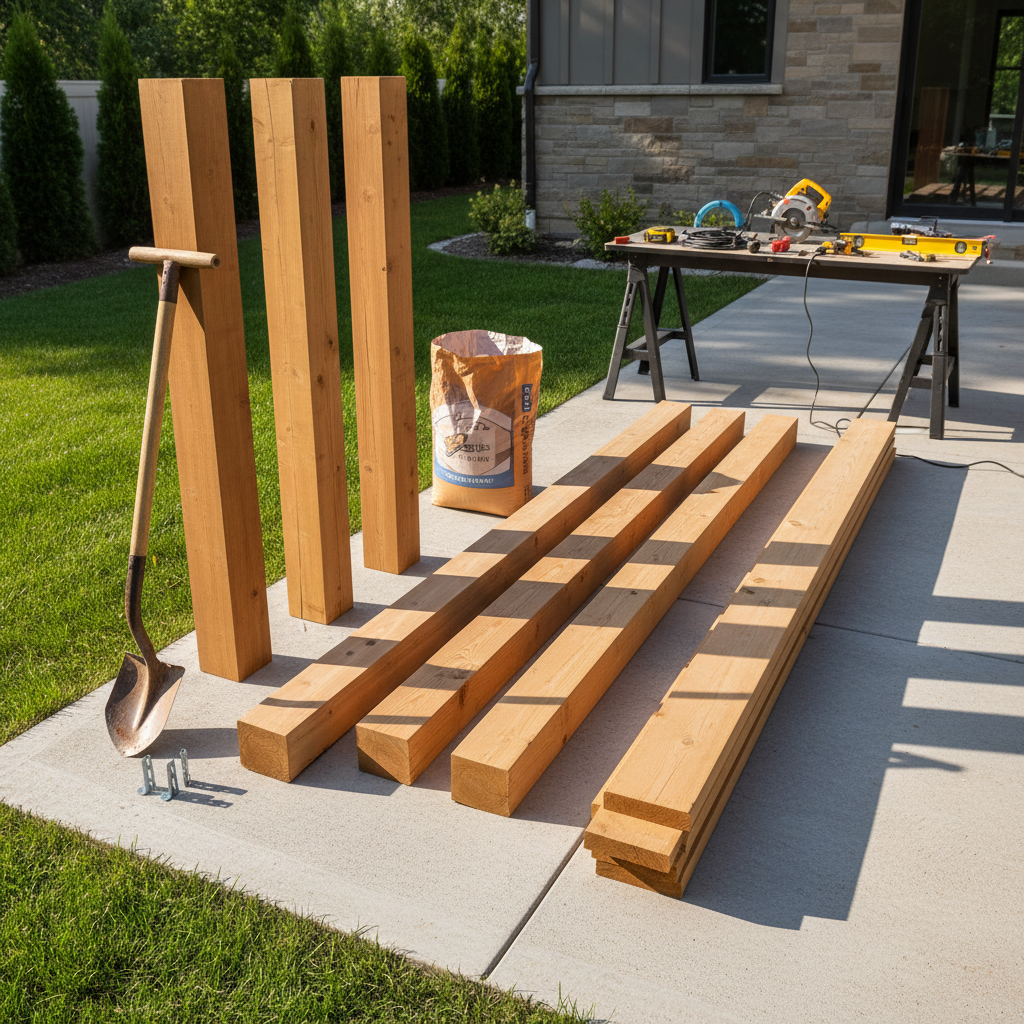
How to Build a Pergola: Step-by-Step Expert Guide for Backyards & Patios
Create Elegant Outdoor Spaces with Professional Grade Construction
Quick Summary / Key Takeaways
Choose weather-resistant materials. Durable options such as powder-coated aluminum or naturally rot-resistant cedar provide long service life and reliable performance in outdoor environments exposed to sun, rain, and humidity.
Build a stable foundation. Pergola posts should be anchored into proper concrete footings or reinforced slab anchors to prevent movement and maintain structural alignment over time, especially in windy areas or high-traffic outdoor spaces.
Plan the layout carefully. The pergola’s placement should consider sun direction, airflow, and surrounding architecture. This helps balance shade, comfort, and visual harmony whether the structure is freestanding in a garden or attached to a patio or building.
Use corrosion-resistant hardware. Stainless steel or galvanized fasteners and brackets help prevent rust stains and maintain a clean, professional finish that holds up in outdoor conditions.
Enhance the outdoor experience with thoughtful design. Features such as adjustable louvers, curtains, integrated lighting, or decorative beam details can transform a simple pergola into a comfortable outdoor room for dining, relaxing, or entertaining.
Introduction
Creating a refined outdoor environment involves more than placing furniture on a patio. A pergola adds structure, defines the space, and introduces architectural character that elevates the entire setting. Whether installed beside a pool, over an outdoor dining terrace, or within a garden lounge, a well-designed pergola provides filtered shade while maintaining an open and inviting atmosphere. When planned carefully, it becomes a natural focal point that enhances both comfort and visual appeal.
Building a pergola requires thoughtful planning, durable materials, and precise construction techniques. Builders typically begin by selecting weather-resistant materials such as naturally rot-resistant cedar or powder-coated aluminum, both known for long-term outdoor durability. Structural elements such as properly anchored posts, securely fastened beams, and correctly spaced rafters ensure the pergola remains stable through changing weather conditions. In hospitality spaces and modern homes alike, pergolas are often positioned as extensions of patios or terraces, creating seamless transitions between indoor and outdoor living areas.
This guide walks through the essential steps of how to build a pergola, from planning and material selection to foundation preparation and roof structure construction. Each section focuses on practical techniques that help ensure durability, shade performance, and lasting visual appeal. For projects that require professionally engineered pergola systems, customizable aluminum structures, or large-scale outdoor installations, Kingmake outdoor provides solutions designed for hospitality spaces, resorts, and villas worldwide.
Pergola Material Comparison for Durability and Weather Resistance
| Material Type | Durability Rating | Maintenance Level | Typical Applications |
|---|---|---|---|
| Western Red Cedar | High | Moderate | Garden pergolas, backyard patios, natural landscape settings |
| Powder-Coated Aluminum | Very High | Low | Poolside lounges, rooftop terraces, modern hospitality spaces |
| Pressure-Treated Wood | Moderate | High | Budget-conscious backyard pergolas and DIY patio projects |
| Structural Steel | Very High | Low to Moderate | Large commercial pergolas, rooftop installations, architectural structures |
Typical Pergola Construction Timeline and Project Phases
| Project Phase | Key Tasks | Typical Duration | Professional Tip |
|---|---|---|---|
| Planning and Design | Site measurement, layout planning, permit checks | 1–2 Weeks | Confirm local building codes and setback requirements before construction |
| Foundation Installation | Digging post holes, setting anchors, pouring concrete footings | 3–5 Days | Allow concrete footings to cure fully before attaching structural posts |
| Frame Assembly | Installing posts, beams, rafters, or roof system | 2–4 Days | Use a laser or string line to keep beams level and properly aligned |
| Finishing and Features | Sealing wood, installing lighting or curtains | 1–2 Days | Complete finishing work during dry weather for best results |
Pergola Project Preparation Checklist Before Construction
Locate underground utilities before digging. Always verify the position of electrical lines, water pipes, gas lines, or drainage systems before excavating post holes. This prevents costly damage and ensures safe construction.
Confirm permits and local building requirements. Many municipalities or homeowner associations require approval for outdoor structures such as pergolas. Checking local codes early helps avoid delays or compliance issues during construction.
Prepare all materials and hardware in advance. Order structural lumber, aluminum components, anchors, and corrosion-resistant fasteners ahead of time to maintain consistency across the entire structure.
Evaluate the site conditions carefully. Ensure the installation area is level and provides proper drainage so water does not collect around the pergola posts or foundation.
Pergola Maintenance Checklist After Installation
Recheck structural fasteners after initial exposure. Inspect bolts, anchors, and connectors about one month after installation to confirm they remain tight after the structure settles and experiences weather conditions.
Protect wood structures with periodic sealing. Apply a high-quality UV-resistant sealant to cedar or other wood pergolas every two to three years to maintain color and help prevent weathering.
Keep the roof structure clear of debris. Remove leaves, dirt, or standing moisture from rafters or louvers to reduce the risk of mold growth or wood deterioration.
Perform an annual structural inspection. Check that posts remain plumb, beams stay level, and anchors remain secure to ensure the pergola continues to perform safely and reliably over time.
Table of Contents
Section 1: PERGOLA PROJECT PLANNING AND DESIGN
Section 2: CHOOSING THE BEST MATERIALS FOR A PERGOLA
Section 3: PERGOLA FOUNDATION AND POST INSTALLATION
Section 4: PERGOLA FRAME AND ROOF STRUCTURE CONSTRUCTION
Frequently Asked Questions
Section 1: PERGOLA PROJECT PLANNING AND DESIGN
FAQ 1: What are the first steps in planning a pergola project?
The first step in planning a pergola project is conducting a careful site assessment. Evaluate how sunlight moves across the space throughout the day, identify prevailing wind exposure, and consider how people will move through the area. Measure the intended footprint and height of the structure to ensure the pergola complements the surrounding patio, garden, or outdoor dining space without overpowering it. It is also important to review local zoning rules, setback requirements, or building permits, especially for permanent outdoor structures.
Once the site conditions and regulations are clear, the next step is selecting the right pergola design and materials for the environment. Many modern pergolas use powder-coated aluminum frames for corrosion resistance and minimal maintenance, while wood options such as cedar or teak offer a natural architectural look. Design choices may include freestanding or attached configurations, along with optional features like adjustable louvered roofs, curtains, or integrated lighting to improve shade, ventilation, and overall comfort.
FAQ 2: How do I choose between a freestanding or attached design?
The choice between a freestanding pergola and an attached pergola depends on how the outdoor space is intended to function. An attached pergola connects directly to the building and extends the usable living area outdoors. This configuration works well for patios, restaurant terraces, and resort dining areas where guests move naturally between interior and exterior spaces. Because the structure ties into the building, the beam system must be securely anchored to the wall framing to ensure long-term structural stability.
A freestanding pergola creates a defined outdoor destination within the landscape. This style is commonly used for poolside lounges, garden seating areas, or shaded resort cabanas where the structure acts as a focal point. Modern pergolas built with powder-coated aluminum frames and adjustable louvered roofs provide reliable weather resistance while allowing operators to control sunlight and airflow throughout the day. Curtains or lighting can also be integrated to transform the pergola into a comfortable outdoor room suitable for dining, relaxing, or entertaining.
Section 2: CHOOSING THE BEST MATERIALS FOR A PERGOLA
FAQ 3: Which wood species are best for long-term outdoor durability?
Wood species with natural resistance to moisture, rot, and insects perform best for outdoor pergola construction. Western Red Cedar is widely used because it is lightweight, stable, and naturally resistant to decay, which makes it easier to work with during installation. Ipe, a dense tropical hardwood, offers exceptional durability and can last several decades when properly installed and maintained. Both materials perform well outdoors, but their long-term appearance depends on periodic care such as cleaning and oiling to protect the surface from sun exposure.
For pergola projects that require strong weather resistance with minimal maintenance, many modern designs use powder-coated aluminum frames instead of wood. Aluminum structures resist corrosion, moisture, and UV exposure without requiring staining or sealing, which makes them particularly practical for patios, rooftop terraces, and resort landscapes. Both cedar and teak provide a warm natural look, while aluminum pergolas offer long-term durability and consistent performance in demanding outdoor environments.
FAQ 4: Why is aluminum becoming a popular choice for commercial pergolas?
Aluminum has become a preferred material for commercial pergolas because it combines long-term durability with very low maintenance. Powder-coated aluminum frames resist rust, moisture, and UV exposure, which allows the structure to perform reliably in environments such as rooftop terraces, resort patios, and poolside lounges. Unlike wood, aluminum will not warp, crack, or require seasonal sealing. The material is also lighter than steel, making installation more manageable while still providing strong structural support for outdoor shade systems.
Modern aluminum pergolas also support advanced design features such as adjustable louvered roofs, integrated lighting, and privacy curtains, which allow operators to control sunlight, airflow, and shade throughout the day. These systems transform a patio or garden into a comfortable outdoor room that can adapt to changing weather conditions. With corrosion-resistant powder-coated finishes and customizable configurations, aluminum pergolas provide a dependable solution for hospitality spaces that require both architectural style and long-term performance.
Section 3: PERGOLA FOUNDATION AND POST INSTALLATION
FAQ 5: How deep should post holes be for a stable structure?
For most pergola installations, post holes should be dug to a depth of at least one-third the total height of the post or below the local frost line. In many regions this means digging approximately 24 to 36 inches deep, depending on soil conditions and climate. The hole should also be wide enough to allow a stable concrete footing, typically two to three times the width of the post, which helps anchor the structure securely. Proper depth and footing are essential for maintaining stability during wind exposure and seasonal ground movement.
This foundation step is especially important when supporting larger pergola frames, including aluminum structures used for patios, garden lounges, or outdoor dining areas. A solid footing allows the pergola’s beams and roof system to remain level over time, ensuring the structure performs reliably while defining a comfortable shaded space.
FAQ 6: Can I install a pergola on an existing concrete patio?
Yes, a pergola can be installed on an existing concrete patio if the slab is structurally sound and thick enough to support the anchors and frame loads. Most residential concrete patios are about 4 inches thick, which can accommodate pergola posts secured with heavy-duty masonry anchors or post brackets for smaller or medium-sized structures. Before installation, inspect the slab for cracks, shifting, or signs of settlement to ensure it can provide a stable base.
For larger pergolas or installations in high-wind areas, deeper structural support may be required. In those cases, sections of the concrete can be cut and dedicated concrete footings poured below the slab to anchor the posts securely. This approach is often recommended for commercial pergolas with aluminum frames, adjustable louvered roofs, or additional features such as curtains and lighting, where long-term stability and precise alignment are essential.
Section 4: PERGOLA FRAME AND ROOF STRUCTURE CONSTRUCTION
FAQ 7: What is the best way to secure beams to the support posts?
The most reliable way to secure pergola beams is to allow the beam to sit directly on top of the support post, rather than relying only on bolts to hold the load. In traditional wood pergola construction, builders often notch the top of the post so the beam rests firmly on the post shoulder. This approach transfers the structural load straight down the post, improving stability and reducing stress on the hardware. The beam is then fastened using galvanized or stainless steel carriage bolts with washers and nuts, which provide corrosion resistance and long-term strength for outdoor structures.
In modern pergola systems, especially those built with powder-coated aluminum frames, the connection is typically engineered through precision brackets or integrated beam channels that distribute the load evenly across the structure. These systems are designed for consistent alignment and structural reliability while supporting additional elements such as adjustable louvered roofs or curtain systems. Whether using wood joinery or engineered aluminum connections, the goal is the same: a stable beam-to-post connection that keeps the pergola strong and visually refined.
FAQ 8: How do I ensure the rafters are spaced correctly for shade?
Rafter spacing controls how much sunlight filters through a pergola. In most pergola designs, rafters are spaced 12 to 16 inches on center, which creates a balanced mix of shade and airflow. Closer spacing increases shade coverage, while wider spacing allows more light to pass through. The ideal layout often depends on the direction of the sun and how the space will be used throughout the day, whether for dining areas, poolside seating, or garden lounges.
Additional elements such as purlins or shade slats installed above the rafters can further increase shade without making the structure feel heavy. Modern pergolas with adjustable louvered roofs take this concept further by allowing users to control sunlight and ventilation throughout the day. These systems create a more adaptable outdoor room, especially for patios, resort terraces, or restaurant seating areas where comfort and flexibility are important

 Whatsapp
 sales@cnkingmake.com
 +8613925925021