
Commercial Outdoor Kitchen Design Trends for 2026
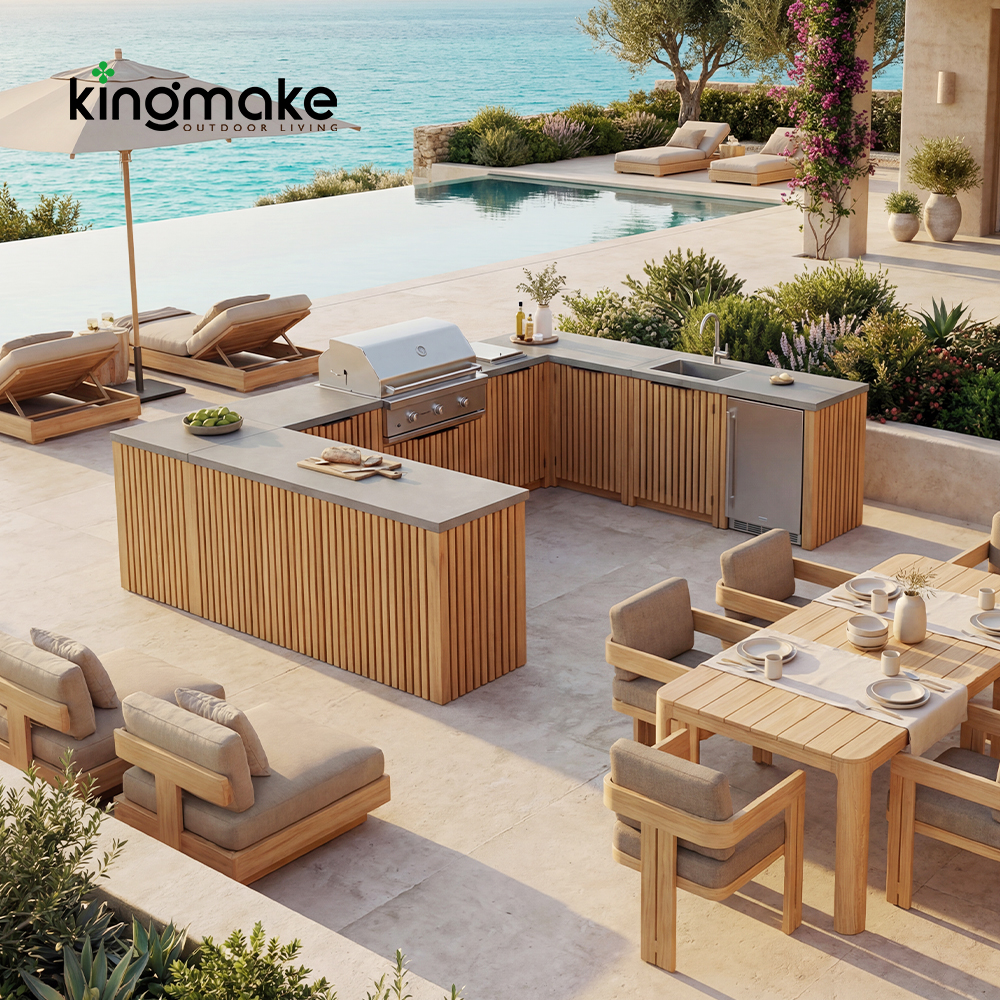
Outdoor kitchens have officially moved from “nice-to-have” amenities to high-impact hospitality assets. In 2026, hotels, resorts, rooftop lounges, and commercial venues are treating outdoor kitchens as revenue-ready guest experiences designed to serve, perform, photograph well, and stay durable under real-world conditions. If you’re planning a new build or upgrading an existing patio, pool deck, or event terrace, the goal is no longer just “add a grill.” The goal is to create an outdoor kitchen that works like a professional station, feels like an outdoor living room, and supports the way guests actually use spaces in 2026: longer stays, more social moments, more F&B interaction, and more shareable design. Below are the top commercial outdoor kitchen design trends for 2026 written for U.S. hospitality decision-makers who care about guest experience, operations, and long-term durability. The biggest shift isn’t a single material or appliance. It’s the role of the outdoor kitchen itself. In 2026, commercial outdoor kitchens are being designed as “destination zones” that keep guests onsite, increase dwell time, and make service smoother. That means layouts are more integrated, storage is more intentional, and the overall aesthetic matches the property’s brand standard not an afterthought tucked into a corner. You’ll also notice a stronger push for year-round usability: better shade systems, lighting design that extends evening use, and materials that hold up in sun, salt, and high traffic. Outdoor kitchens are becoming complete hospitality hubs, with cooking, bar service, seating, and even lounge zones working together as one outdoor room. Instead of a single island with a grill, we’re seeing zones that include: A cook station for production A beverage station for fast service A serve-and-plate area for clean presentation A guest-facing bar ledge or counter seating Adjacent lounge seating that keeps guests nearby This matters because it turns an outdoor kitchen into something guests gather around, not something they pass by. For hotels, this hub approach supports poolside dining, rooftop small plates, live-cooking activations, and private events—without relying on constant back-and-forth to indoor BOH. Design cue for 2026: build it like a mini restaurant line, but make it feel like a luxury living space. Commercial patios and pool decks rarely serve just one purpose. A space that hosts breakfast service in the morning might be a social bar at sunset and a private buyout on the weekend. That’s why modular and flexible layouts are trending hard in 2026. Instead of one fixed island that can’t evolve, properties are choosing systems that can adapt: Modular cabinets that allow future expansion Islands designed with “appliance-ready” cutouts Replaceable panels and surfaces for easier updates Configurations that can extend into a bar line or service line during events Flexibility also improves operations. When you can reconfigure the space for staffing levels, guest volume, or seasonal programming, you reduce friction and increase revenue potential. If you want to keep your outdoor kitchen investment relevant for 5–10 years, modular planning is one of the smartest decisions you can make. “Smart” features are moving beyond novelty in 2026. In commercial outdoor kitchens, technology is being adopted when it improves consistency, monitoring, and the overall guest experience without adding complexity for staff. Outdoor-rated refrigeration is a critical point of failure in hospitality. Smart monitoring helps teams catch temperature swings early, reduce spoilage risk, and keep service running smoothly during busy shifts. Connected grills and cooking controls support more consistent results across multiple staff members and shifts. This is especially useful for properties that want predictable cook standards, tighter timing, and fewer “guesswork” variables during service. Instead of treating lighting as a simple on/off function, smart scene control allows venues to shift the outdoor kitchen mood from daytime service to evening ambience. It supports better guest comfort, stronger photography, and a more premium night-time atmosphere. For events and high-volume service, smart timers and workflow tools help teams stay organized, coordinate timing, and maintain quality—especially when the outdoor kitchen is running alongside indoor BOH operations. In 2026, more commercial outdoor kitchens are being built under coverage from day one. Covered kitchens improve usability, protect finishes, and extend service hours. The most common solutions include: Pergolas and fixed roof extensions Louvered roof systems that adjust for sun and rain Integrated guttering and drainage planning Built-in lighting and heater compatibility Coverage also impacts guest behavior. If guests know they can stay comfortable during high sun or light weather changes, they stay longer, order more, and rate the experience higher. For U.S. hotels in hot climates (and for rooftop venues where sun exposure is intense), coverage isn’t just comfort—it’s a design baseline. The 2026 outdoor kitchen is no longer a “grill-only” setup. Hotels and commercial venues are expanding their appliance mix to support menu variety and event programming. Popular 2026 additions include: Pizza ovens for live cooking and entertainment Smokers for signature menu items and aroma-driven experiences Flat-top cooking surfaces for speed and versatility Warming drawers and holding zones to support service pacing For hospitality, the right appliance mix depends on your concept. A pool bar might prioritize speed and beverage capacity, while a resort may prioritize experiential cooking and premium presentation. A useful rule: choose appliances that either increase throughput (faster service) or increase perceived value (guests see it, smell it, and remember it). In many 2026 commercial builds, the beverage station is becoming just as important as the cooking station because beverage is a high-margin category and speed matters. Instead of sending staff indoors for ice, mixers, or cold storage, more properties are designing a dedicated drink workflow right into the outdoor kitchen. Undercounter refrigeration built for outdoor conditions keeps bottled drinks, garnishes, and backup mixers within arm’s reach, so service stays fast even during peak pool hours. Dedicated ice solutions (and insulated storage nearby) reduce bar delays and keep the team from constantly running inside especially when the patio is full or an event is in progress. Prep drawers for mixers and garnishes, plus a clean prep surface, help staff move from order to delivery without clutter or improvising space on the main cook line. Where feasible, a small beverage sink improves speed and cleanliness for rinsing tools, washing hands, and keeping service moving without interrupting the cooking station. A bar ledge or pass-through counter encourages guests to order and stay, and it also creates a natural “handoff point” that improves flow during high-volume periods. Commercial outdoor kitchens operate in harsh conditions every day. They face strong UV exposure, heat swings, rain, pool chemicals, salt air near the coast, frequent spills, and constant guest traffic. That’s why 2026 designs are leaning toward materials that deliver a premium look while staying low-maintenance and reliable in real hospitality environments. The foundation of a commercial outdoor kitchen should be built to resist rust and long-term weather exposure. Hospitality buyers are increasingly favoring structural systems that won’t degrade quickly in humid, poolside, or coastal conditions, because frame failure leads to costly replacements and downtime. Even the best cabinetry can underperform if fasteners and fittings corrode. For 2026, more commercial builds are specifying corrosion-resistant hardware to protect doors, hinges, drawer systems, and accessory fittings especially in environments where salt and moisture are constant. Cabinet construction is becoming a focal point in outdoor kitchen design. Hotels and restaurants want cabinetry that holds its shape, closes cleanly, and maintains its finish after years of sun and rain. Durable, weatherproof finishes help preserve the “new look” longer and reduce ongoing touch-ups. High-traffic hospitality spaces require surfaces that clean quickly without specialized treatment. In 2026, designers are prioritizing counters and exterior panels that resist staining, wipe down fast, and stay visually consistent even after daily service. A kitchen may still function after years outdoors, but if it fades, chalks, or discolors, it can quietly degrade your property’s visual standard. That’s why UV stability is a growing priority—protecting color integrity and keeping outdoor areas photo-ready across seasons. This trend is especially important in coastal projects, where salt exposure can destroy weak materials quickly.If you’re planning outdoor zones beyond the kitchen, you can explore our Outdoor Kitchens category for coordinated hospitality-grade solutions here: /product-category/outdoor-kitchens/ 2026 design is blending two aesthetics that work very well for hospitality: Bold accents that photograph well Quiet luxury that feels refined and timeless You’ll see more projects using matte finishes, warmer neutrals, stone-look surfaces, and carefully selected hardware. At the same time, designers are integrating deeper tones—charcoal, dark green, and warm wood-effect looks—because they create contrast against pool blues and landscape greens. For hotels, the design goal is simple: outdoor kitchens should look like part of the property’s identity, not a separate equipment zone. A helpful approach is to match the outdoor kitchen finish to your core exterior palette then add contrast through lighting, bar seating, and textured surfaces. Lighting is one of the most overlooked parts of outdoor kitchen design, and it’s becoming one of the biggest differentiators in 2026. In hospitality, lighting is about more than visibility it supports safety and smooth guest movement, makes prep and service easier for staff, creates ambience that encourages longer stays, and delivers photo-ready scenes that look premium after sunset. The strongest commercial outdoor kitchens use a layered approach, combining focused task lighting over prep areas with softer ambient lighting around seating and bar ledges, plus accent lighting that highlights cabinetry, counters, and architectural details, and subtle path lighting that improves circulation and reduces trip risks. If your kitchen looks beautiful in daylight but falls flat at night, you lose a major portion of the space’s value; in 2026, outdoor kitchens are being designed to perform from late afternoon through evening programming, and lighting is what makes that possible. Luxury hospitality is leaning further into wellness and “stay longer” experiences. Outdoor kitchens are increasingly paired with adjacent features that create a complete resort zone, such as: Lounge seating that supports slow social time Fire features that keep guests onsite after sunset Outdoor dining zones designed for small groups Shaded relaxation zones that feel semi-private These add-ons matter because guests don’t want to move inside when the sun drops. If you can keep them outdoors, comfortable, and entertained, you increase overall spend and strengthen the guest experience. The U.S. market includes plenty of projects that aren’t massive resorts. Boutique hotels, rooftops, restaurant patios, and compact pool decks need outdoor kitchens that are simpler—but still commercial-grade. In 2026, “small” kitchens are being designed with better planning, not fewer features. A strong compact setup often includes: A linear wall layout with grill + prep + storage A dedicated beverage station with undercounter refrigeration A small bar ledge for guest interaction A cover-first approach to extend usability For small spaces, the most important design decision is workflow. Keep high-use components close together. Avoid forcing staff into long loops. Reduce steps, and you improve service speed. This is also where modular planning pays off. Build the core now, add specialty appliances later when the concept proves demand. Trends are exciting, but the basics determine whether your outdoor kitchen succeeds. A few commercial planning rules that consistently protect ROI: Start with utilities planning. Outdoor kitchens fail when gas, electric, water, and drainage aren’t planned early. Place kitchens close enough to service runs that you don’t create expensive infrastructure surprises. Design for airflow and heat. Covered kitchens need ventilation thinking. Don’t trap smoke under a roof. Plan clearance, airflow paths, and safe placement. Build a real service workflow. Think about staff movement, trash flow, storage access, and delivery routes. A beautiful kitchen that causes service friction will underperform. Plan for all-weather operation. Your finishes, storage design, and cover strategy should support real seasonal use—not just a perfect-weather marketing shoot. For U.S. hotels and commercial venues, the best 2026 outdoor kitchens combine four things: A hub-style layout that supports guest interaction Modular planning that adapts to events and future upgrades Weather-ready materials engineered for high traffic Lighting and coverage that extend usability into the evening If you’re also building out coordinated outdoor zones (pool seating, shade, and lounge areas), this pairs well with hospitality-grade umbrellas, loungers, and daybeds to create a unified, premium guest environment. 1) What’s the best layout for a small commercial outdoor kitchen? 2) How do you design an outdoor kitchen for year-round use? 3) What materials last longest in poolside or coastal environments? 4) What appliances are trending for 2026 outdoor kitchens? 5) Are smart outdoor kitchens worth it for hotels? 6) What lighting works best for commercial outdoor kitchens? 7) How do covered kitchens improve ROI?Outdoor Kitchens in 2026: What’s Actually Changing
Trend #1: The “All-in-One Hub” Outdoor Kitchen
Trend #2: Modular Kitchens Built for Events and Flexibility
Trend #3: Smart Outdoor Kitchens (But With Practical Hospitality Benefits)
Temperature Monitoring and Equipment Alerts
App-Controlled Cooking Systems
Lighting Scenes for Day-to-Night Use
Timers and Workflow Tools for Programming
Trend #4: Covered Kitchens Are Becoming Standard, Not Optional
Trend #5: Appliance Mix Expands Beyond the Grill
Trend #6: Beverage Stations Become a Core Plan Feature
Outdoor-Rated Cold Storage
Ice and Insulated Storage
Beverage Prep Built In
Water Access Where It Helps
Guest-Facing Service Ledges
Trend #7: Hospitality-Grade Materials That Lower Maintenance
Rust-Resistant Structural Frames
Corrosion-Resistant Hardware
Weatherproof Cabinetry With Durable Finishes
Easy-Clean Surfaces That Stay Guest-Ready
UV Stability for Long-Term Appearance
Trend #8: Bold Finishes + “Quiet Luxury” Design Language
Trend #9: Lighting Becomes a Design Feature, Not an Afterthought
Trend #10: Wellness + Resort-Style Add-Ons
Small and Simple Commercial Outdoor Kitchens (How to Win in Tight Spaces)
Planning Rules That Make or Break Commercial Builds
Kingmake’s 2026 Recommendation for Hospitality Outdoor Kitchens
FAQs: Commercial Outdoor Kitchen Design Trends for 2026
A linear layout often works best in tight spaces: grill + prep + undercounter refrigeration, with storage that keeps service fast and organized.
Start with coverage (pergola or louvered roof), then layer lighting and weatherproof cabinetry. Material durability and storage design are key for all-season performance.
Corrosion-resistant frames, weatherproof cabinetry, durable finishes, and hardware designed to handle moisture and salt exposure typically perform best.
Pizza ovens, smokers, and flat-top cooking surfaces are growing in popularity, especially when paired with full beverage stations.
They can be, when smart features support monitoring, consistent cooking results, and smoother operations—especially for multi-shift teams.
Layered lighting works best: task lighting for prep, ambient lighting for guest zones, and accent lighting for brand-level design impact.
Coverage increases usable hours, reduces weather disruption, and protects finishes and appliances—helping the space generate value longer each day and across more seasons.
Prioritize storage planning: dedicated zones for tools, trash, beverage prep, and supplies. Reduce steps and keep high-use items within easy reach.
 Whatsapp
 sales@cnkingmake.com
 +8613925925021