
Best Materials for Outdoor Chairs: Durability, Comfort, and Weather Resistance Explained
Professional Insights on Selecting Durable Commercial Patio Seating
Quick Summary / Key Takeaways
-
Powder-coated aluminum is one of the most reliable materials for outdoor chairs in coastal environments. Marine-grade aluminum resists salt-air corrosion and UV exposure while remaining lightweight enough for hospitality staff to reposition seating during service.
-
Grade A teak is widely considered the premium hardwood for outdoor furniture. Its natural oils and dense grain help repel moisture and insects, allowing the wood to perform well in humid or tropical climates while gradually developing a refined silver patina.
-
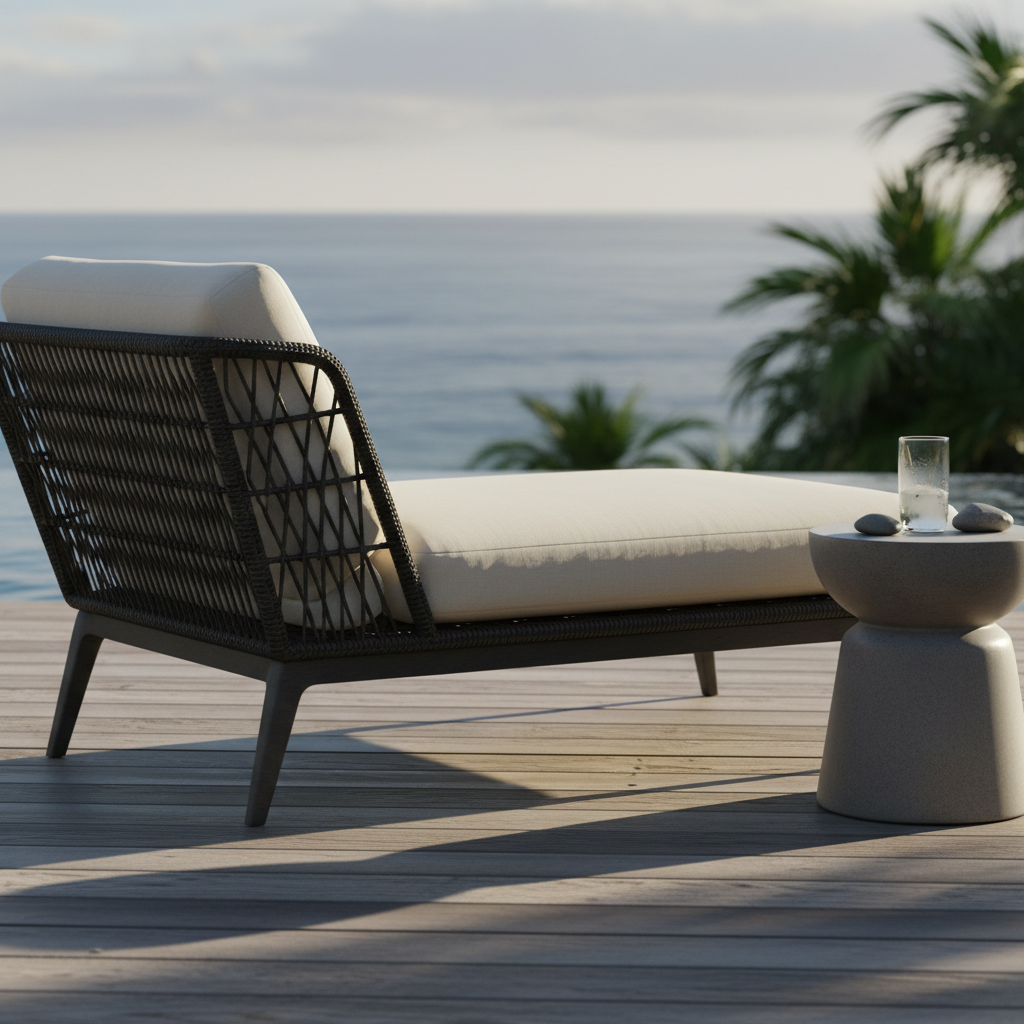
Synthetic polyethylene wicker (HDPE) performs far better than natural rattan in commercial outdoor settings. It resists UV exposure, moisture, and daily wear without becoming brittle, making it suitable for resort lounges, rooftop terraces, and poolside seating.
-
High-density polyethylene (HDPE) lumber offers a durable, low-maintenance alternative to traditional wood. It does not splinter, rot, or absorb moisture, which helps it maintain appearance and structural stability through temperature changes and frequent outdoor use.
-
Choosing the best material for outdoor chairs requires balancing durability, comfort, and maintenance requirements. Hospitality projects often combine corrosion-resistant metal frames, durable hardwood accents, and weather-resistant weaving to create seating that performs reliably in demanding outdoor environments.
Introduction
Selecting seating for a commercial patio, resort terrace, or outdoor dining space involves more than choosing a design that looks attractive in a catalog. Outdoor chairs must withstand constant guest turnover, changing weather conditions, and daily operational use. The best materials for outdoor chairs combine durability, comfort, and weather resistance while maintaining a refined appearance that enhances the atmosphere of the space. In hospitality environments where furniture is used every day, selecting the right materials helps ensure seating is crafted for comfort while maintaining the commercial strength needed for long-term use.
Different materials perform very differently outdoors. Powder-coated aluminum offers corrosion resistance and lightweight strength, making it suitable for coastal patios and busy restaurant terraces where chairs are moved frequently. Grade-A teak provides natural oils and dense grain that help resist moisture and insects while gradually developing a distinctive silver patina. Synthetic HDPE wicker and HDPE lumber add reliable weather resistance and low maintenance, allowing woven outdoor chairs to maintain their structure and color through sun, rain, and humidity. When thoughtfully designed, outdoor seating can transition seamlessly from poolside lounges to outdoor dining patios, delivering both visual appeal and dependable performance.
This guide explores the best materials for outdoor chairs, focusing on durability, comfort, and weather resistance for hospitality environments. You will learn how different materials perform in settings such as beachfront resorts, rooftop terraces, and restaurant patios. For projects that require outdoor seating designed specifically for hospitality and built to last, Kingmake Outdoor works with hotels, resorts, and restaurants around the world to create outdoor furniture that performs reliably while elevating every outdoor space.
Outdoor Chair Material Comparison: Durability, Maintenance, and Weather Resistance
| Material Type | Durability | Maintenance | Primary Benefit |
|---|---|---|---|
| Powder-Coated Aluminum | High | Low | Corrosion resistance and lightweight strength |
| Grade-A Teak | Very High | Moderate | Natural oils resist moisture and insects |
| HDPE Lumber | High | Very Low | Moisture-resistant and low-maintenance |
| Synthetic HDPE Wicker / Rope | Moderate–High | Low | Flexible comfort with strong weather resistance |
Outdoor Chair Materials: Cost, Lifespan, and Structural Characteristics
| Material | Typical Investment Level | Average Lifespan | Weight Profile |
|---|---|---|---|
| Powder-Coated Aluminum | Mid-Range | 10–15+ Years | Lightweight |
| Grade-A Teak | Premium | 20+ Years | Medium |
| HDPE Lumber | Mid-Range | 10–15 Years | Medium |
| Synthetic HDPE Wicker / Rope | Mid-Range | 5–10 Years | Lightweight |
Outdoor Chair Material Selection Checklist
-
Evaluate the local climate conditions such as coastal salt spray, high humidity, heavy rainfall, or intense sun exposure. These factors determine whether corrosion-resistant materials like powder-coated aluminum or moisture-resistant hardwoods such as Grade-A teak will perform best.
-
Evaluate the local climate conditions such as coastal salt spray, high humidity, heavy rainfall, or intense sun exposure. These factors determine whether corrosion-resistant materials like powder-coated aluminum or moisture-resistant hardwoods such as Grade-A teak will perform best.
-
Assess wind exposure and surface conditions to ensure the chair’s frame material provides the right balance of stability and mobility for terraces, pool decks, or beachfront dining areas.
-
Confirm commercial-grade construction standards, including durable frames, weather-resistant finishes, and materials suitable for continuous hospitality use.
Outdoor Chair Care and Longevity Checklist
-
Inspect chairs periodically for loose hardware, worn glides, or early signs of frame stress to maintain safety and long-term structural reliability.
-
Clean surfaces regularly with mild soap and water to remove salt, dust, sunscreen residue, and organic buildup that can affect finishes and woven materials.
-
Maintain hardwood components such as teak by cleaning the surface and applying a teak sealer only if preserving the original honey-gold tone is desired.
-
Protect furniture during extreme off-season weather by covering or storing chairs when possible, especially in regions with heavy storms, freezing temperatures, or prolonged inactivity.
Table of Contents
Section 1: METAL MATERIALS FOR OUTDOOR CHAIRS (STRENGTH AND WEATHER RESISTANCE)
Section 2: WOOD AND HDPE MATERIALS FOR OUTDOOR CHAIRS (NATURAL LOOK AND LONG-TERM DURABILITY)
Section 3: WICKER AND OUTDOOR FABRIC MATERIALS (COMFORT AND ALL-WEATHER PERFORMANCE)
Frequently Asked Questions
Section 1: METAL MATERIALS FOR OUTDOOR CHAIRS (STRENGTH AND WEATHER RESISTANCE)
FAQ 1: Why is powder-coated aluminum considered the best material for outdoor chairs in coastal environments?
Powder-coated aluminum is one of the most reliable materials for outdoor chairs in coastal environments because it resists corrosion caused by salt air, humidity, and intense sunlight. Marine-grade aluminum does not rust like traditional steel, and the powder-coating process adds a durable protective layer that improves UV resistance and prevents oxidation. This makes it particularly well suited for beachfront resorts, seaside restaurants, and rooftop terraces where furniture is exposed to moisture and coastal conditions throughout the year.
In hospitality settings, aluminum frames are valued for their balance of durability and practicality. They are lightweight enough for staff to reposition easily during daily service, yet structurally strong enough for continuous commercial use. Many modern outdoor chairs combine powder-coated aluminum frames with Grade-A teak armrests and woven rope or rattan detailing, creating seating that delivers lasting comfort, refined design, and dependable all-weather performance across coastal, urban, and tropical environments.
FAQ 2: Does stainless steel offer better durability than aluminum for high-traffic restaurant patios?
Stainless steel offers excellent structural strength and a refined appearance, making it suitable for premium restaurant patios and rooftop dining spaces. Grades such as 304 and 316 stainless steel are commonly used in outdoor furniture because they resist corrosion and handle constant guest turnover. The heavier weight of stainless steel frames also improves stability in windy environments, helping chairs remain firmly positioned on open terraces or coastal patios. However, stainless steel requires consistent maintenance. In humid or salt-air conditions, regular cleaning is needed to prevent tea-staining, a surface discoloration that can affect its polished finish.
Outdoor chairs built with powder-coated aluminum frames provide comparable durability with lower maintenance requirements. Marine-grade aluminum resists rust and oxidation naturally, and the powder-coated finish adds UV protection that helps maintain color and surface integrity over time. Many modern hospitality chairs combine aluminum frames with Grade-A teak armrests and woven rope or rattan detailing, creating seating that delivers long-term durability, comfortable ergonomics, and a refined appearance across busy restaurant patios, resort terraces, and beachfront dining areas.
FAQ 3: What are the main drawbacks of using wrought iron for commercial outdoor seating?
Wrought iron delivers a classic appearance and strong structural weight, but it presents several limitations in commercial outdoor environments. The material is highly susceptible to rust when the protective coating is damaged, especially in humid, coastal, or poolside locations. Even small paint chips can expose the metal underneath, allowing oxidation to develop quickly. Maintaining wrought iron chairs often requires regular sanding, repainting, and protective coatings to prevent corrosion and preserve a professional appearance. Its heavy weight can also make daily repositioning difficult for hospitality staff managing busy restaurant patios or resort terraces.
Modern hospitality seating increasingly relies on powder-coated aluminum frames that achieve a similar visual strength while eliminating the rust concerns associated with wrought iron. Aluminum frames resist corrosion naturally and remain lightweight enough for efficient service operations. When combined with Grade-A teak armrests and woven rope or rattan detailing, these chairs provide the durability, comfort, and refined appearance expected in high-traffic outdoor dining environments.
Section 2: WOOD AND HDPE MATERIALS FOR OUTDOOR CHAIRS (NATURAL LOOK AND LONG-TERM DURABILITY)
FAQ 4: How does Grade A teak compare to other hardwoods for long-term outdoor use?
Grade A teak is widely regarded as the benchmark for outdoor hardwoods because of its high natural oil content and dense grain structure. These properties allow the wood to repel moisture, resist rot, and remain stable even in humid or coastal climates. While many hardwoods can expand, crack, or warp over time, teak holds its shape and durability under prolonged exposure to sun and rain. As it ages, the surface gradually develops a soft silver patina, a natural finish that many designers appreciate in outdoor hospitality environments.
For outdoor chairs, teak is often used in areas that benefit from both durability and tactile comfort, such as armrests or accent elements. Sustainably sourced Grade-A teak provides a warm, refined feel while maintaining long-term structural integrity. This balance of natural resilience and elegant appearance makes teak a preferred material for patios, resort terraces, and outdoor dining spaces where furniture must perform reliably while enhancing the overall atmosphere.
FAQ 5: Is HDPE lumber a viable alternative to traditional wood for eco-conscious resorts?
HDPE lumber is a practical alternative to traditional wood for outdoor furniture in environments where low maintenance and long-term durability are priorities. Made from high-density polyethylene recycled plastics, this material resists moisture, insects, and salt exposure. Because the color runs through the entire material, small scratches are less visible. The surface does not splinter, crack, or require staining. These qualities make HDPE a dependable option for outdoor dining areas, poolside seating, and other hospitality spaces where furniture must maintain a consistent appearance despite frequent use and changing weather.
Many hospitality projects still prefer natural hardwoods such as Grade-A teak when the goal is to create a more refined outdoor atmosphere. Teak offers natural resistance to moisture and weather while providing a warm, comfortable surface that enhances resort terraces, garden patios, and beachfront restaurants. HDPE works well when durability and minimal upkeep are the priority, while teak remains a trusted choice when design, comfort, and natural character are essential.
FAQ 6: What maintenance is required to keep teak chairs looking new in a commercial setting?
Grade-A teak is valued in outdoor furniture because its natural oils protect the wood from moisture, insects, and decay, which keeps maintenance relatively simple in commercial settings. To maintain the original golden tone, the surface should be cleaned periodically with mild soap, water, and a soft brush to remove dirt and salt buildup. After cleaning, a quality teak sealer can be applied once a year if the goal is to preserve the warm honey color. This approach helps protect the surface and slows the natural weathering process that occurs in outdoor environments.
If the weathered look is preferred, sealing is not required. Teak naturally develops a silver-grey patina over time while maintaining its structural integrity. Routine cleaning is usually enough to keep the chairs looking professional across resort patios, rooftop terraces, and outdoor dining areas. Avoid pressure washers because high pressure can damage the wood fibers and shorten the lifespan of the surface finish.
FAQ 7: Can eucalyptus wood provide the same weather resistance as teak at a lower price?
Eucalyptus wood is often considered a cost-effective hardwood option for outdoor furniture because it contains natural oils that help the wood resist moisture and moderate weather exposure. When properly sealed and maintained, eucalyptus can perform well on garden patios, balconies, and casual outdoor dining areas. However, it typically requires more frequent oiling and surface care to prevent drying, surface checking, or fading when exposed to strong sunlight and changing weather conditions.
Teak remains the more durable hardwood for demanding hospitality environments. Its higher oil content and dense grain structure allow it to resist moisture, insects, and long-term outdoor exposure with minimal maintenance. For outdoor chairs used on resort terraces, beachfront patios, or high-traffic dining spaces, Grade-A teak provides greater longevity and stability, while eucalyptus serves as a practical mid-range material when budget considerations are a priority.
Section 3: WICKER AND OUTDOOR FABRIC MATERIALS (COMFORT AND ALL-WEATHER PERFORMANCE)
FAQ 8: What is the difference between natural rattan and high-quality synthetic wicker?
The key difference is that natural rattan is intended for indoor use, while high-quality synthetic wicker is engineered for outdoor durability. Natural rattan is a plant-based fiber that can become brittle, crack, or degrade when exposed to prolonged sun, rain, and humidity. Because of this, it struggles to maintain structural integrity in outdoor environments such as beachfront lounges, poolside patios, or open-air restaurants.
High-quality synthetic wicker made from high-density polyethylene (HDPE) is designed specifically for outdoor furniture. The material is UV-resistant, non-absorbent, and flexible, allowing the weave to maintain its shape and color even under continuous exposure to sun and moisture. In hospitality-grade outdoor chairs, HDPE wicker or rope weaving is often paired with powder-coated aluminum frames to deliver both long-term weather resistance and the relaxed woven aesthetic that suits resort terraces, rooftop lounges, and coastal dining spaces.
 Whatsapp
 sales@cnkingmake.com
 +8613925925021