
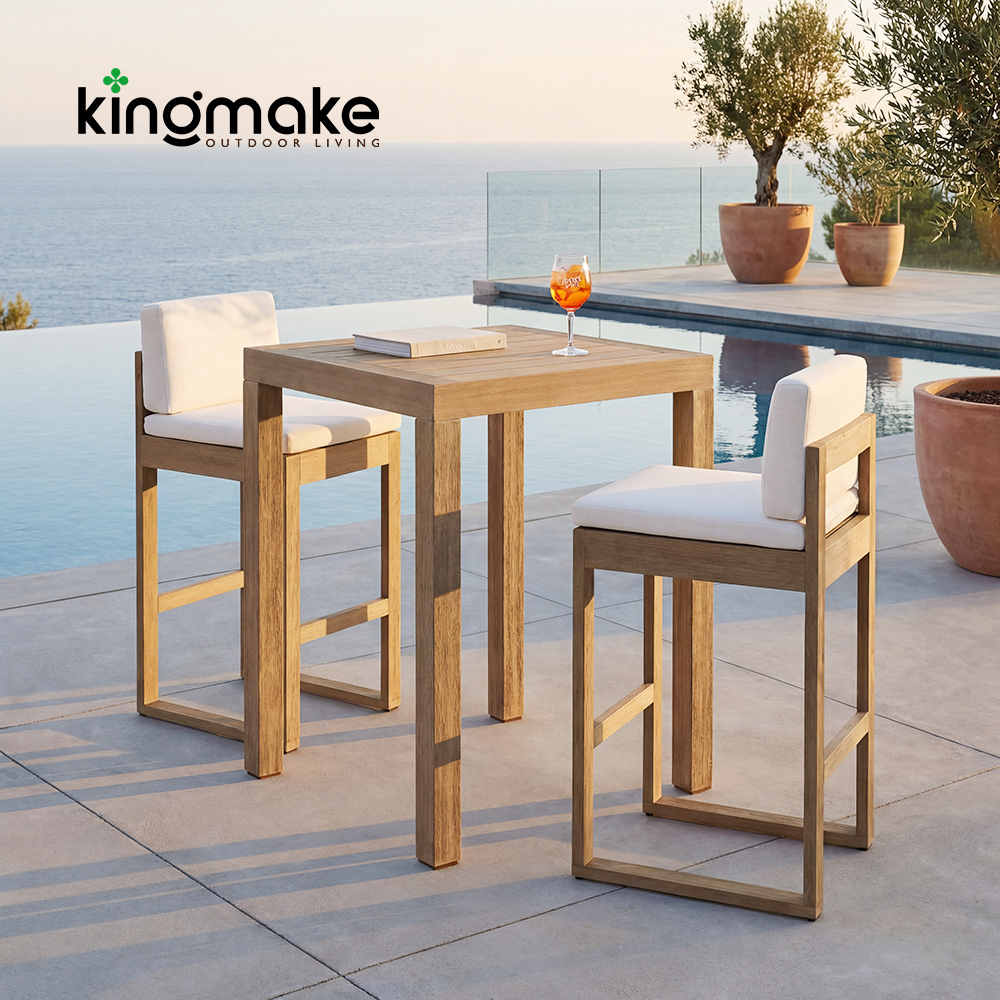
Bar Height vs Counter Height: Stool Sizes & Spacing Guide
If you’re planning a patio bar, an outdoor kitchen counter, a rooftop lounge, or a hospitality seating area, “bar height vs counter height” is one of those decisions that seems simple—until it’s wrong. When the surface height and stool height don’t match, guests feel it immediately: knees hit the underside, feet dangle, posture slouches, and people don’t stay long. In hotels and restaurants, comfort and flow directly affect dwell time, spending, and guest satisfaction. This guide explains the difference between counter height and bar height in practical dimensions, shows which stool sizes fit each, and helps you choose the right setup for real-world hospitality and outdoor spaces. Counter height is typically around 36 inches, offering a comfortable and casual seating option ideal for kitchens and dining areas. Bar height stands about 42 inches tall, creating a more elevated, social atmosphere perfect for bars and entertainment spaces. Counter height surfaces are designed to feel like everyday work and dining counters. In most U.S. projects, counter height is typically 34–36 inches tall. In feet, that’s about 2.8–3.0 ft. In centimeters, it’s about 86–91 cm. Because counter height sits closer to dining table height, it feels more accessible for a wide range of guests. It’s commonly used for outdoor kitchen counters, casual dining ledges, and multi-use areas where guests might eat, work, or socialize. Bar height surfaces are taller and feel more like a true bar experience. Bar height is typically 40–42 inches tall. In feet, that’s about 3.3–3.5 ft. In centimeters, about 102–107 cm. Bar height creates a higher, more social “high-top” vibe. It’s often chosen for entertainment zones, bar counters, pool bars, and spaces where you want guests to stand and mingle comfortably, with seating as an option. Counter height and bar height stools are designed for different surface heights, making the right choice essential for comfort and style. Understanding their size differences helps you select the perfect fit for your kitchen island, counter, or home bar setup. Counter height stools usually have a seat height in the range of 24–27 inches (about 61–69 cm). This gives most guests the right legroom under a 34–36 inch surface. Bar height stools typically have a seat height of 28–33 inches (about 71–84 cm). These are meant to pair with a 40–42 inch bar surface. Regardless of the exact stool, most people feel comfortable when there is about 8–12 inches of clearance between the stool seat and the underside of the countertop or bar top. If the gap is smaller, knees feel cramped. If the gap is larger, guests feel like they’re “reaching up” and sitting too low. This clearance rule is the fastest way to check if your surface and stool pairing makes sense—especially when you’re working with custom millwork or project-specific dimensions. Many projects end up with the wrong stools because someone mixes “table height” and “counter height.” A standard dining table is usually around 28–30 inches high. Dining chairs are matched to that lower height so guests sit naturally with feet supported and elbows comfortable at table level. Counter height sits above standard table height and typically uses taller stools rather than dining chairs. Bar height sits higher than counter height and uses taller stools again. When someone buys bar stools for a counter height surface, the seats end up too tall—knees hit the counter, posture feels compressed, and guests can’t sit comfortably. When someone uses counter height stools at a bar height surface, guests sit too low and feel like they’re eating at their chin level. The best height depends on what you want the space to do. This decision is less about style and more about function and guest behavior. Counter height works best when the surface serves multiple roles. It’s a strong choice for outdoor kitchen islands, casual dining ledges, and patios where guests may eat, work on a laptop, or sit for longer periods. Counter height is also more accessible. It’s generally easier for kids, older guests, and people with mobility considerations to sit down and stand up from counter height stools compared to taller bar height seating. For mixed-use hospitality spaces, counter height often feels more welcoming. Another advantage is visual balance. Counter height tends to fit better with adjacent dining furniture and lounge layouts, especially if your space includes outdoor dining sets or mixed seating zones. Bar height is built for mingling. The higher surface encourages a “gathering” atmosphere where some people sit and others stand. This is why bar height works well for pool bars, rooftop counters, event terraces, and outdoor bar setups where you want energy and movement. Bar height can also act as a visual divider. In some open layouts, a taller bar top subtly separates the service/prep side from the guest side, making the space feel more organised. The main tradeoff is accessibility. Bar height seating can feel less friendly for guests who prefer easier entry and exit. If your audience includes a wide age range, consider mixing heights across zones rather than forcing one height everywhere. A perfectly sized bar top can still feel uncomfortable if stools are packed too tightly. A common planning baseline is about 24 inches of width per stool. That spacing allows guests to sit without bumping elbows and gives servers room to move behind them in tight hospitality layouts. If stools have arms, wide seats, or swivel mechanisms, spacing often needs to be wider. The goal is to prevent “chair conflict,” where guests shift and repeatedly bump into each other. In outdoor environments, where guests may also have bags, towels, or personal items, giving a little extra space often improves comfort dramatically. Hospitality bars need a clear lane behind seated guests. If someone sits down and blocks a walkway, service slows and the area feels chaotic. This is especially important at pool bars and rooftop lounges where traffic is constant. A simple test: if a guest can slide their stool back and stand up without blocking the main flow, your spacing is likely good. If standing up disrupts the entire pathway, your layout needs more clearance. Even with the right stool height, guests won’t be comfortable if there isn’t enough overhang under the counter. Overhang gives knees somewhere to go and prevents guests from sitting too far away from the surface. It’s a small design detail with a big comfort impact. Counter height: 34–36 inches Bar height: 40–42 inches Counter height: 2.8–3.0 ft Bar height: 3.3–3.5 ft Counter height: 86–91 cm Bar height: 102–107 cm These ranges cover most U.S. projects and align with the stool seat heights listed earlier. “Pub height” and “bar height” are often used interchangeably. In many product listings, pub tables and bar tables sit in the same range as bar height surfaces. The safest approach is not to rely on the label—rely on the measurement. If a product is called “pub height,” confirm the surface height in inches or centimeters before choosing stools. In commercial projects, clarity prevents expensive mismatches. Outdoor environments create comfort challenges that indoor spaces don’t. Taller seating can feel less stable if stools wobble. On rooftops, coastal patios, and open pool decks, stability matters. A secure base, proper glides, and durable construction become more important as height increases. Outdoor bar setups can become “too hot to use” in direct sun. Shade planning is part of height planning. If guests are seated at a bar height counter with full sun exposure, they won’t stay long. In many hospitality designs, adding shade above the bar zone improves dwell time and increases F&B sales. At bar height especially, footrests matter. Without a comfortable footrest, guests feel suspended and shift posture constantly. For commercial use, choosing stools with integrated footrests and a stable frame is a practical comfort upgrade. This usually creates mismatches. Lock the surface height first, then choose stools that provide the right clearance and comfort. If you already have stools, measure the seat height and design the counter accordingly. This is one of the most common errors. Bar stools at a counter height surface are typically too tall and uncomfortable. If you have a counter height island, use counter height stools. Armed and swivel stools need more space. If you plan tight spacing, choose armless stools or more compact designs to avoid crowding. Kingmake Outdoor is a Foshan, China–based one-stop manufacturer supplying hospitality-grade outdoor furniture to hotels, resorts, restaurants, distributors, and project contractors across the U.S. and worldwide. We help buyers plan outdoor bars, rooftop lounges, and poolside seating zones with the right dimensions and product fit—from selecting the correct bar-height or counter-height seating to delivering durable outdoor bar stools built for high traffic and all-weather use. If you’re designing a complete entertainment area, we can also support cohesive layouts with matching dining sets, umbrellas, and other outdoor furniture categories so the entire space feels consistent, premium, and operationally practical. Choosing between bar height and counter height is about designing the right experience. Counter height supports all-day use and accessibility. Bar height creates a social high-top vibe and works well for entertainment-driven spaces. The key is matching surface height, stool height, spacing, and clearance so guests feel comfortable immediately. Counter height is typically 34–36 inches, while bar height is typically 40–42 inches. The stool seat height changes accordingly. Counter height stools are usually 24–27 inches tall at the seat, designed for a 34–36 inch counter. Bar stools are typically 28–33 inches tall at the seat, designed for a 40–42 inch bar. Aim for about 8–12 inches of clearance for comfortable legroom. A common starting point is about 24 inches per stool, adjusting wider for stools with arms or swivel designs. Usually no. Bar stools are typically too tall for counter height surfaces and will feel cramped. Bar height is usually around 102–107 cm. Counter height is usually around 86–91 cm. It depends on stool width, but many layouts allow about three stools comfortably at 24 inches per seat.Counter Height vs Bar Height
Counter height explained
Bar height explained
Counter Height vs Bar Height Stools: What Fits What?
What height is counter height stools?
What height is bar height stools?
The most important comfort rule: seat-to-counter clearance
Table Height vs Counter Height vs Bar Height
Standard table height
Counter height
Bar height
How to Choose: Counter Height vs Bar Height by Use Case
Choose counter height when you want an all-day, flexible setup
Choose bar height when you want a more social, entertainment-driven vibe
Spacing Rules Hotels and Restaurants Use
How far apart should bar stools be?
Don’t forget traffic behind stools
Overhang and knee clearance matters more than people realise
Bar Height vs Counter Height in Inches, Feet, and CM (Quick Reference)
Bar height vs counter height guide in inches
Bar height vs counter height guide in feet
Standard bar height in cm and standard kitchen counter height in cm
Pub Height vs Bar Height: Are They Different?
Outdoor and Hospitality Considerations (Where Height Choices Change)
Wind and wobble
Heat and sun exposure
Footrests and comfort upgrades
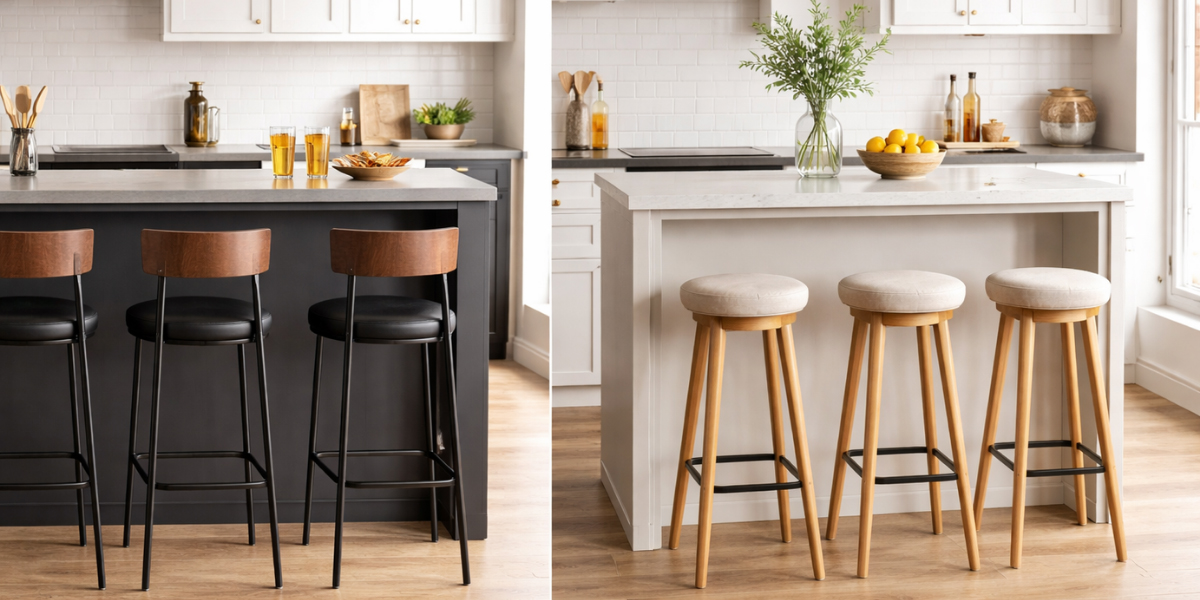
Common Mistakes (And Quick Fixes)
Buying stools first, then building the counter
Mixing bar stools with counter height tops
Underestimating spacing for arms and swivel
Why Choose Kingmake Outdoor
Final Thoughts
FAQs: Bar Height vs Counter Height
What’s the difference between bar height and counter height?
What height is counter height stools?
What height is bar height stools?
How much space should be between the stool seat and counter?
How far apart should counter height vs bar height stools be spaced?
Can I use bar stools at a counter height island?
What is the standard bar height in cm?
What is the standard kitchen counter height in cm?
How many stools fit on a 6 ft counter?

 Whatsapp
 sales@cnkingmake.com
 +8613925925021